Zendaya Governors Awards Dress: Best Red Carpet Fashion of November 2026
endaya arrived in a gown that had already lived one fashion life before beginning another
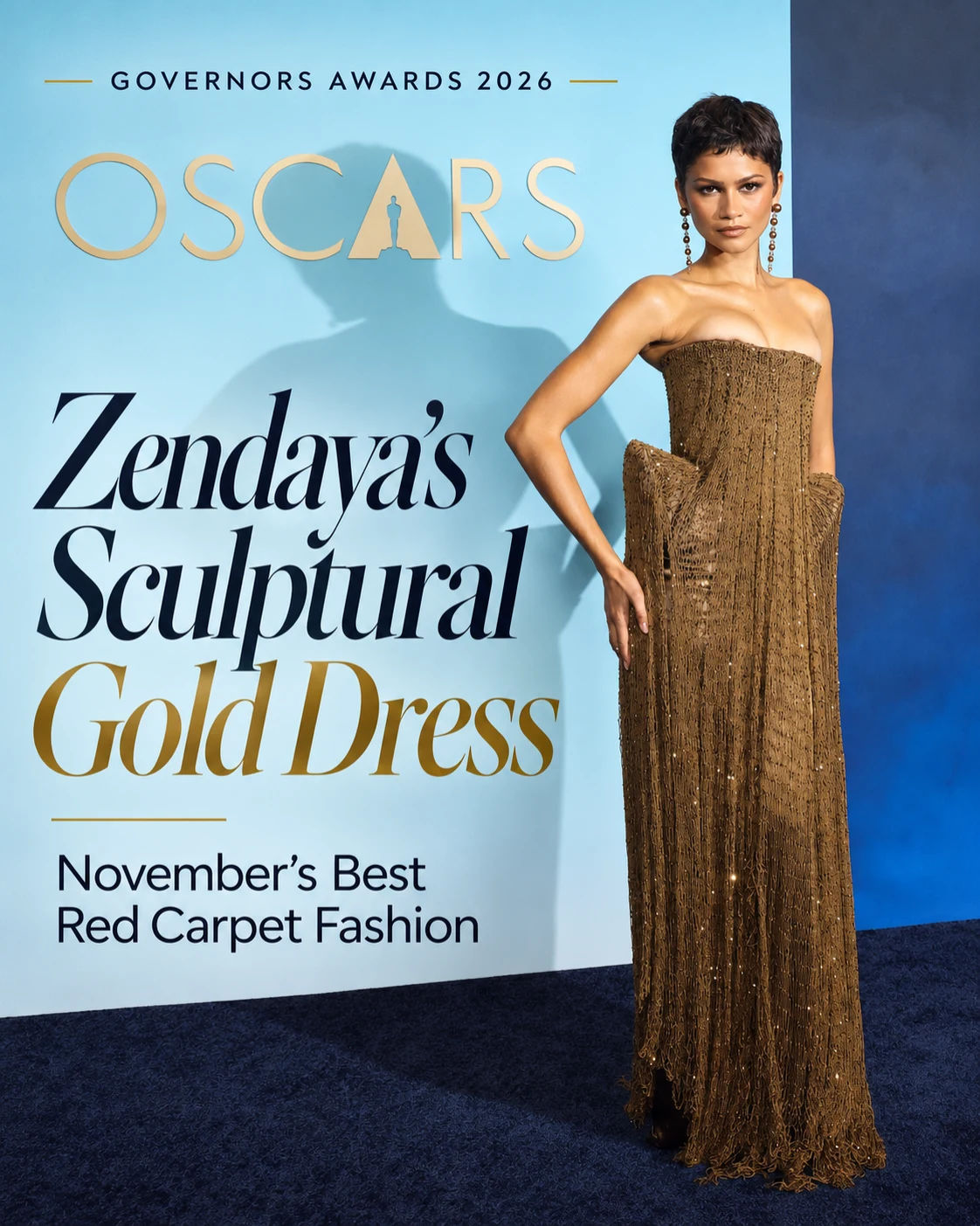
Zendaya Governors Awards Dress: Best Red Carpet Fashion of November 2026
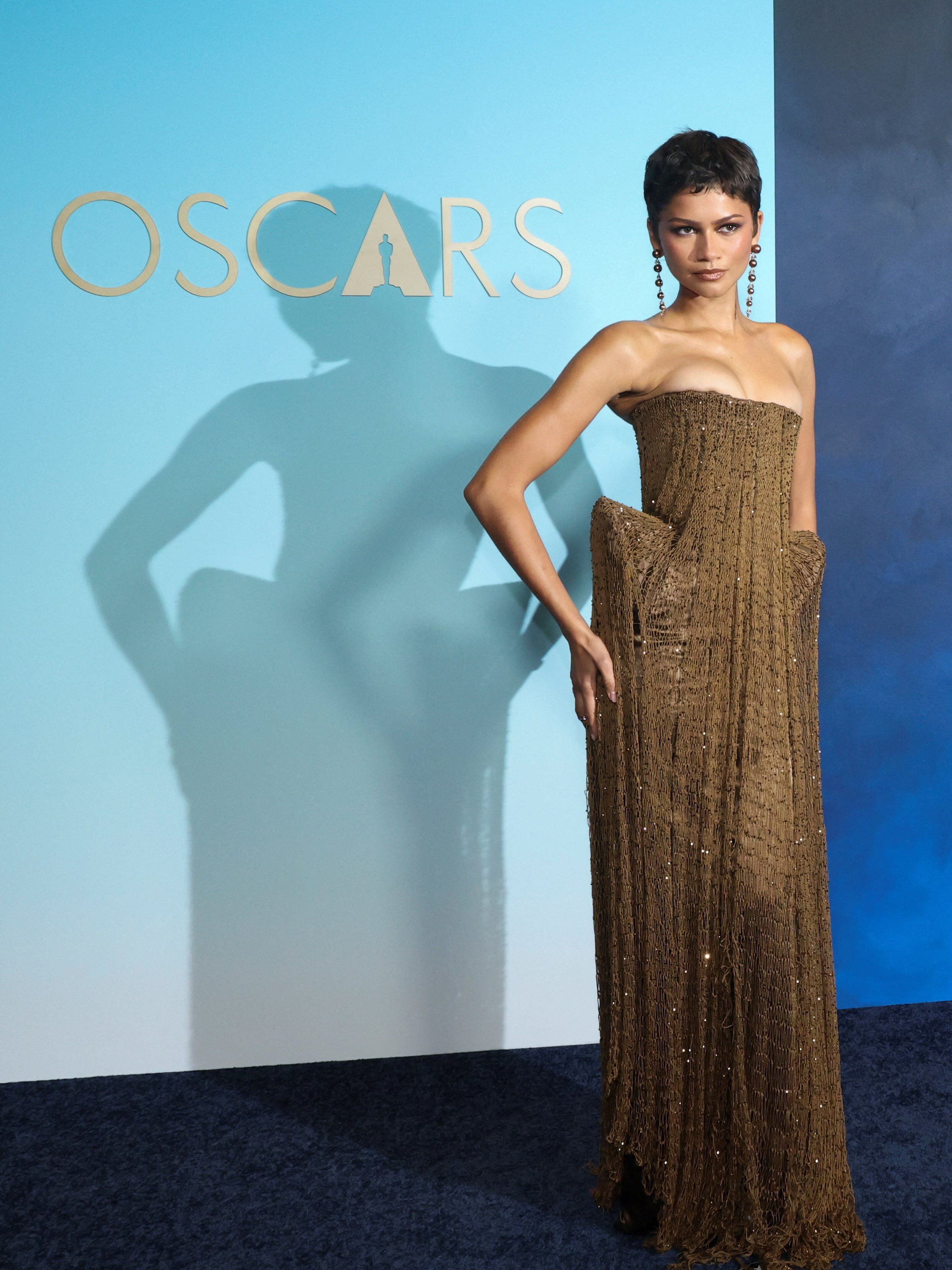
There are red-carpet dresses that belong entirely to their moment, and others that seem to exist outside time. At the 2026 Governors Awards, Zendaya arrived in a gown that had already lived one fashion life before beginning another. Shimmering in antique gold, structured through the hips, and finished with an intricate metallic surface, the archival Giles Deacon design felt simultaneously historical and startlingly modern.

It was an appearance that captured the particular intelligence of Zendaya's approach to fashion. Working once again with stylist Law Roach, the actor chose a dress defined not simply by beauty, but by its construction, provenance, and unmistakable silhouette.
Held on November 15 at the Ray Dolby Ballroom in Los Angeles, the 17th Governors Awards brought together some of Hollywood's most recognizable figures for an evening celebrating artistic achievement in cinema. Glenn Close, Ridley Scott, and Floyd Norman received Honorary Oscars, while producers Christine Vachon and Pamela Koffler were recognized with the Irving G. Thalberg Memorial Award.
The ceremony also offered one of November 2026's most compelling red-carpet fashion moments.
From Emma Stone's restrained Louis Vuitton gown to Charlize Theron's dramatic Tom Ford creation, the evening revealed an unusually broad interpretation of formal elegance. Sculptural metallics, expressive embellishment, fluid silhouettes, and beautifully measured tailoring existed alongside one another without a single dominant aesthetic.
Yet the Zendaya Governors Awards dress provided a particularly interesting starting point for understanding the night's fashion.
Her look suggested that contemporary glamour is becoming less concerned with simply appearing new. Instead, its most memorable expressions often emerge through the reinterpretation of existing ideas, whether borrowed from fashion archives, traditional craftsmanship, or the enduring language of Hollywood eveningwear.
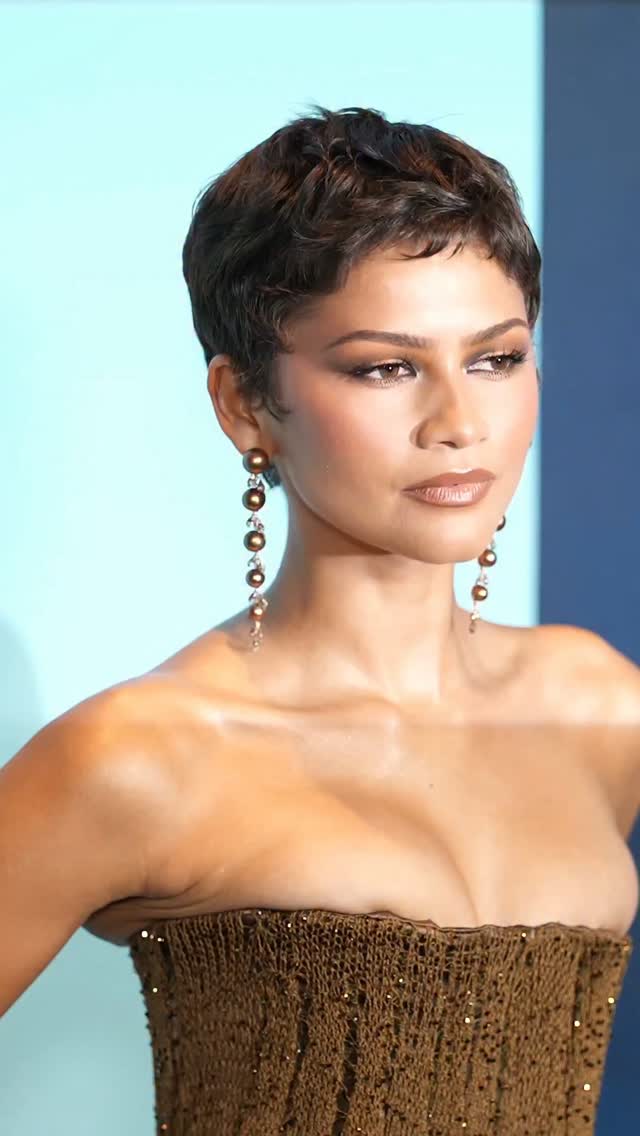
Zendaya's Governors Awards Dress: An Archival Giles Deacon Masterpiece
The defining feature of Zendaya's 2026 Governors Awards gown was its extraordinary architecture.
The strapless metallic design, sourced from British designer Giles Deacon's mid-2000s runway archive, combined an elongated column silhouette with pronounced three-dimensional shaping at the hips.
Its shimmering gold surface carried an olive-bronze undertone, creating a finish that changed character under the evening's lighting. A textured, net-like overlay and delicate fringe introduced movement, while the structured hip detailing created an almost sculptural outline.
The contrast was striking.
From the upper body, the gown appeared relatively streamlined. At the hips, the silhouette expanded into an exaggerated geometric form before returning to the narrower line of the skirt.
That unexpected change in proportion gave the dress its distinctive identity.
Rather than relying on an elaborate train or dramatic neckline, Deacon's design introduced theatricality through construction. The architecture of the garment became its central decorative feature.
There was also a fascinating tension between the material and the silhouette.
The metallic surface appeared fluid, catching light through its textured finish. The padded structure, meanwhile, imposed a deliberate shape on the fabric.
Softness and rigidity existed within the same design.
Zendaya allowed that contrast to remain visible, avoiding excessive accessories that might compete with the gown's unusual proportions.
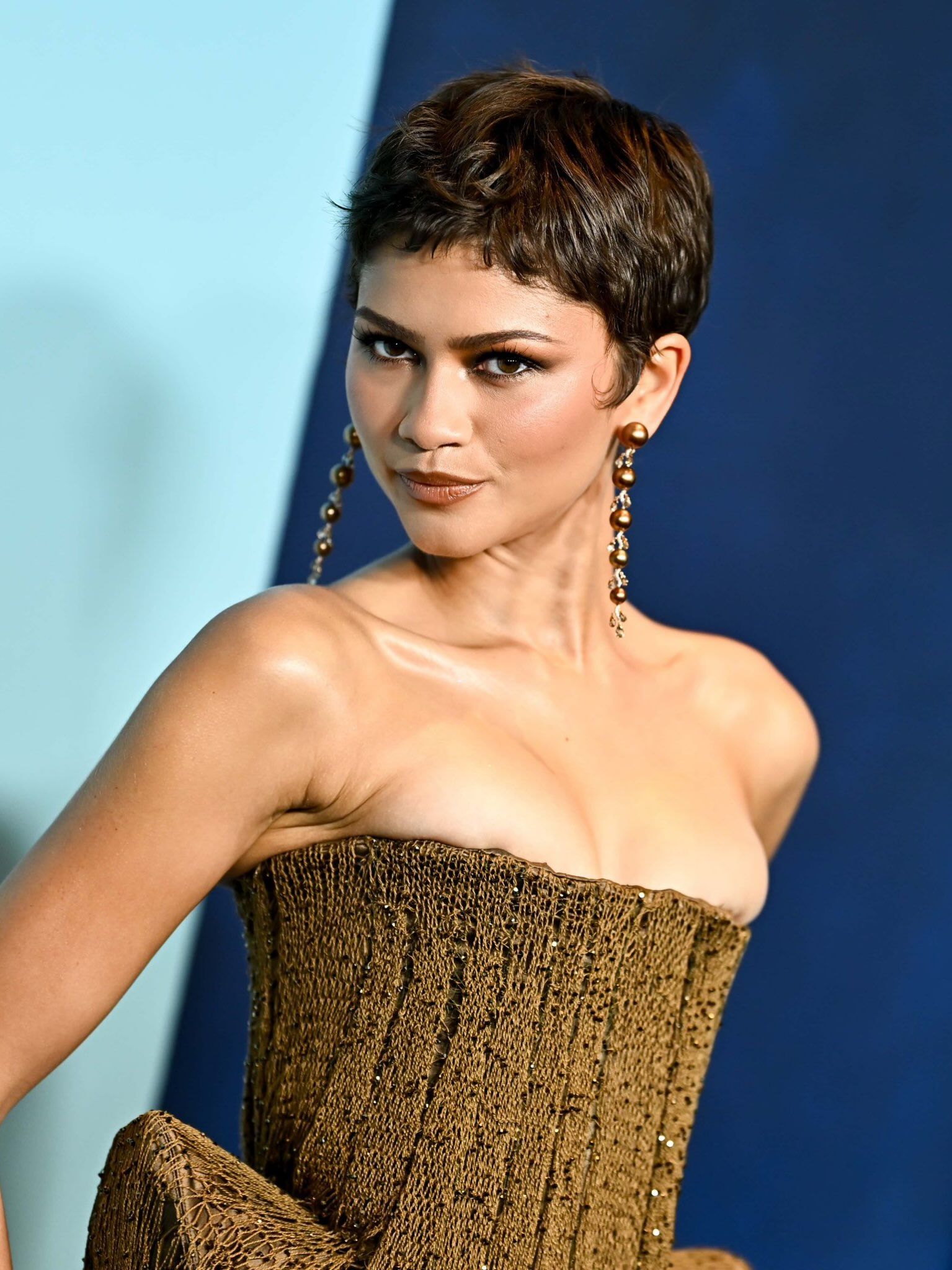
Chopard jewelry and a vintage Rolex watch completed the appearance, introducing refined finishing details without distracting from the dress.
The result felt richly decorative but carefully controlled.
It was precisely the kind of fashion moment that has become associated with Zendaya and Roach: visually ambitious, rooted in design history, and presented with an understanding of how clothing communicates through movement and proportion.
The archival choice also gave the appearance a significance beyond its immediate visual impact.
A gown created nearly two decades earlier had returned to one of Hollywood's most visible red carpets, appearing remarkably compatible with contemporary fashion's fascination with sculptural shapes and expressive surfaces.
Its relevance did not require reinvention.
The design was already distinctive enough to find a new audience.

Why Zendaya and Law Roach's Archival Fashion Feels So Contemporary
Zendaya's relationship with archival fashion has become one of the most recognizable aspects of her red-carpet identity.
Over the years, she and Law Roach have revisited designs associated with John Galliano, Versace, and Bob Mackie, demonstrating an interest in garments whose histories contribute to their present-day appeal.
These appearances rarely feel like straightforward recreations of earlier fashion eras.
Instead, the emphasis falls on the relationship between the original design and the contemporary setting in which it is worn.
The Giles Deacon gown illustrated that approach particularly well.
Its exaggerated hip structure reflected the designer's experimental interest in silhouette, while its metallic finish introduced a sense of glamour that translated naturally to the Governors Awards.
The combination felt unconventional without appearing disconnected from the occasion.
There is a broader cultural appeal to this kind of dressing.
Fashion archives preserve more than collections of beautiful garments. They contain evidence of changing ideas about proportion, femininity, material, and artistic expression.
When a historical runway piece returns to public view, those ideas become part of a new conversation.
A silhouette once considered experimental can appear unexpectedly relevant. An unusual fabric treatment may connect with contemporary interests in texture and craftsmanship. A design created for a particular runway moment can acquire a different character when worn by someone with a distinctive personal style.
Zendaya's appearance demonstrated how naturally those shifts can occur.
The gown did not lose its connection to Deacon's original design language. Its sculptural proportions remained central to the look. Yet the styling gave the garment a new context, moving it from runway experimentation into the formal setting of an awards ceremony. The appearance also carried a connection to Zendaya's film career.
According to ELLE's coverage of the evening, Roach identified the look on Instagram as the beginning of her fashion appearances for the Dune: Part Three press tour. That connection adds an interesting layer to the choice. Zendaya's previous Dune appearances have explored dramatic silhouettes and futuristic design, frequently using fashion to establish a visual atmosphere around the films.
The metallic Deacon gown belongs comfortably within that broader aesthetic vocabulary.
Its architectural construction and reflective surface carry a distinctly otherworldly quality, although the dress remains a historical fashion design rather than a costume created for the film.
The distinction matters.
What makes the look compelling is its ability to operate in several contexts at once: as an archival runway creation, as a contemporary red-carpet statement, and as part of an evolving relationship between fashion and cinematic storytelling. That layered identity is central to Zendaya's appeal.
Her strongest appearances rarely depend on a single decorative detail. They create a complete visual impression while leaving enough complexity to reward a closer look.
Emma Stone and Penélope Cruz: The Enduring Power of Classic Hollywood Elegance
If Zendaya approached the Governors Awards through dramatic fashion architecture, Emma Stone offered a contrasting interpretation of sophistication.
Her black Louis Vuitton gown relied on a comparatively restrained silhouette, placing emphasis on clean lines and careful proportion.
The halter-style neckline created a composed front, while the plunging back introduced an unexpected element of openness.
It was an exercise in visual balance.
Where Zendaya's metallic gown encouraged attention toward its elaborate hip structure, Stone's look directed the eye through the simplicity of its construction.
Black fabric, a carefully shaped neckline, and an elegant back detail were enough to establish the dress's identity.
That restraint gave the appearance a timeless quality.
There is something enduring about formalwear that allows the relationship between fabric and body to remain uncomplicated. Its appeal comes from proportion rather than embellishment, creating an impression of confidence without excess.
Stone's Louis Vuitton design captured that sensibility particularly well.
Penélope Cruz explored another facet of classic Hollywood glamour in Chanel.
Her black off-the-shoulder gown featured feather detailing around the neckline, introducing a soft, tactile element to an otherwise traditional eveningwear silhouette.
The feathers created a decorative frame around the shoulders, adding movement without overwhelming the dress.
Paired with diamond jewelry and a bold red lip, the appearance drew on familiar visual references associated with formal cinema-era elegance.
Yet the look remained contemporary through its considered styling.
The contrast between Stone and Cruz was subtle but revealing.
Stone emphasized minimalism and shape, while Cruz introduced a more romantic approach through texture and ornamentation.
Both relied on the enduring sophistication of black eveningwear.
And both demonstrated how a familiar color can produce dramatically different results depending on the treatment of the fabric.
That variety became one of the defining characteristics of the November 2026 Governors Awards red carpet.
Rather than allowing elaborate statement gowns to dominate every conversation, the evening gave equal space to quieter expressions of elegance.
In that context, black was not a safe or unimaginative choice.
It became a foundation for individuality.

Beyond the Gown: How the 2026 Governors Awards Redefined Formal Dressing
The Governors Awards red carpet also revealed an increasingly flexible relationship with traditional menswear.
While classic tuxedos remained present, several attendees approached formal dressing through unexpected fabrics, relaxed proportions, and unconventional styling.
Alexander Skarsgård offered one of the evening's most distinctive examples.
His Tom Ford ensemble paired dark tailoring with a low-cut silver sequined top, introducing an expressive element into the familiar language of a black suit.
The contrast was striking but controlled.
The tailoring provided structure, while the reflective fabric underneath introduced movement and a less conventional approach to evening glamour.
It demonstrated how a traditional suit could become visually adventurous without abandoning its essential form.
Pedro Pascal took a different direction in Chanel.
Rather than following the standard black-tie formula, his look combined a white shirt, patterned tie, and high-waisted beige trousers.
The softer palette and unusual proportions gave the outfit a more relaxed character.
It was formalwear interpreted through ease rather than ceremony.
Tom Holland, meanwhile, represented the enduring appeal of classic tailoring in Louis Vuitton.
His black double-breasted tuxedo, white shirt, and bow tie offered a traditional interpretation of red-carpet elegance.
Its impact came from proportion and precision.
These contrasting approaches revealed something important about the wider evening.
Contemporary formal dressing no longer requires every attendee to work within the same narrow aesthetic.
A traditional tuxedo can coexist with expressive sequins. A patterned tie and relaxed trousers can feel appropriate alongside elaborate couture gowns.
What matters is the coherence of the complete look.
That same principle connected the night's strongest women's fashion moments.
Zendaya's sculptural metallic gown, Emma Stone's minimalist black dress, and Tessa Thompson's richly patterned Schiaparelli creation shared little in terms of silhouette or surface treatment.
Yet each conveyed a distinct understanding of personal style.
The differences were precisely what made the red carpet interesting.

Zendaya's Governors Awards Dress and the Lasting Appeal of Fashion With a Story
The most memorable red-carpet appearances often contain a detail that stays with us long after the event itself.
Sometimes it is an unexpected color. Sometimes it is the movement of an extraordinary silhouette, or the simplicity of a gown that appears almost effortless.
For Zendaya at the 2026 Governors Awards, it was the relationship between history and modernity.
Her archival Giles Deacon dress carried the visual language of an earlier runway era, yet its sculptural hips, textured metallic surface, and elongated silhouette felt entirely at home within contemporary fashion.
The appearance demonstrated how the right garment can move beyond the moment in which it was originally created.
Its beauty was not dependent on being new.
Instead, the gown offered a reminder that remarkable design can retain its expressive power across different periods, particularly when styling allows its original character to remain intact.
The wider Governors Awards red carpet reinforced that idea.
From Emma Stone's quiet elegance to Charlize Theron's crimson drama, the evening's strongest appearances were defined by clarity of intention.
Some embraced traditional Hollywood glamour. Others challenged familiar silhouettes or explored the possibilities of elaborate craftsmanship.
Each brought a different perspective to the occasion.
As November 2026's red-carpet fashion continues to unfold, the Governors Awards stands out for the diversity of those interpretations.
And within that collection of memorable looks, Zendaya's metallic Giles Deacon gown offered something particularly enduring.
It was a dress with a past, worn in a moment that gave it a new visual life.
Not simply an exercise in nostalgia, but a compelling example of what happens when fashion history, personal style, and contemporary culture meet.
The result was an image worth returning to, not because it attempted to define the future of red-carpet dressing, but because it demonstrated how much creative possibility already exists within fashion's past.
Recommended
Kylie Jenner Pink Halter Look: How Coquette Glam Is Returning for Fall
Cate Blanchett's Mary Katrantzou Dress: Best Harper's Bazaar Women of the Year Looks
Lily James Crushed Velvet Prada Dress: Best London Film Festival Style
Penélope Cruz Yellow Chanel Dress: Best Red Carpet Look at London Film Festival 2026
Victoria Beckham Salted Caramel Suit: The Autumn Tailoring Trend
More from ICONS
ALL ICONS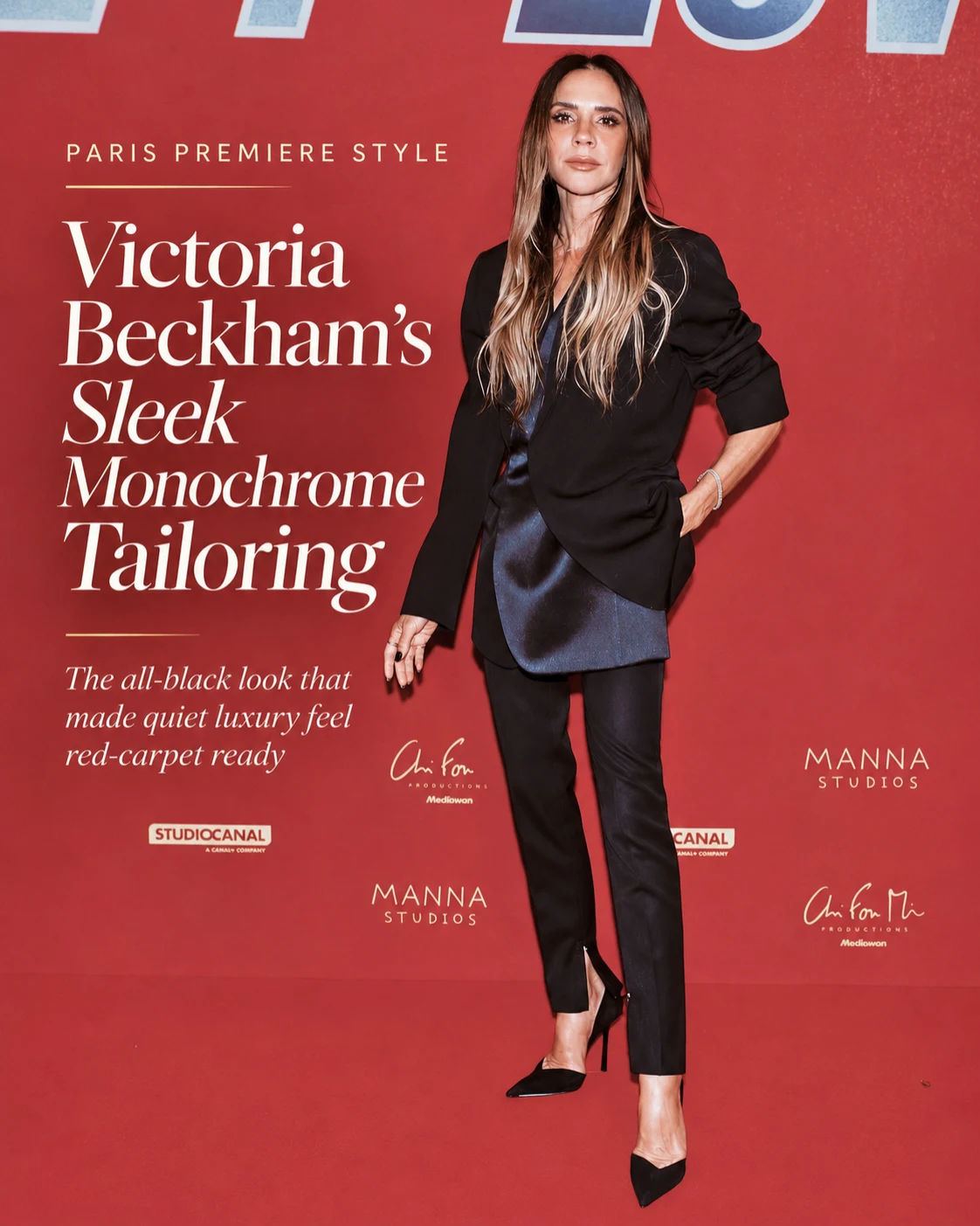
Victoria Beckham’s All-Black Paris Premiere Look Is a Masterclass in Power Dressing
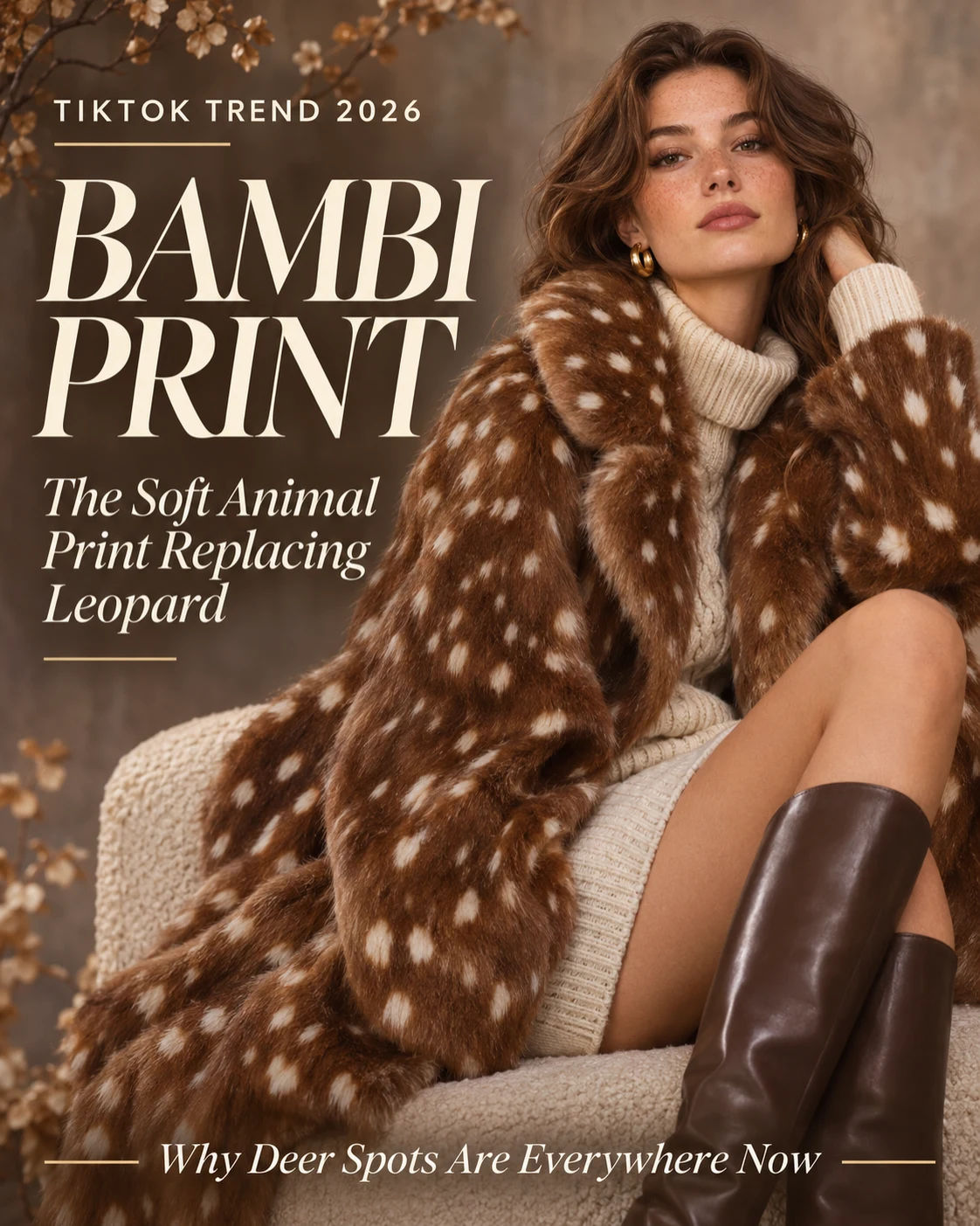
Bambi Print Trend 2026: Why Deer Spots Are Replacing Leopard Print on TikTok