Yellow Resortwear Trend 2026: Bright Vacation Dresses for Winter Sun Escapes
Explore the yellow resortwear trend for 2026, from bright lemon vacation dresses to butter-yellow maxis and effortless winter-sun styling.
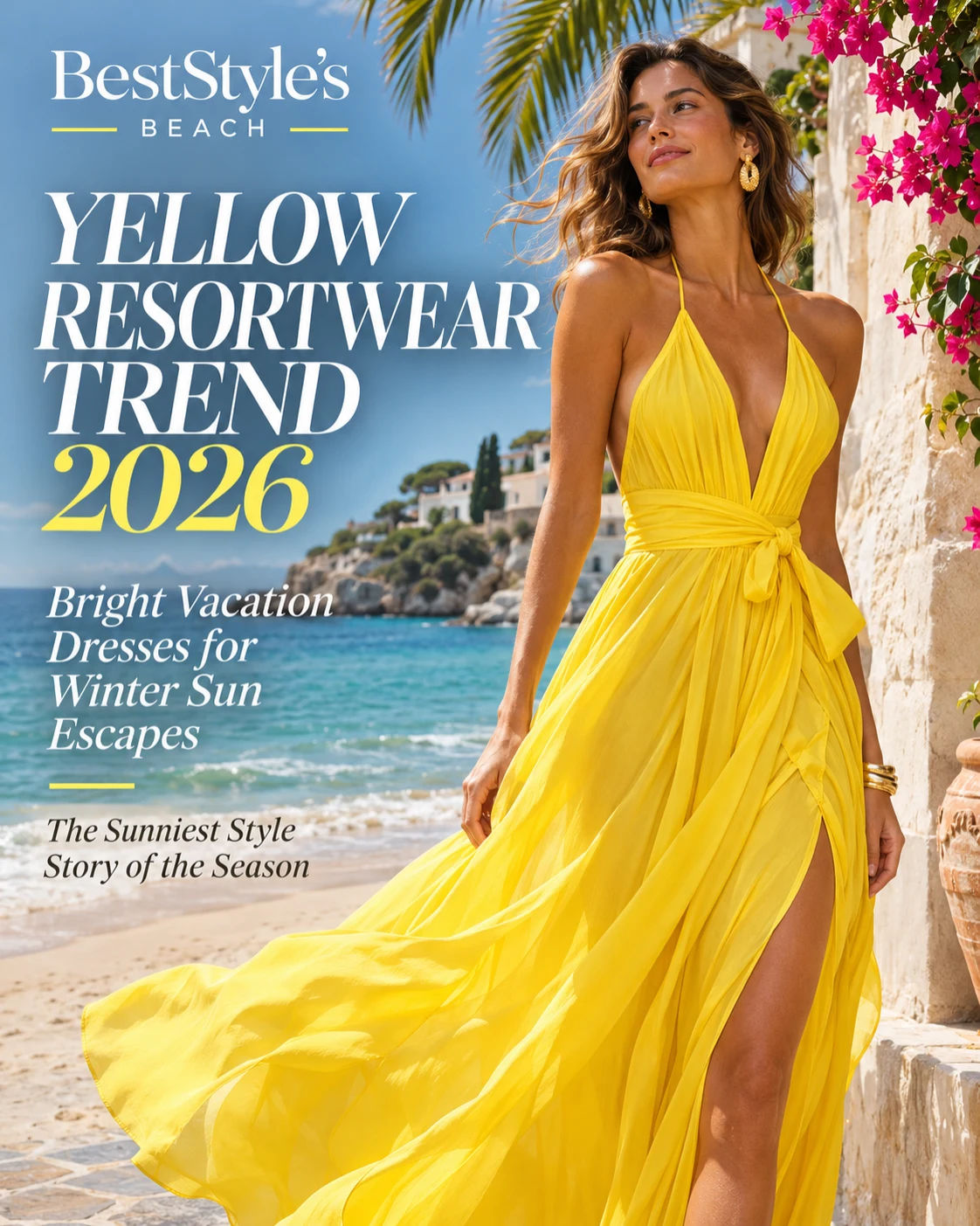
The yellow resortwear trend of 2026 is bringing a new kind of sunshine to vacation dressing, replacing predictable tropical prints and muted neutrals with vibrant lemon dresses, flowing canary-yellow maxis, and softly romantic butter-yellow silhouettes. Think a lightweight linen sundress moving through a palm-lined coastal terrace, a sculptural yellow halter dress against the turquoise Mediterranean, or a delicate satin slip that catches the final warmth of a beachside sunset. After several seasons dominated by understated butter tones, fashion's relationship with yellow has become noticeably more expressive. From the saturated citrus shades seen at Prada, Ferragamo, and Loewe to the lemon-yellow vacation dresses appearing in Tory Burch's Resort 2027 collection, designers are exploring the color as both a statement and a sophisticated alternative to traditional resort neutrals. For winter-sun escapes, the appeal feels particularly relevant: yellow brings the visual energy of summer into a season when much of the fashion world is focused on darker palettes and heavier layers. The result is a resortwear movement defined by optimism, fluid silhouettes, and the effortless confidence of clothing that feels connected to its surroundings.
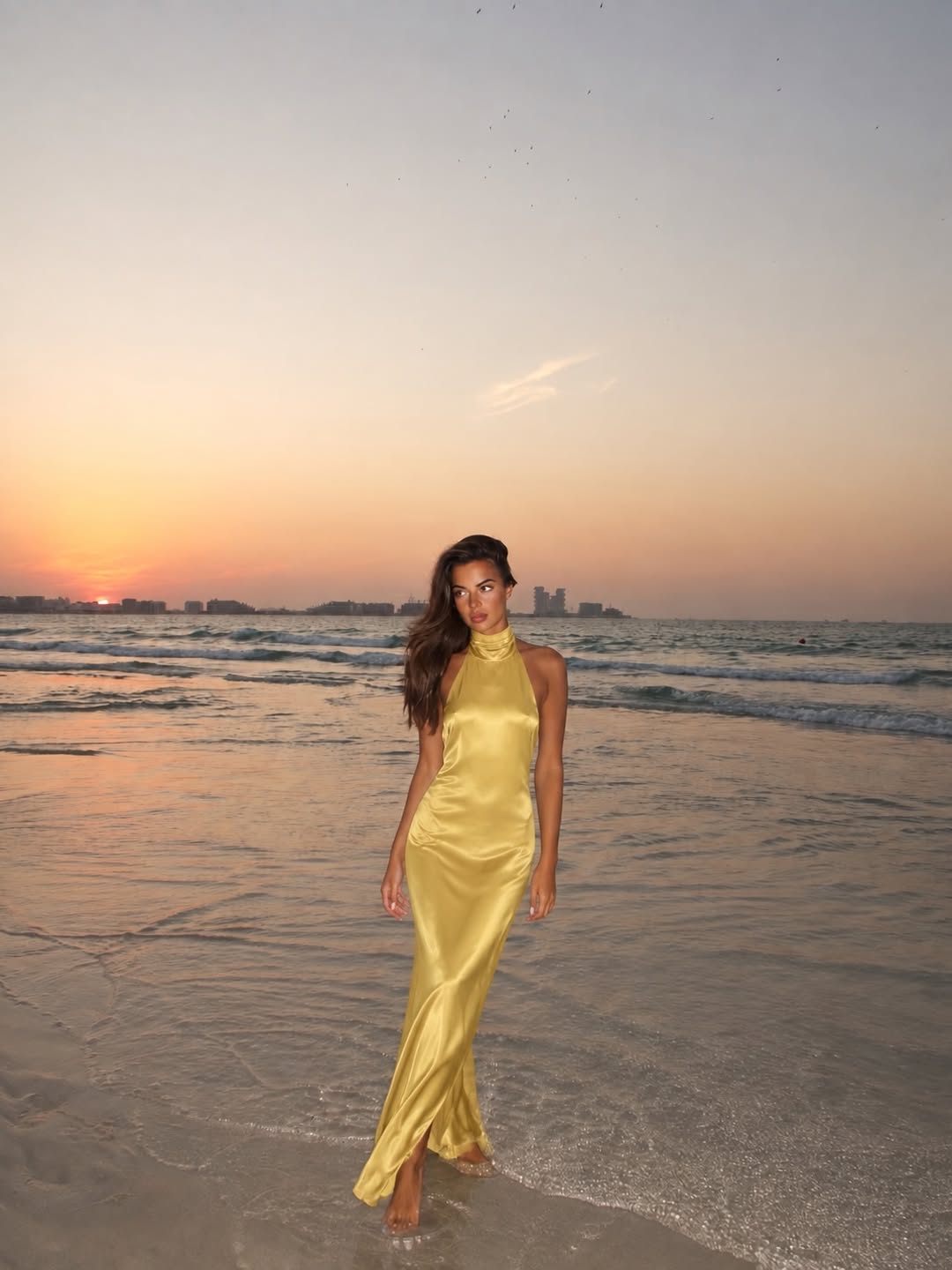
What yellow resortwear dress styles are defining 2026?
The most compelling yellow vacation dresses of 2026 combine expressive color with silhouettes that allow fabric to move naturally. Rather than relying on elaborate embellishment, designers are using draping, lightweight construction, and carefully considered proportions to create dresses that feel distinctive without sacrificing the relaxed character of resort dressing.
The Lemon-Yellow Linen Maxi: A flowing ankle-length dress in breathable linen or a linen blend, often featuring a square neckline, adjustable straps, or an understated fitted bodice. Its appeal comes from the contrast between saturated color and simple construction, creating a polished silhouette suited to warm coastal settings.
The Butter-Yellow Slip Dress: A softly draped satin, silk, or lightweight woven dress with narrow straps and a fluid silhouette. The pale shade introduces a romantic quality, while the uncomplicated shape allows it to move between daytime resort dressing and more refined evening occasions.
The Canary-Yellow Halter Dress: A brighter interpretation featuring a halter neckline, open shoulders, and a long, uninterrupted silhouette. Its sculptural upper section creates visual interest, making the dress particularly effective without elaborate accessories.
The Yellow Drop-Waist Sundress: A relaxed dress with an elongated bodice and a skirt beginning lower on the hips. The silhouette introduces a nostalgic character while preserving the ease associated with contemporary vacation clothing.
The Citrus Crochet Dress: An open-knit or textured dress in lemon, marigold, or golden yellow, incorporating artisanal construction into the color trend. It works particularly well as a beach layer over coordinated swimwear.
The Sunflower-Yellow Mini Dress: A shorter silhouette featuring gathered fabric, a softly structured neckline, or a simple A-line shape. Its brighter color provides much of the visual impact, allowing the styling to remain uncomplicated.
The Draped Golden-Yellow Evening Dress: A longer resort silhouette in satin, lightweight jersey, or fluid crepe, often featuring asymmetric necklines, gathered waists, or softly falling panels. It brings a more refined interpretation of the trend to sunset dinners and warm-weather evenings.
What connects these variations is their relationship with movement and light. Yellow becomes particularly expressive when paired with fabric that shifts naturally, allowing the changing sunlight to emphasize folds, textures, and subtle differences in shade. A simple dress can feel remarkably different depending on whether it is constructed from crisp cotton, textured linen, delicate crochet, or reflective satin.
Pro Tip: When wearing a particularly bright yellow dress, allow its color to remain the main statement. A simple neckline, natural fabric, and restrained accessories often create a more sophisticated impression than an outfit combining several competing decorative elements.

Why is bright yellow becoming a defining resortwear color in 2026?
The renewed interest in yellow reflects a broader shift in fashion's approach to color. For several seasons, softer shades such as cream, beige, chocolate brown, and butter yellow provided the foundation for understated contemporary wardrobes. These colors remain relevant, but the Spring/Summer 2026 collections introduced a more expressive palette, with designers exploring saturated brights alongside familiar neutrals. Lemon, canary, and citrus yellow emerged as particularly visible alternatives, creating an optimistic visual mood without requiring complicated silhouettes.
At Prada, Ferragamo, Celine, Loewe, and Miu Miu, variations of bright yellow appeared across clothing and accessories, demonstrating how the color could function within different design philosophies. Some collections emphasized clean, architectural shapes, while others incorporated fluid fabrics and more playful combinations. The shared interest lay in yellow's ability to establish an immediate visual presence, even when the garment itself remained relatively simple.
In its 2026 color-trend report, Harper's Bazaar identified lemon yellow as one of the season's standout shades, noting its increased visibility after the earlier popularity of softer butter tones. The publication highlighted how designers had moved toward brighter, more saturated interpretations of the color, bringing renewed energy to familiar wardrobe categories.
That transition feels especially natural within resortwear. Vacation dressing has traditionally allowed greater freedom with color, particularly when clothing is intended for warm environments, outdoor settings, and relaxed social occasions. Yellow complements that context because its visual identity is closely associated with sunlight, warmth, and the natural colors of coastal landscapes.
Yet the contemporary interpretation is more nuanced than simply choosing the brightest possible shade. A soft lemon dress can feel delicate and romantic, while an intense canary-yellow gown creates a more graphic impression. Golden yellow introduces warmth, and muted butter tones offer an understated alternative that can sit comfortably alongside neutral accessories.
The range allows yellow to operate across different aesthetics rather than belonging to one recognizable vacation look. A minimalist linen dress and an elaborate draped evening gown may share the same color family, but their silhouettes create entirely different moods. That versatility helps explain why yellow continues to move between runway collections, celebrity wardrobes, and more relaxed resort styling.

Butter yellow, lemon, and canary: which shades define the 2026 resort palette?
Not every yellow communicates the same mood. The color's intensity, undertone, and relationship with fabric can dramatically change the impression of a dress, making shade selection one of the most important aspects of the trend. In 2026, fashion's interest extends across a broad spectrum, from pale buttercream to vivid citrus and deeper golden tones.
Butter yellow remains the quietest interpretation. Its creamy undertone creates a soft appearance that works naturally with ivory, warm beige, and chocolate brown. In resortwear, the shade becomes particularly effective in lightweight linen, cotton, and softly draped satin. A butter-yellow maxi dress can feel almost neutral when paired with similarly restrained accessories, allowing the silhouette and texture to provide the visual interest.
Lemon yellow introduces greater freshness. Brighter and often slightly cooler than butter yellow, it creates a clear contrast against white stone, pale sand, and turquoise water. Its vibrancy makes it particularly effective in simple dresses, where the color can establish a strong identity without requiring elaborate construction.
Canary yellow is more saturated and visually assertive. The shade is closely associated with the renewed interest in expressive color seen across the Spring/Summer 2026 runways. In June, Glamour highlighted canary yellow's prominence across collections from designers including Tory Burch, Alexander McQueen, and Fendi, reflecting a movement toward more confident, high-impact dressing.
Golden yellow and saffron introduce a warmer interpretation. These shades possess deeper undertones that can complement earthy accessories, natural woven fabrics, and darker resort color palettes. A golden-yellow dress in textured cotton or fluid satin can feel rich without relying on metallic embellishment.
The differences become especially noticeable in natural light. Pale butter yellow can appear almost cream-colored under bright midday sun, while lemon and canary maintain a more pronounced visual intensity. Golden shades often develop greater depth in the softer light of late afternoon.
The most compelling choice depends on the complete outfit rather than a universal rule about which shade suits whom. Fabric, contrast, personal preference, and the surrounding palette all influence how the color appears. A bright yellow dress can feel restrained through minimalist styling, while a pale yellow silhouette can become expressive through unusual construction or decorative detail.

Step-by-step: how to style yellow resortwear dresses for winter-sun vacations
The strongest yellow vacation outfits begin with a clear understanding of the dress's color and silhouette. Because yellow already provides substantial visual interest, the surrounding pieces can remain relatively simple, allowing the fabric, shape, and atmosphere of the setting to establish the overall impression.
Choose the shade according to the mood of the outfit. Lemon and canary yellow create a brighter, more expressive effect, while butter and golden yellow feel softer or warmer. A saturated dress can become the main statement of the outfit, whereas a pale yellow piece allows greater emphasis on texture and accessories.
Start with an uncomplicated silhouette. A linen column dress, softly gathered sundress, or relaxed halter maxi provides a strong foundation for daytime resort styling. Clean proportions allow bright yellow to remain sophisticated without making the outfit feel excessively decorated.
Pair yellow with natural textures. Raffia bags, woven accessories, leather sandals, and lightweight cotton layers complement the color's warm character. These materials introduce texture while remaining connected to the relaxed visual language of coastal dressing.
Use white and cream to soften saturated yellow. An ivory cotton shirt worn open over a yellow dress or a cream accessory can introduce visual breathing room. These combinations feel particularly effective when the dress is bright enough to remain the outfit's dominant feature.
Introduce chocolate brown for a richer contrast. Deep-brown sandals, a simple leather bag, or restrained brown accessories create depth against lemon or butter yellow. The combination feels warmer than black and can provide a more understated interpretation of the trend.
Keep jewelry connected to the fabric. Minimal gold jewelry complements warm yellow shades, while silver can introduce a cooler contrast against brighter lemon tones. Delicate earrings or a simple bracelet are often sufficient when the dress already contains significant color or texture.
Adjust the styling for the time of day. Flat sandals and relaxed woven accessories emphasize daytime ease, while refined footwear and a small structured bag can make a fluid yellow dress feel more appropriate for a sunset dinner. The dress itself can remain unchanged if its fabric and silhouette suit both settings.
The most successful outfits preserve a clear visual hierarchy. When the dress is bright and sculptural, accessories can remain understated. When the silhouette is simple and the yellow relatively soft, texture or carefully selected jewelry can introduce additional interest.
Pro Tip: A lemon-yellow maxi dress can appear more refined when paired with two consistent accessory tones rather than several contrasting colors. Cream and tan create softness, while chocolate brown and gold introduce a richer evening mood.

Why linen, cotton, satin, and crochet change the character of yellow dresses
Fabric plays an essential role in how yellow appears, particularly in the changing light of coastal environments. Two dresses in nearly identical shades can create completely different impressions depending on their texture, weight, and movement. This makes material selection particularly important for a color that naturally attracts attention.
Linen provides one of the most recognizable foundations for contemporary resortwear. Its textured surface and natural drape give yellow a softer quality, particularly in muted lemon and butter shades. A relaxed linen maxi feels connected to the understated elegance of coastal clothing, allowing wrinkles and movement to become part of its casual character.
Cotton introduces greater variety. Crisp cotton poplin can hold the shape of a structured sundress, creating clean lines and controlled volume, while lighter cotton fabrics produce a softer, more fluid silhouette. A yellow cotton dress with a gathered skirt can feel romantic without becoming overly formal, especially when paired with flat sandals and simple accessories.
Satin creates an entirely different impression. Its reflective surface intensifies the relationship between yellow and light, making folds and draping more visible. A pale-yellow satin slip can appear delicate during the day and more luminous toward evening, while a saturated golden-yellow version may feel closer to traditional occasionwear.
Crochet adds a tactile, artisanal quality. The open construction introduces pattern through the spaces between stitches, allowing yellow to appear in a more textured, less uniform way. In resortwear, crochet dresses can function as beach layers over swimsuits, although the degree of transparency and suitability for other settings depends on the construction.
These differences are especially important when planning clothing for warm destinations. Breathability, fabric weight, lining, and comfort can matter as much as the appearance of the dress. Some linen and cotton designs may be suitable for humid conditions, while certain satin fabrics can feel less comfortable in sustained heat depending on their composition.
The most convincing resort wardrobe balances atmosphere with practicality. A beautifully draped dress should also allow comfortable movement, and a lightweight silhouette should provide the level of coverage appropriate to the setting. Yellow becomes more compelling when the fabric supports the experience of wearing it rather than simply creating a striking photograph.

How to wear bright yellow without making the outfit feel overwhelming
The challenge with saturated yellow is not that the color is inherently difficult to wear. It is that its strong visual presence changes the relationship between the dress and everything surrounding it. An outfit built around a vivid canary or lemon shade often works best when the other elements have clear, supporting roles.
First, allow the dress to carry the color story. A bright-yellow maxi already establishes a recognizable aesthetic, so additional statement colors are not always necessary. Neutral sandals, a simple woven bag, and restrained jewelry can create a composed appearance without diminishing the dress's energy. This approach feels especially effective when the silhouette includes dramatic draping or unusual proportions.
Second, use texture to introduce complexity. A simple cotton dress paired with raffia accessories creates interest through the contrast between smooth fabric and woven materials. A satin slip worn with understated leather footwear offers a more refined interpretation, while crochet introduces texture directly into the dress itself. The outfit becomes visually layered without depending on several competing colors.
Third, consider the relationship between silhouette and setting. A loosely gathered sundress may feel particularly natural for daytime coastal dressing, while a long halter gown can introduce a more formal quality suitable for an evening occasion. The same shade of yellow can communicate very different moods depending on the design.
There is also no need to avoid contrast entirely. Yellow can work with chocolate brown, white, navy, olive, and even carefully chosen shades of blue or pink. The strongest combinations generally maintain a clear balance between the main color and its supporting tones.
For a more understated interpretation, butter and buttermilk shades offer an alternative to vivid lemon or canary. Their softness allows the dress to blend naturally with cream, beige, and warm neutrals, creating a quieter visual effect.
Pro Tip: If a bright-yellow dress feels especially dominant, begin with one neutral accessory color and repeat it through the footwear and bag. The consistency creates a more deliberate appearance while allowing the dress's color to remain expressive.

How to take a yellow resort dress from the beach to sunset
One of the most appealing qualities of contemporary vacation dressing is the ability to adapt familiar garments to different moments of the day. A yellow dress can participate in that approach, provided its fabric, construction, and coverage work comfortably across the intended settings. The most versatile silhouettes often combine relatively simple shapes with enough detail to feel complete without elaborate styling.
During the day, a cotton or linen sundress provides a relaxed foundation. Flat sandals, a lightweight shirt, and a woven bag reinforce the informal character of the outfit, allowing the color to remain the central feature. A loose yellow maxi can also function as a layer over swimwear when its fabric and construction are suitable, although a lined or more opaque dress may be more practical away from the beach.
As the day moves toward evening, the surrounding accessories can change the mood. Refined leather sandals, a smaller bag, and understated jewelry introduce a more polished character without requiring a completely different dress. A softly structured halter silhouette or fluid midi can feel especially adaptable because its construction already balances relaxed movement with a degree of formal elegance.
Satin dresses introduce another possibility. Their reflective surfaces respond strongly to changing light, making them visually effective in late-afternoon and evening settings. A pale-yellow satin slip can feel understated with minimal sandals, while a deeper golden shade can create a more dramatic impression with simple jewelry.
The distinction between beachwear and eveningwear is not entirely dependent on styling. Fabric transparency, garment length, lining, and local dress expectations all affect where a particular design may be appropriate. A very lightweight cover-up intended for the shoreline may require an additional layer for dining, while a more substantial linen dress can often move between settings with fewer adjustments.
The strongest vacation wardrobes account for these differences without losing a sense of spontaneity. A thoughtfully chosen yellow dress can provide several styling possibilities, but its versatility comes from the relationship between practical construction and expressive design.

What should you consider when choosing yellow dresses for warm-weather travel?
A beautiful resort dress should feel as comfortable in its intended environment as it looks in photographs. Yellow's brightness may establish the visual identity of the garment, but fabric weight, fit, transparency, and construction determine how practical it becomes during a warm-weather trip.
Linen and lightweight cotton are useful starting points because they can provide breathability and ease of movement, although the comfort of any garment depends on its weave, thickness, fit, and the surrounding climate. A loosely constructed dress may feel more comfortable in humid conditions than a tightly fitted silhouette, while a more substantial fabric can provide greater opacity and structure.
Lining is another important consideration. Pale butter and lemon shades may appear relatively opaque indoors but reveal more under strong sunlight, particularly when the fabric is thin. The color and construction of the underlayer can therefore affect the finished appearance, making it useful to consider the dress in different lighting conditions.
Length also matters. A floor-length maxi can create beautiful movement in photographs, but very long hems may be less convenient on sand, stairs, or uneven coastal paths. Midi and ankle-length designs can offer a similar sense of elegance while allowing greater freedom of movement.
Certain fabrics require more careful handling. Satin may show water marks or creasing depending on its fiber composition, while delicate crochet can stretch or catch on rough surfaces. Embroidered dresses may also need more careful packing and laundering than simple cotton silhouettes.
Sun exposure deserves separate consideration. A lightweight dress should not automatically be treated as effective ultraviolet protection, especially if the fabric is thin, loosely woven, or highly transparent. Appropriate sun protection remains important even when the body is partly covered.
The most compelling vacation outfit is one that balances aesthetics with the realities of travel. Yellow can bring extraordinary warmth to a coastal wardrobe, but the garment's comfort, movement, and suitability for the setting are equally important to its lasting appeal.

BestStyle's guide to the yellow resortwear trend in 2026
The yellow resortwear trend reflects a broader shift toward expressive color, fluid silhouettes, and vacation clothing that feels connected to its environment. After several seasons in which butter yellow became a recognizable fashion neutral, designers have expanded the palette to include brighter lemon, canary, and golden shades. The resulting variety allows yellow to move between understated daytime dressing and more dramatic eveningwear without losing its familiar associations with sunlight and warmth.
For BestStyle's BEACH section, the most compelling quality of the trend is its relationship with atmosphere. A yellow dress can become visually striking through the simplest details: a linen skirt moving in a coastal breeze, a halter neckline framed by natural sunlight, or a pale satin fabric reflecting the softer colors of sunset. The setting contributes to the garment's character without requiring elaborate styling.
The 2026 runway collections established the color's renewed relevance through designers including Prada, Ferragamo, Loewe, and Tory Burch. Resort 2027 presentations developed that conversation further, introducing bright yellow into playful proportions and softer shades into more restrained wardrobes. Celebrity appearances, including Sabrina Carpenter's butter-yellow Dior gown and Hailey Bieber's vivid vintage camisole, demonstrated how the same color family could support very different aesthetic identities.
What connects these interpretations is the ability of yellow to create presence through color alone. A simple vacation dress does not need heavy embellishment or an elaborate tropical pattern to feel memorable. Its appeal can come from a considered shade, comfortable fabric, and a silhouette that moves naturally.
For winter-sun dressing, that quality is particularly valuable. The contrast between colder seasonal wardrobes and the lighter clothing associated with warm destinations gives yellow a renewed sense of energy. A lemon-colored maxi, softly draped slip, or golden cotton sundress can establish an entire outfit without excessive coordination.
The trend also fits into a more enduring conversation about resort fashion. Vacation clothing is often most successful when it balances practicality with imagination, allowing the wearer to feel comfortable while reflecting the visual mood of the destination.
Yellow offers a clear expression of that balance. It can be vivid without being complicated, romantic without relying on decorative prints, and elegant without demanding an elaborate silhouette.
Although its popularity may shift between buttercream pastels and saturated citrus shades, the color's relationship with warm-weather dressing is likely to remain.
There is something timeless about a beautiful yellow dress beneath an open sky. Its simplicity allows the surrounding landscape to become part of the image, while the color provides a sense of warmth and individuality.
For winter 2026, the most compelling vacation wardrobes are not necessarily those built around the largest number of statement pieces. Sometimes, a single dress in the right shade can communicate the entire mood of an escape.
The sunlight may belong to the destination, but the yellow dress makes it part of the wardrobe.

FAQ
Is yellow resortwear trending in 2026?
Yes. Yellow has remained visible across Spring/Summer 2026 runway collections and Resort 2027 presentations, with designers exploring shades ranging from soft butter yellow to saturated lemon and canary. Tory Burch, Prada, Ferragamo, Celine, and other fashion houses have contributed to the color's renewed prominence.
What yellow dress styles are best for winter-sun vacations?
Linen maxi dresses, cotton sundresses, lightweight halter silhouettes, relaxed drop-waist dresses, and fluid slips are versatile options for warm-weather travel. The best style depends on the destination's climate, the activities planned, and the level of coverage and comfort preferred.
What is the difference between butter yellow and lemon yellow?
Butter yellow is a softer, creamier shade with a relatively muted appearance, while lemon yellow is brighter and often cooler in tone. Butter yellow tends to blend naturally with neutral palettes, whereas lemon yellow creates a more noticeable color statement.
Is canary yellow fashionable in 2026?
Yes. Canary yellow appeared across Spring/Summer 2026 fashion collections and received attention in contemporary fashion reporting. Its saturated character offers a brighter alternative to the butter-yellow shades that dominated earlier seasons.
What colors pair well with yellow vacation dresses?
White, ivory, chocolate brown, tan, navy, olive, and selected shades of blue can complement yellow. Cream and tan create a softer resort palette, while chocolate brown introduces warmth and turquoise or cobalt provides stronger contrast.
Can yellow dresses be worn for evening resort occasions?
Yes. Satin slips, draped maxis, halter dresses, and more structured yellow silhouettes can work for warm-weather evening occasions when their fabric and construction suit the setting. Refined footwear and restrained jewelry can make an otherwise simple dress feel more polished.
Are yellow linen dresses suitable for tropical climates?
Linen can be comfortable in warm conditions because of its breathability and moisture-handling properties. However, comfort also depends on fabric weight, weave, fit, humidity, and personal preference. Lightweight linen dresses with relaxed silhouettes are often practical for warm-weather dressing.
What accessories work best with a bright-yellow maxi dress?
Simple leather sandals, woven bags, understated jewelry, and neutral accessories can complement a bright-yellow dress without competing with its color. Cream, tan, and chocolate brown are particularly useful supporting shades.
Is butter yellow still fashionable after 2025?
Yes. Butter yellow continued appearing in 2026 collections and celebrity wardrobes, with designers incorporating the shade into tailoring, eveningwear, and resort clothing. Its softer character gives it a different appeal from the brighter lemon and canary shades that also gained attention.
Can yellow resortwear work with beach cover-ups?
Yes. A yellow swimsuit or dress can be layered with a lightweight cotton shirt, open-knit cover-up, or relaxed linen layer, depending on the intended outfit. Neutral cover-ups can soften the color, while tonal yellow combinations create a more coordinated appearance.
What is the best yellow shade for a minimalist resort wardrobe?
Butter yellow, pale lemon, and muted golden tones can be effective choices for understated dressing because they combine naturally with neutral fabrics and simple accessories. The ideal shade depends on personal preference, fabric, and the overall wardrobe palette rather than one universal rule.
Why are yellow dresses associated with winter-sun fashion?
Yellow has a strong visual association with sunlight and warmth, making it particularly appealing for vacations in warmer climates during colder months elsewhere. Its bright character contrasts naturally with the darker palettes commonly associated with autumn and winter dressing.
Did Tory Burch feature yellow dresses in Resort 2027?
Yes. Tory Burch's Resort 2027 collection included a lemon-yellow drop-waist dress, alongside other brightly colored pieces. The collection emphasized playful proportions and expressive color while maintaining a practical approach to contemporary dressing.
Can a yellow vacation dress be styled for both beach and city settings?
Some yellow dresses can work across both settings, particularly when constructed from sufficiently opaque cotton, linen, or other comfortable fabrics. A simple midi or maxi may be styled with flat sandals for a coastal afternoon and more refined accessories for casual dining or sightseeing. Very sheer beach-specific designs may require additional coverage.


