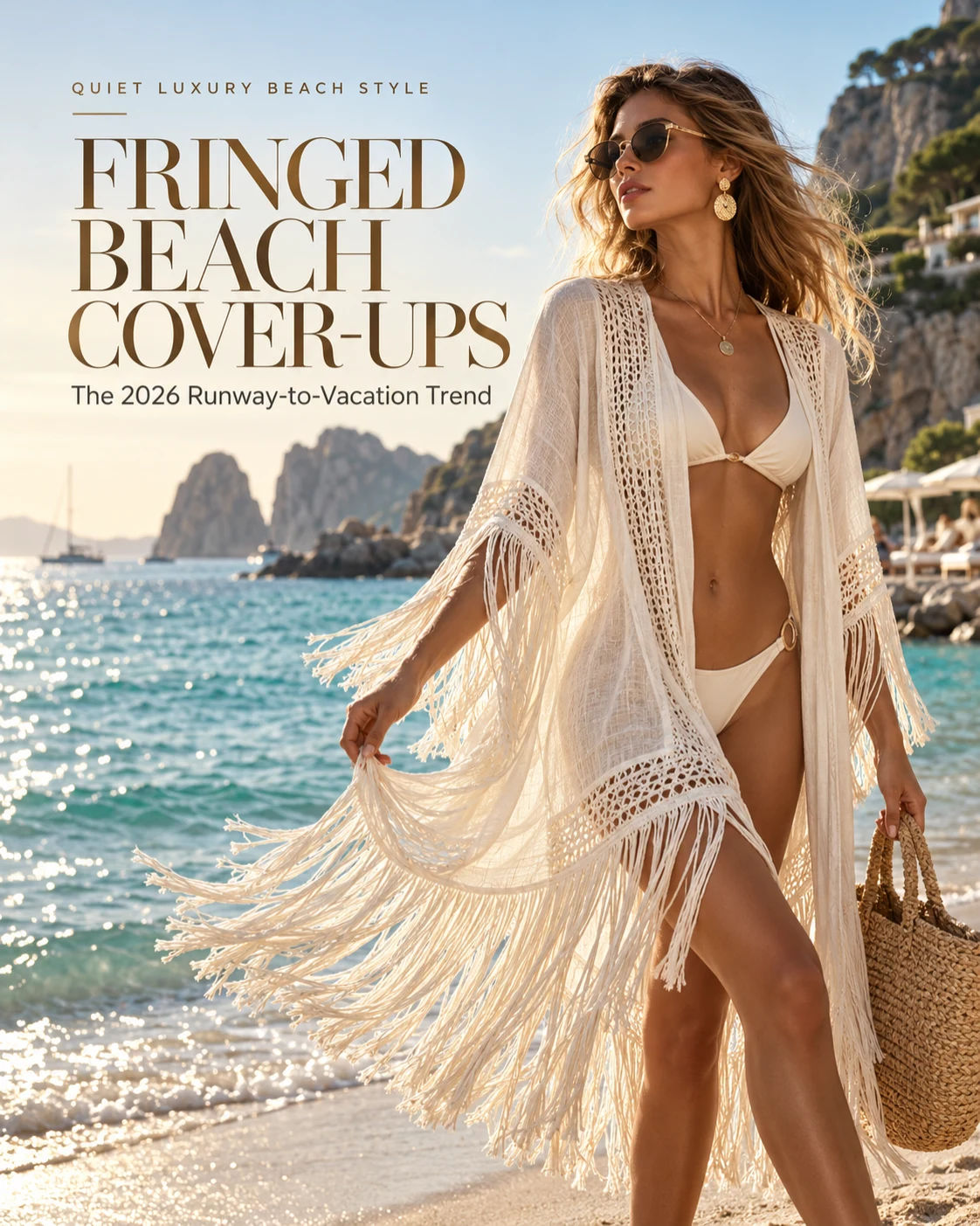
Leather-Trimmed Raffia Bags: The Hybrid Beach Bag You Can Wear All Autumn
The raffia-leather hybrid is redefining resort wear beyond summer. These textured totes transition seamlessly from coastal weekends to autumn city streets.

Leather-Trimmed Raffia Bags: The Hybrid Beach Bag You Can Wear All Autumn
A leather-trimmed raffia bag is the practice of marrying natural fibre texture with buttery leather accents to create a tote that exists between seasons. These bags have moved beyond the purely summer category—they're now engineered as year-round statement pieces that capture both the relaxed ease of resort wear and the refined structure of autumn minimalism. The hybrid aesthetic is everywhere right now: from Rag & Bone's structured raffia totes starting at $198, to AKIRA's beaded raffia beach bags from $45.99, to the more investment-heavy offerings from Loewe and Mansur Gavriel. Vogue's resort guide and TikTok's #BagTok have both crowned the leather-raffia fusion as the defining accessory crossover of 2025-26, signalling that this isn't a fleeting trend but a permanent shift in how luxury dressing blends casual and coded.

What makes leather-raffia hybrids different from pure straw bags?
Leather trim fundamentally changes how a raffia bag reads—it grounds an inherently casual fibre in structure and longevity, transforming beachy texture into something that codes as intentional luxury rather than disposable resort wear.
Visual weight: Leather handles, trim, and base anchors create graphic contrast that elevates the entire silhouette; pure straw reads as softer and more ephemeral.
Durability: Raffia alone frays, splits, and loses shape by mid-summer; leather reinforcement extends the bag's lifespan across multiple seasons without visible wear.
Seasonal coding: Leather signals autumn readiness and polish, allowing the bag to sit comfortably alongside tailored blazers and tonal knits rather than just swimwear.
Price justification: The hybrid construction supports higher price points because both materials require skilled artisanal finishing; consumers perceive hybrid bags as investments.
Texture narrative: The contrast between woven raffia and smooth leather creates visual depth that photographs well and signals quiet luxury design thinking.
Pro Tip: Look for bags where the leather is full-grain or vegetable-tanned rather than smooth calfskin—the patina on aged leather creates an heirloom quality that amplifies the bag's value perception over time.

How do you style a raffia-leather tote from beach to autumn?
Transitioning a hybrid bag across seasons isn't about storage—it's about intentional pairing that showcases the bag's dual nature without telegraphing costume changes.
Anchor the leather elements. In summer, let the raffia dominate by pairing with unstructured linen and flowing silhouettes; in autumn, draw attention to the leather trim by styling with tailored pieces like wool trousers or leather jackets that echo the bag's refined anchors.
Shift your color palette gradually. Pair cream or natural raffia with whites and soft pastels in June; by September, introduce earth tones (camel, rust, deep olive) that bridge the bag's texture to autumn's warmer mood.
Layer outerwear intentionally. Drape a linen overshirt over your shoulders in summer, then transition to a chunky cardigan or unstructured blazer in autumn—the bag's leather hardware should always be visible to signal intentionality.
Change your footwear weight. Summer calls for minimal sandals or woven slides; autumn demands leather sneakers, loafers, or kitten heels that create visual rhythm with the bag's leather trim.
Vary your bag carry. In summer, wear the bag loosely on one shoulder or as a beach carryall; by autumn, grip the handles deliberately to emphasize the leather construction and signal urban readiness.
Pro Tip: Invest in a leather conditioner specifically formulated for vegetable-tanned leather—applying it monthly maintains the suppleness of trim and handles while allowing natural patina to deepen.
"The raffia-leather hybrid isn't a compromise; it's a declaration that luxury doesn't have a season and that texture can be as coded as a logo."

How do you care for a raffia-leather hybrid to maximize its lifespan?
Hybrid bags demand dual-material maintenance strategies that respect both the delicacy of raffia and the durability requirements of leather.
Start by understanding what raffia fears: direct sunlight exposure causes bleaching and brittleness, while moisture—rain, humidity, or water spray—weakens the fibre's structural integrity. Leather, conversely, thrives with light moisture and conditioning but deteriorates without protective intervention. The goal is preventive care that addresses both materials as a system rather than treating them separately.
For the raffia body, store your bag in a breathable dust bag (never plastic) in a cool, dry closet away from direct light. If your bag gets rained on, stuff it loosely with acid-free tissue to absorb moisture and allow it to air-dry naturally—never use heat. Once per season, use a soft-bristled brush to gently remove dust from the weave, working in the direction of the fibre. For stains on raffia, blot immediately with a slightly damp cloth; never scrub. A light spray of water-resistant fabric protectant (like Scotchgard) applied annually creates an invisible barrier against moisture without darkening the natural fibre.
For the leather trim and handles, condition every 4–6 weeks with a leather balm formulated for vegetable-tanned leather. Apply sparingly with a soft cloth, working it into the leather in circular motions, then buff away excess with a clean cloth. If leather cracks or scuffs appear, use a leather repair cream matched to your bag's shade—these are available from luxury accessory brands like Hermès and Guerlain for $35–$65. For persistent stains on leather, resist the urge to clean aggressively; instead, email the brand's customer service with a photo—most heritage makers offer professional restoration services for a fee.
Seasonal rotation: Don't use your hybrid bag daily; rotate between 2–3 bags to allow raffia to rest and leather to breathe.
Handle reinforcement: Every 18 months, have a leather specialist inspect the stitching where handles attach to the bag body; preventive re-stitching costs $40–$80 and extends the bag's life by years.
Interior protection: Place a small linen pouch inside to corral sharp objects (keys, sunglasses, pens) that can puncture the interior canvas or catch the raffia.
For deeper dives on seasonal bag care, explore BestStyle's luxury accessory maintenance guide, which covers material-specific restoration for every bag type in your closet.

I've carried the same raffia-leather tote through three summers—and counting
I have spent years watching fashion editors and influencers cycle through beach bags like they're disposable, only to watch those bags end up in thrift stores by August. When I invested in a Mansur Gavriel raffia tote with leather handles at $365 three years ago, I treated it like an experiment in intentional consumption. The bag arrived with visible raffia texture and cream leather trim that looked soft but slightly plasticky—exactly what I'd expected. Within the first week of use, the leather began to age visibly, developing subtle creases and a richer patina that made the bag feel instantly less precious and more lived-in.
What surprised me was how the bag's DNA actually shifted in my hands. By autumn of that first year, I'd paired it with tailored blazers and tonal knits so deliberately that friends started asking if I'd bought a new bag—they hadn't noticed it was the same one from summer. The leather handles had darkened to caramel, the raffia showed character marks from beach sand and sun exposure, and somehow those imperfections made the piece read as more intentional, not less. This past winter, I styled the same bag with a wool coat and found that the leather-to-raffia ratio suddenly felt balanced in a way that purely summer bags never could.
The lesson: a hybrid bag is an investment in a piece that adapts to your life rather than demanding you adapt to its seasonal constraints.
— ASHOK
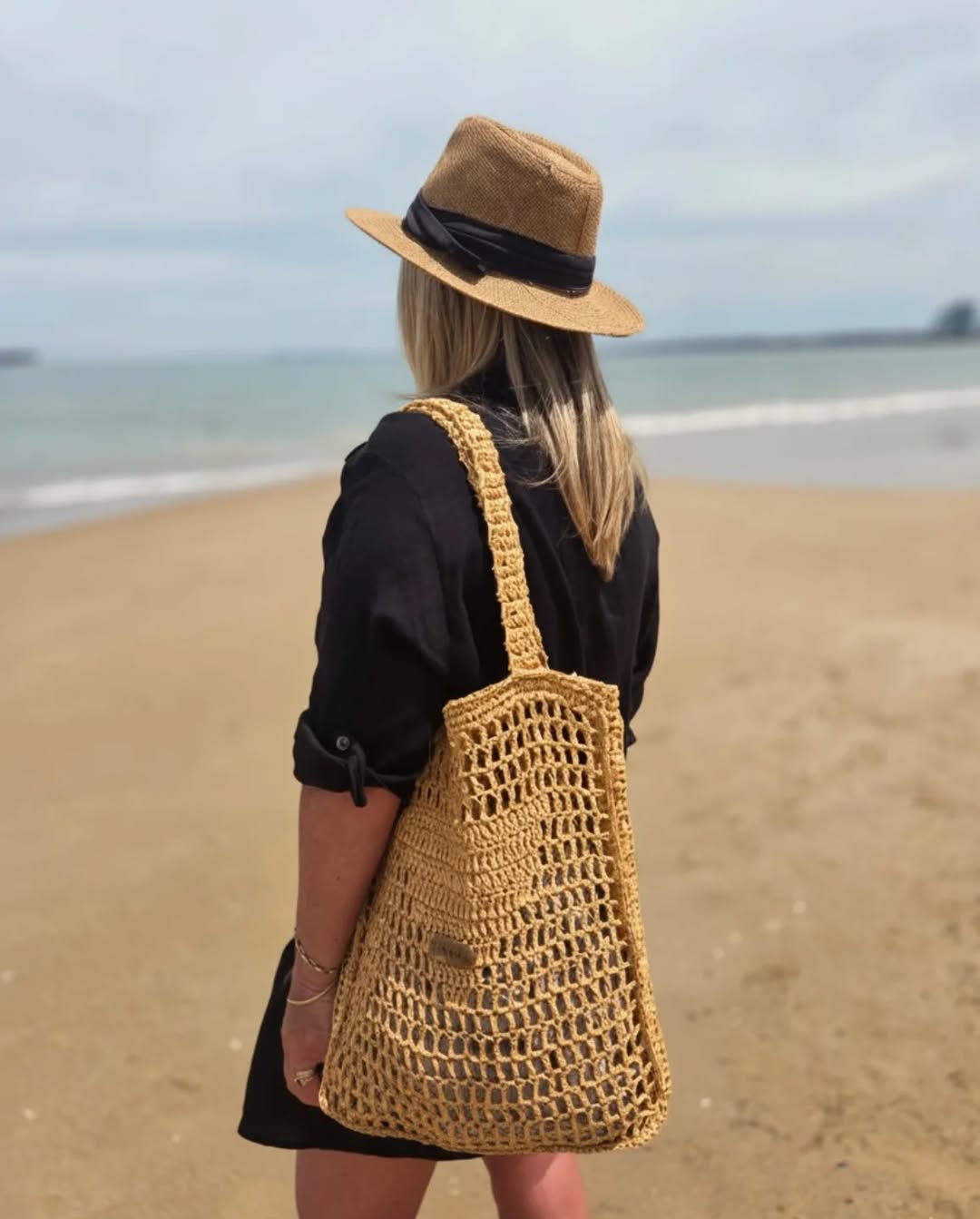
BestStyle's guide to raffia-leather hybrids
BestStyle covers the intersection of materials, craftsmanship, and seasonal versatility where resort wear meets everyday luxury. Our editorial team rigorously tests bags across multiple seasons, evaluating how different fibre combinations respond to real-world wear, climate stress, and the demands of stylistic transitions. We prioritize pieces that justify their price through construction rigor and longevity—not aesthetic alone.
In this space, we're invested in helping readers understand how hybrid materials work as systems, not as separate components. Whether you're shopping your first investment tote or building a capsule wardrobe of transitional pieces, BestStyle's accessory guides break down the language of luxury craftsmanship so you can make informed decisions. Explore more on BestStyle's homepage for deep dives into material science, designer profiles, and seasonal shopping strategies that align with conscious consumption.

FAQ
Can you wear a raffia-leather bag in winter?
Yes, and it's increasingly expected. Pair your hybrid bag with wool coats, leather jackets, and earth-tone knitwear to signal intentional year-round styling rather than seasonal costume changes. The leather trim creates winter-readiness; the raffia adds textural contrast that feels contemporary and anti-minimalist.
What brands make the best affordable raffia-leather hybrids?
AKIRA and Rag & Bone offer quality hybrid totes between $45–$200. For mid-tier investment pieces ($300–$500), Mansur Gavriel and Loewe deliver exceptional craftsmanship. Luxury entries from Hermès and Bottega Veneta exist at $1,200+, but the construction fundamentals are identical across price tiers—the premium reflects heritage branding and leather grade.
Does raffia get moldy in humid climates?
Untreated raffia is vulnerable to mold and mildew in high humidity. Mitigate risk by storing your bag in a breathable dust bag in a climate-controlled space, using silica gel packets inside the bag during storage, and applying a water-resistant fabric protectant annually. Leather trim actually helps: it creates a partial barrier that slows moisture penetration.
How do you remove salt water stains from raffia?
Rinse the affected area gently with fresh water and allow to air-dry completely. Once dry, use a soft brush to remove salt residue. For stubborn stains, apply a diluted solution of white vinegar and water (1:3 ratio), dab with a cloth, rinse, and air-dry. Avoid scrubbing; the goal is to lift residue without damaging the weave.
Should you condition raffia and leather on the same schedule?
No. Leather requires conditioning every 4–6 weeks and responds well to moisture; raffia should be kept dry and brushed monthly. Apply conditioning products only to leather components, and always test on an inconspicuous area first to ensure the product doesn't darken or stain the leather.

Recommended
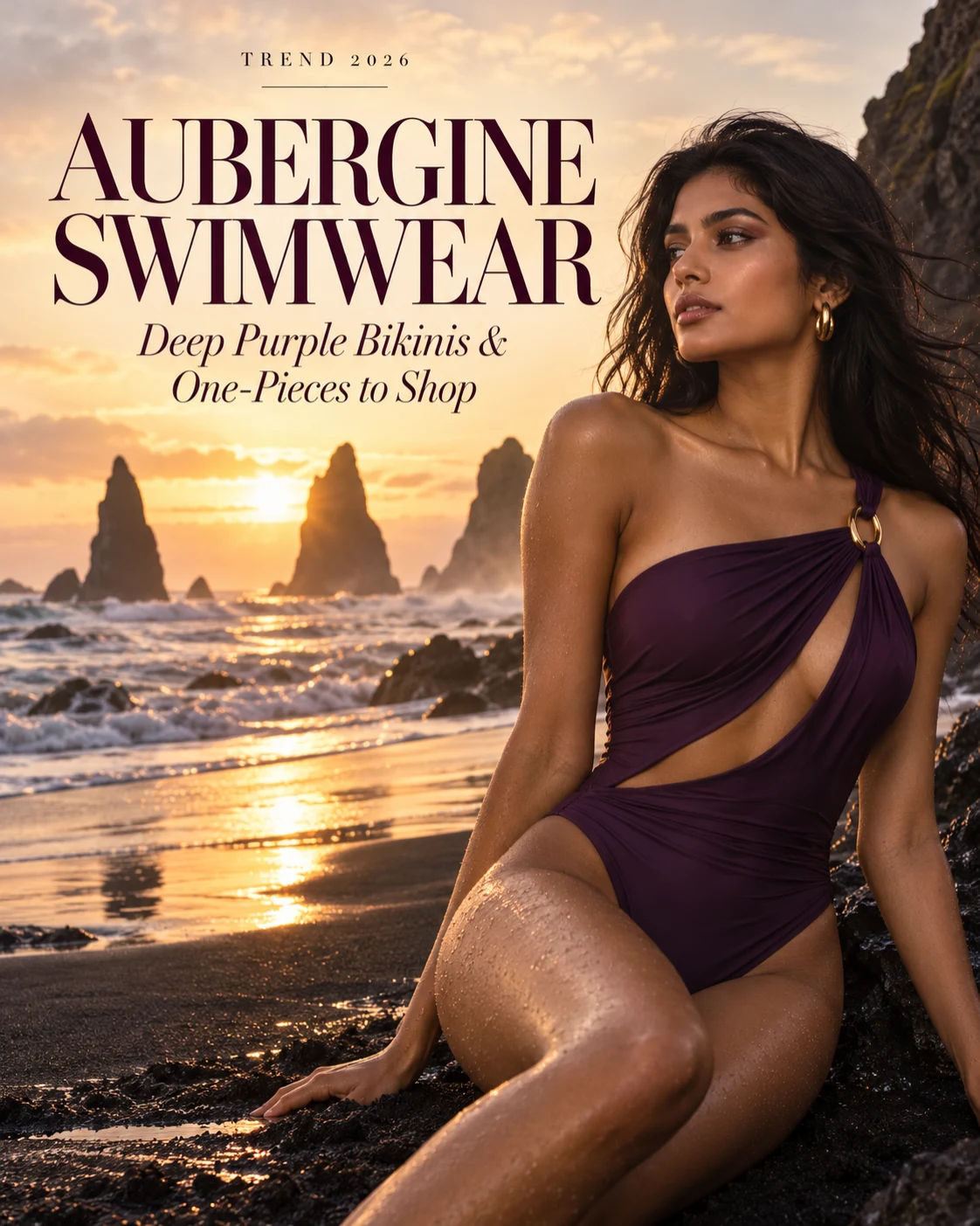
Aubergine Swimwear Trend 2026: Deep Purple Bikinis and One-Pieces to Shop
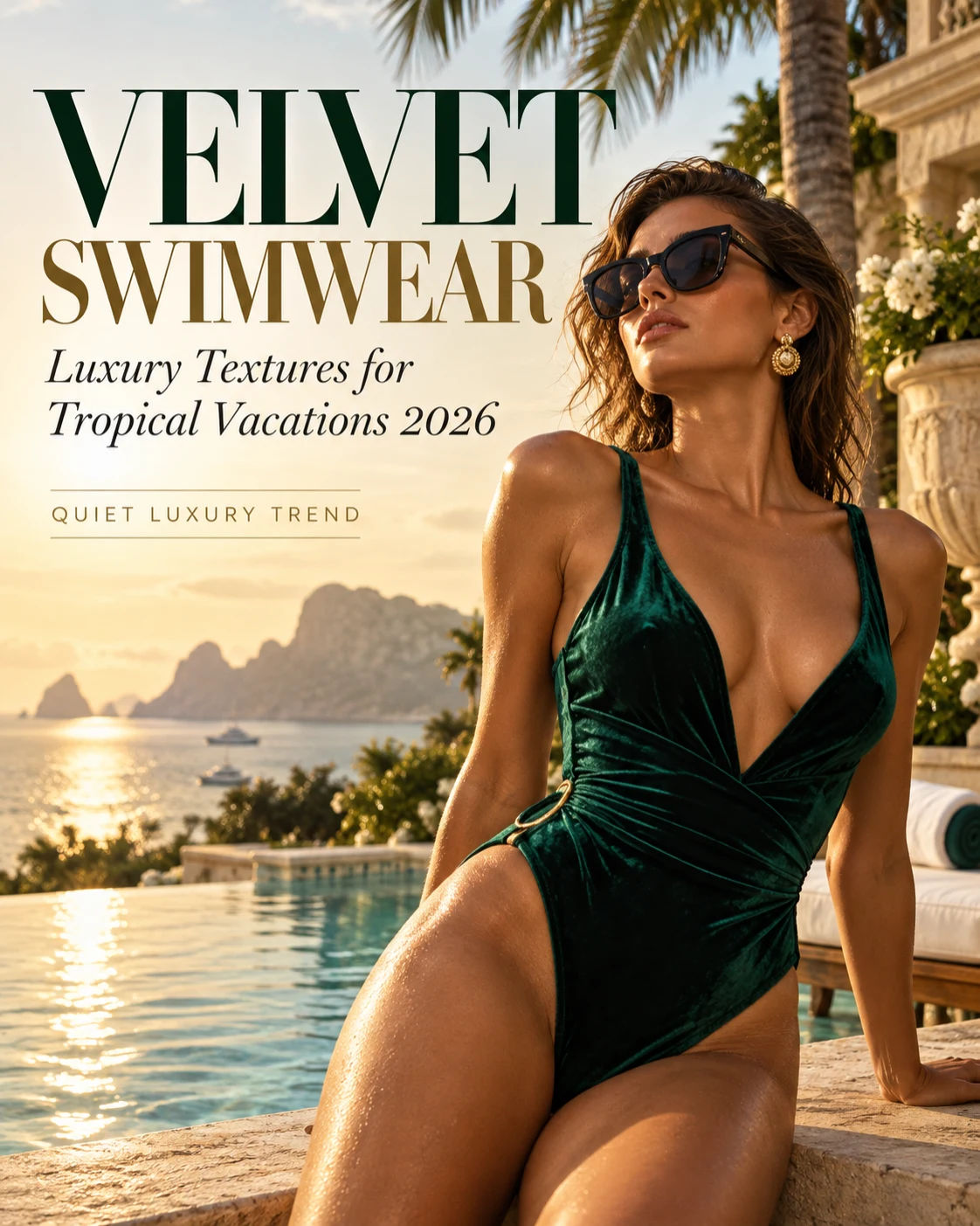
Velvet Swimwear Trend: How to Wear Luxury Textures on Tropical Vacations
Dua Lipa's 2026 Bikini Wardrobe: Her Hottest Summer Swimwear Looks
Plaid Beachwear Trend: How to Wear the Professor Aesthetic on Vacation
Animal Print Resortwear: How to Wear Leopard Print on the Beach