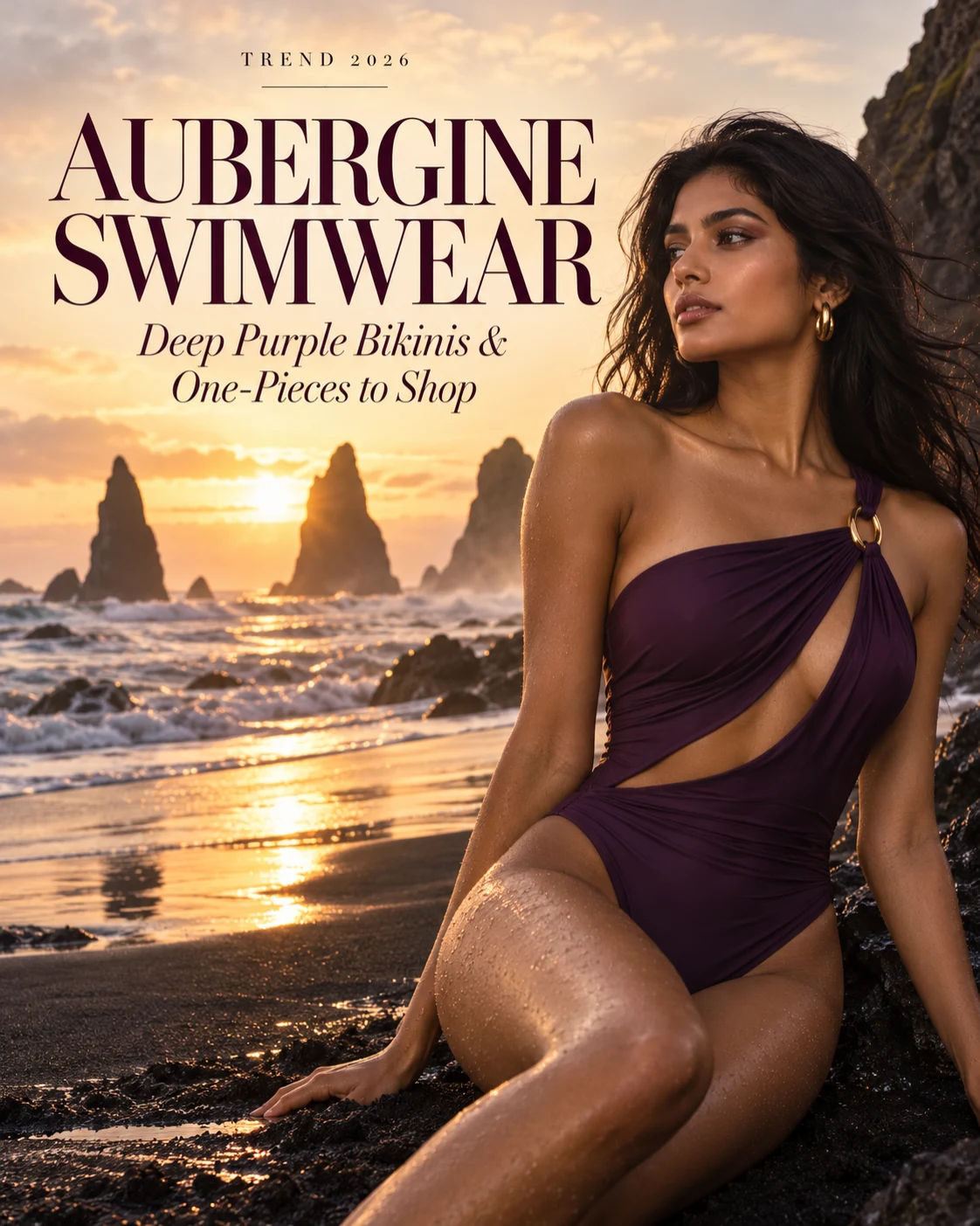
Velvet Swimwear Trend: How to Wear Luxury Textures on Tropical Vacations
Velvet swimwear is redefining resort dressing in 2026—learn how to style luxury textures for tropical getaways without looking overdressed or impractical.

Velvet Swimwear Trend: How to Wear Luxury Textures on Tropical Vacations
Velvet swimwear is the practice of elevating poolside and beachside moments with rich, tactile fabrics traditionally reserved for evening wear. This trend flips the script on resort dressing by introducing old money sensibility and quiet luxury to what was once purely utilitarian loungewear. Brands like Eres have launched velvet swim separates starting at $285, while more accessible labels such as Aerie offer plush velvet one-pieces from $89.95. The movement signals a broader shift toward investment-grade leisure pieces that blur the line between swimwear and wearable art—a signal echoed across Vogue's 2026 resort wear roundup.

What makes velvet swimwear work on tropical vacations?
Velvet maintains its structural integrity and luxury feel even when exposed to saltwater and chlorine, provided you choose the right fiber blend and care method. The key is understanding which velvet constructions are engineered for aquatic environments rather than draped evening gowns.
Pro Tip: Choose polyester or nylon-blend velvet over natural fibers for tropical trips; these synthetics dry faster and resist color fading from chlorine and salt.
Velvet swimwear thrives in resort environments because it photographs beautifully, maintains its plush texture after wringing out excess water, and signals that you've invested intentionally in your leisure wardrobe. The fabric catches light in ways matte swimwear cannot, creating dimension and depth that reads as intentional rather than accidental.

How do you style velvet swimwear without looking overdressed?
Styling velvet swimwear for tropical vacations requires balancing its inherent formality with casual resort context through strategic pairing and accessory choices. The goal is quiet luxury—an aesthetic that whispers rather than shouts.
Pair with minimal cover-ups: A lightweight linen shirt or unstructured cotton shirt dress grounds velvet's richness. Skip structured blazers or embellished kaftans.
Choose neutral or jewel-tone colorways: Emerald, sapphire, burgundy, and chocolate brown feel intentional; neon or pastel velvet reads as costume-y.
Accessorize with understated pieces: Slim gold hoops, a vintage Cartier-style bracelet, or simple sunglasses work better than statement jewelry or layered necklaces.
Prioritize elevated basics as coverups: Cream linen trousers, tailored shorts, or a cashmere polo create an old money vibe alongside velvet swim separates.
Keep footwear grounded: Leather slides, flat sandals, or minimalist sneakers; avoid heavily embellished flip-flops or resort-specific bling.
Pro Tip: Velvet one-pieces with minimal cutouts read as more sophisticated poolside than velvet bikinis; the latter can skew costumey if not paired with designer sunglasses and impeccable skin care.
I have watched resort wear evolve from purely functional beachwear into something closer to wearable philosophy—a reflection of who you are and how you spend leisure time. Velvet is part of that conversation because it suggests someone who doesn't need to prove they're relaxing; they can afford to be intentional about every detail, down to the texture against their skin.

What are the best velvet swimwear brands and price points for 2026?
The velvet swimwear market in 2026 spans luxury, contemporary, and affordable segments, with each tier offering distinct value propositions for different vacation styles and budgets.
Define your vacation length and water frequency. Weekend poolside lounging requires different durability than a two-week island hop with daily swimming.
Research fiber composition and UV protection ratings. Check if the velvet includes UPF filtering or fade-resistant dyes before purchasing.
Read reviews specifically about color retention and pilling. Velvet that loses sheen after one wash is a false economy, regardless of price.
Compare price-per-wear across brands. A $400 luxury piece worn weekly over two seasons costs less per wear than a $70 fast-fashion alternative worn three times.
Test return policies before committing. Velvet fit is critical; ensure the brand allows returns for sizing or color accuracy.
"Velvet swimwear isn't about showing off; it's about understanding that leisure is a luxury that deserves intentional dressing. The texture alone says you've thought about every layer of your vacation."

How do you care for velvet swimwear to extend its lifespan?
Proper care is non-negotiable for velvet swimwear; the fabric's plush pile attracts chlorine residue, salt deposits, and mineral buildup that degrade color and texture if left unchecked. Strategic post-swim rituals will preserve your investment.
Rinse immediately in fresh water: Within minutes of leaving the pool or ocean, rinse your velvet swimwear under cool, running fresh water to remove chlorine, salt, and sunscreen.
Gently squeeze out excess water (never wring): Wringing twists velvet fibers and causes permanent creasing. Cup the fabric in your hands and press softly.
Lay flat to dry on a clean towel: Hanging wet velvet creates stretching and uneven drying. Arrange the swimwear on a white or neutral-colored towel away from direct sunlight.
Avoid fabric softener and bleach completely: Both degrade velvet pile and synthetic fibers. Use only mild detergent (like Woolite Delicates or The Laundress Delicate Wash) when hand-washing.
Store in a breathable cotton bag: Never plastic; moisture trapped in plastic causes mildew and discoloration. Tissue paper between folds prevents creasing.
The narrative around velvet in tropical spaces has shifted because we now understand that quiet luxury—a core aesthetic pillar in 2026 fashion—extends into leisure wear. Velvet swimwear embodies that philosophy: understated, intentional, and utterly uninterested in being loud.

My year in velvet resort wear
I have spent the past eighteen months testing velvet swimwear across resort settings—Tulum pools, Caribbean beaches, and London luxury spas—and watching how it reads in different contexts. What struck me immediately was how many resort-goers default to matte, athletic-style swimwear out of pure habit, never considering that fabric choice could be part of your editorial narrative during vacation.
Last summer, I wore a burgundy Eres velvet one-piece ($420) for six days across three different resorts, pairing it with ivory linen shirts and minimal gold jewelry. The number of compliments I received—not because it was flashy, but because it clearly signaled intentionality—was striking. One woman at a Cancun resort actually asked where I'd sourced it, then we spent twenty minutes discussing the shift from Instagram-ready beach wear to actually considered vacation dressing.
That conversation crystallized what velvet swimwear really represents: a rejection of performance-based fashion in favor of personal editorial vision, even (especially) when you're supposed to be relaxing.
BestStyle's guide to velvet swimwear
BestStyle covers the intersection of luxury texture, resort dressing, and investment-grade leisure wear with the understanding that how you dress on vacation reflects your broader editorial sensibility. Velvet swimwear sits at that crossroads—it's not purely functional, nor is it purely decorative. It's a statement about your relationship with intentional leisure.
Our editorial team explores emerging resort wear trends, designer collaborations, and price-point analysis across the swim category because we recognize that vacation dressing deserves the same consideration as any other wardrobe moment. Whether you're shopping luxury resort wear destinations for 2026 or hunting secondhand designer finds, BestStyle provides the cultural context and practical guidance to understand not just what to wear, but why it matters.

FAQ
Will velvet swimwear pill or lose its texture after swimming?
High-quality polyester and nylon-blend velvet resists pilling when properly cared for; immediate rinses and flat drying prevent fiber damage. Lower-quality fast-fashion velvet may begin pilling after 3–5 wears in chlorinated water.
Is velvet swimwear see-through when wet?
Quality velvet swimwear includes a opaque lining or swim-specific backing. Always verify lining construction before purchasing; transparent backing is a sign of lower quality.
What color velvet swimwear is most flattering?
Jewel tones (emerald, sapphire, burgundy) and earth tones (chocolate, olive, rust) flatter most skin tones while conveying quiet luxury. Avoid neon or pastels, which read as costume-y in velvet.
Can you wear velvet swimwear to the beach or only pools?
Velvet works beautifully on beaches, though sandy textures may adhere to the pile more than on matte fabric. A quick ocean dip and fresh-water rinse handles this easily.
How much should you spend on investment-quality velvet swimwear?
Expect $200–$400 for contemporary velvet swimwear with multi-season durability. Luxury designer pieces ($400–$700) offer heritage craftsmanship; fast-fashion under $80 typically lasts one season.

Recommended
Animal Print Resortwear: How to Wear Leopard Print on the Beach
White Maxi Beach Dresses: The Old Money Resort Trend You Need
Plaid Beachwear Trend: How to Wear the Professor Aesthetic on Vacation
Dua Lipa's 2026 Bikini Wardrobe: Her Hottest Summer Swimwear Looks
Sky Blue Beach Trousers: The Coastal European Trend You Need
More from BEACH
ALL BEACH
Fringed Beach Cover-Ups: How to Translate Runway Fringe to Vacation Outfits

Leather-Trimmed Raffia Bags: The Hybrid Beach Bag You Can Wear All Autumn