The Great Reset: Why 2026 is Swapping AI Perfection for 2016 Grit
In the early 2020s, our digital world underwent a quiet, synthetic smoothing. AI-generated landscapes, hyper-optimized faces, and the uncanny “clean girl” minimalism created a reality that felt increasingly frictionless—and fundamentally hollow. By 2026, the saturation point has been reached. In an aggressive counter-m
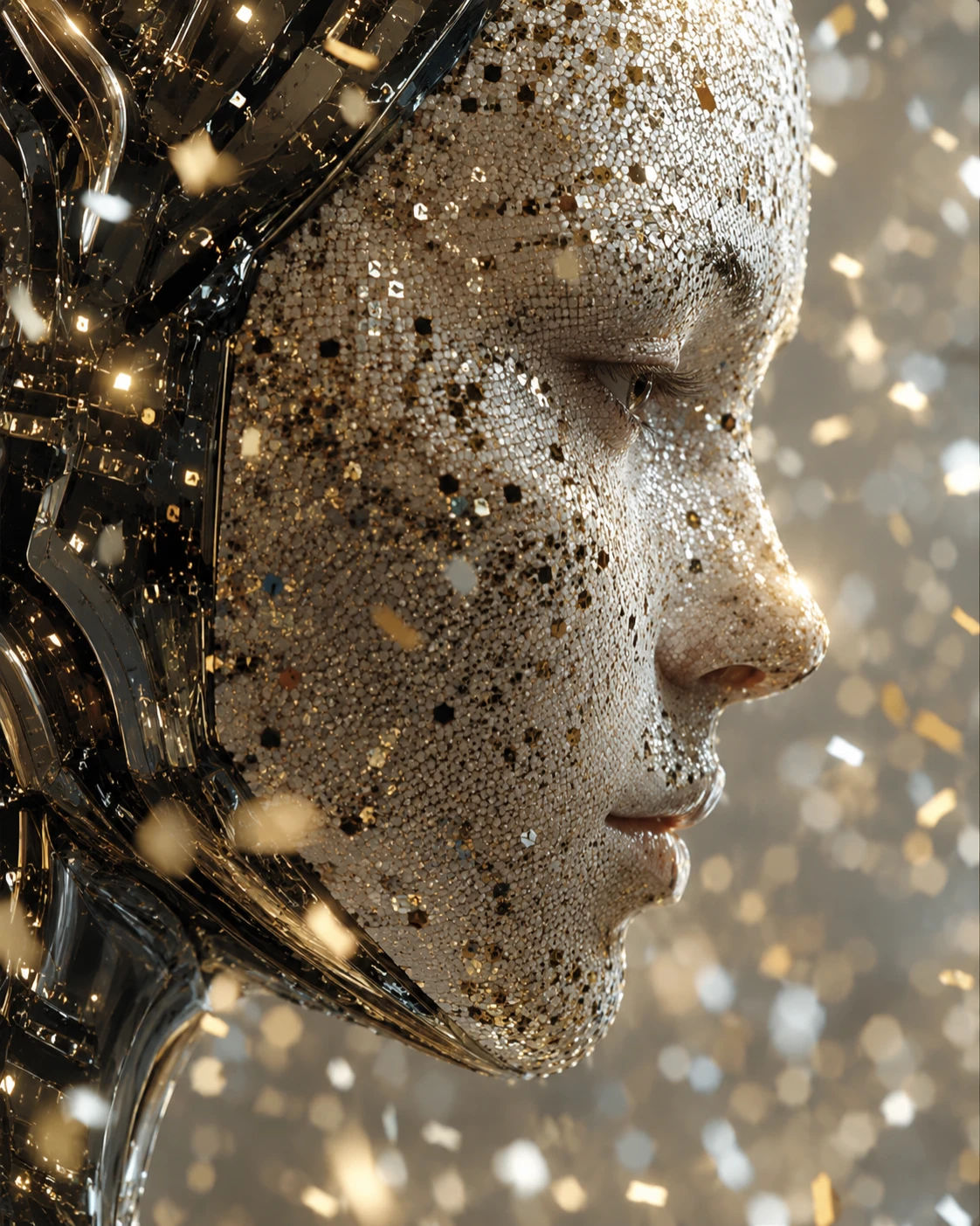
In the early 2020s, our digital world underwent a quiet, synthetic smoothing. AI-generated landscapes, hyper-optimized faces, and the uncanny “clean girl” minimalism created a reality that felt increasingly frictionless—and fundamentally hollow.
By 2026, the saturation point has been reached. In an aggressive counter-movement, the cultural pendulum has swung back toward the grit, the glitch, and the grainy. We are witnessing a “Great Reset”: a visceral return to the 2016-era aesthetic, where overexposed textures and “Snapchat-core” messiness have become the ultimate markers of a non-simulated life.

The Flash as a Truth-Teller
The most immediate sign of this revival is the death of the diffused studio light. In 2026, the status symbol of the digital elite isn’t a perfectly lit portrait; it is the “Night-Flash”—the harsh, direct on-camera flash that defined mid-2010s party photography.
Why has the flash returned? Because AI still struggles to replicate the specific, chaotic interplay of direct light and human skin. The red-eye, the flattened features, and the sharp shadows of a 2016-style snapshot provide visual proof of presence. In a world of deepfakes, the direct flash acts as a forensic tool, illuminating the imperfections—visible pores, stray hairs, and genuine sweat—that certify an image as “human-made.”
The Resurrection of “Indie Sleaze 2.0”
The visual grain of 2016 has found its physical counterpart in the return of Indie Sleaze 2.0. We are seeing a move away from the “Quiet Luxury” of recent years toward an intentional, high-contrast clutter.
The 2026 wardrobe is reclaiming the “unserious” silhouettes of a decade ago:
- The Proportions: Skinny cigarette jeans (up 1,787% in search demand this year) paired with oversized, utilitarian bomber jackets.
- The Hardware: A surge in heavy, distressed metallic studs and the return of the “battered” Balenciaga City bag—carried not as a pristine accessory, but as a worn-in hobo bag that “molds to the journey.”
- The Sentiment: A rejection of the algorithmic “capsule wardrobe” in favor of “personality dressing,” where clashing textures like velvet and distressed leather coexist without rigid logic.
Digital Humanism in a Synthetic Age
Beneath the surface of this aesthetic shift lies a deeper psychological craving: Digital Humanism. Gen Z is leading a quiet migration toward 2010s-era hardware, using older iPhones, digital point-and-shoots, and “lo-fi” filters as a shield against AI-driven perfection.

This isn’t just nostalgia; it is a defensive strategy. By leaning into the technical limitations of older gear—the motion blur, the digital noise, and the “ugly” purple-blue chromatic aberration—users are reclaiming a sense of tangible identity. It is the “Indie” spirit revived: a celebration of the “glitch” as a signifier of the human soul in an increasingly automated world.
The Legacy of the Reset
The 2016 revival is more than a fleeting trend; it is an editorial shift toward a new definition of quality. In 2026, the “premium” experience is no longer about how perfect an image looks, but how much of a story it tells.
The “Great Reset” has taught us that the most valuable thing we can post is a mistake—a blurred frame, a messy room, or a candid laugh caught in a blinding flash. As we move forward, the glitch will remain our most trusted cultural currency, proving that as long as we are messy, we are real.


