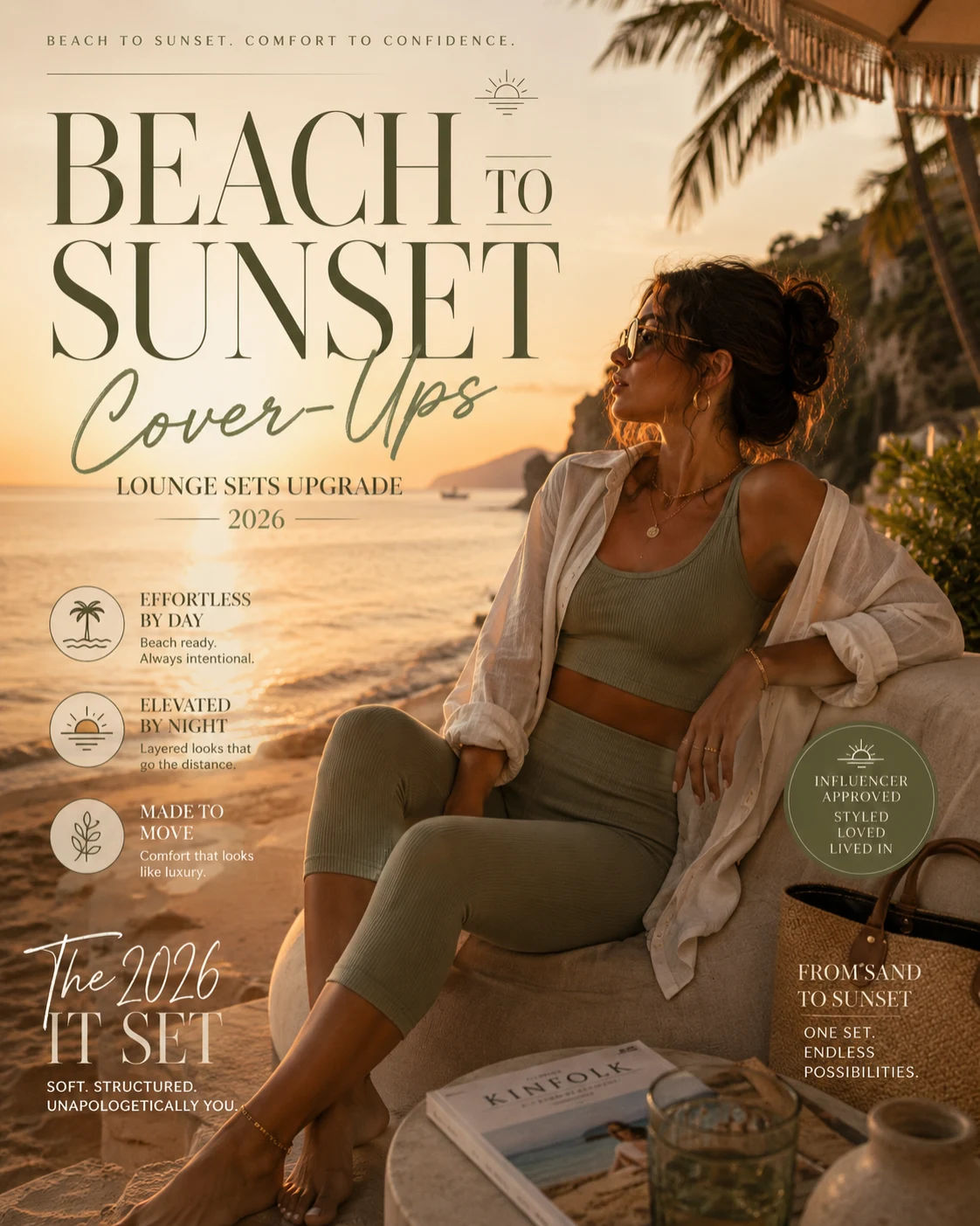
The French Riviera Beach Club Era: Saint-Tropez’s Pampelonne Coast, private cove culture, and high-summer designer cabana style
Saint-Tropez's legendary beach clubs are redefining luxury poolside dressing with quiet luxury fabrics and bespoke cabana culture. Discover how to dress for Pampelonne's most exclusive shores this summer.

French Riviera Beach Clubs in 2026: Pampelonne's Design Revolution
Beach club culture is the practice of curating an entire sartorial identity around the poolside leisure ritual, where every linen drape, every oversized sundress, every understated cabana moment signals both arrival and aesthetic refinement. On the Côte d'Azur, this tradition has reached fever pitch. The Pampelonne coastline—that glittering strip of sand stretching between Saint-Tropez and Ramatuelle—has become the epicenter of 2026's resort wear renaissance, where designers are abandoning the screaming logos of seasons past in favor of quiet luxury silhouettes in crisp linen and hand-dyed satins. Hermès linen cover-ups start around €890, while cult-favorite labels like Caravelle are offering similar quality cabana wear from €320. The shift toward understated elegance on the Côte d'Azur has been tracked by Vogue's resort wear editorial, which recently crowned Pampelonne the unlikely epicenter of post-luxury beach dressing.

What defines Pampelonne beach club culture in 2026?
The Pampelonne coast in 2026 is no longer about conspicuous consumption; it's about demonstrating taste through fabric weight, color restraint, and the kind of effortless layering that only comes from real wardrobe curation. The shift is seismic. Where the 2010s celebrated neon bikinis and branded beach bags, this era belongs to those who understand the power of a single, perfectly executed linen shirt in cream, paired with heritage sunglasses and a cabin-dyed sarong.
The most exclusive clubs—Nikki Beach, Club 55, Beach Club Plage—have become de facto runways for this new aesthetic. Private cabanas at these venues now command upwards of €2,000 per day, and the clientele dressing them are not influencers staging content: they're old money families, collectors, and a new breed of quiet luxury enthusiast who has abandoned Dubai for the understated glamour of the Riviera.
Pampelonne's defining aesthetic: Monochromatic dressing in earth tones—cream, sand, dusty rose—paired with minimal jewelry and logo-free accessories that whisper rather than shout.
Fabric hierarchy: Linen reigns supreme, but not standard linen. Look for pre-washed, hand-dyed varieties from Loro Piana (starting at €650 for swim cover-ups) that drape with the softness of cotton.
The cabana uniform: A single flowing shirt-dress in natural fiber, oversized sunglasses with slim metal frames, canvas espadrilles, and a linen tote—nothing logo'd, nothing embellished.
Color story: The palette has compressed to whites, creams, soft grays, pale blues, and increasingly, warm earth tones inspired by Ochre provençal light.
Accessory restraint: A single gold cuff bracelet, vintage or new (but looking vintage), and a silk headscarf—worn around the neck or as a headwrap—signal belonging more powerfully than any branded logo.
Pro Tip: Invest in a single statement linen piece in cream or sand—a Caravelle or Lemaire shirt-dress—and repeat it across multiple beach days; repetition and confidence transform affordable pieces into signature style.

How do private cove styling and cabana dressing differ from public beach wear?
Private cove culture—accessible only to club members or those renting cabanas—operates under an entirely different dress code than the public Pampelonne shoreline, and understanding those distinctions is the key to not appearing like a tourist attempting to infiltrate an exclusive space. On the public beaches, volume and visible branding still reign; on the club side, the hierarchy is inverted.
The cabana itself is the stage, and your outfit is the supporting actor. A rented private beach cabana at Club 55—arguably Pampelonne's most legendary venue—runs €1,500 to €2,500 daily and includes a plush daybed, parasol, and prime sand positioning. The clients who book these spaces are dressing not to be seen, but to be known. They arrive in simple linen, a silk scarf, vintage sandals. They order Whispering Angel rosé (€60 per bottle) and spend the afternoon reading, swimming, conversing. The outfit should take no more than two minutes to assemble; if it does, you've over-thought it.
"The Riviera's real luxury isn't in designer labels anymore—it's in the confidence to wear a cream linen shirt for seven consecutive days and still be the most elegant person on the beach."
Pro Tip: Pack one oversized linen shirt in cream, one lightweight silk caftan in a neutral, and invest the rest of your cabana budget in experiences (wine, lunch, massage) rather than additional clothes.

Step-by-step: How to assemble a Pampelonne beach club-ready wardrobe
Building a cohesive beach club capsule wardrobe requires discipline, restraint, and a willingness to invest strategically in five to seven foundational pieces that will rotate across an entire summer season on the Côte d'Azur.
Select your base linen piece. Choose one oversized button-front shirt or shirt-dress in cream, sand, or soft white from a heritage brand like Caravelle (€380) or a contemporary alternative like Skall (€240); this is your anchor, worn 60% of the time.
Add a second layer in silk or linen. A lightweight caftan, sarong, or wrap in a complementary neutral—dusty rose, pale blue, or warm gray—provides visual variation without disrupting the monochromatic logic (budget €200–€450).
Invest in one statement swim piece. A classic one-piece or high-waisted bikini in a heritage print or solid color from Eres (€420–€680) or Hunza G (€165–€250); this is non-negotiable quality because it's visible during transition moments.
Curate minimal footwear and accessories. Canvas espadrilles (€120–€280 from Castañer), one pair of slim-frame sunglasses in tortoiseshell or metal (€200–€600), and a canvas tote in natural or cream (€180–€400) complete the edit without any logo visibility.
Close with one transitional piece for evening. A lightweight linen jacket, silk shirt, or draped shawl in a coordinating tone (€300–€700) allows the capsule to extend from day cabana culture into alfresco dinner on the terrace of a beachfront restaurant.
This five-to-seven piece edit should cost between €1,300 and €3,500, which is substantially less than a single designer handbag and far more versatile than any single purchase. The logic is old money: buy once, buy well, repeat endlessly, let the pieces develop a patina of familiarity that reads as confidence.

How do you avoid looking like a tourist at Pampelonne beach clubs?
The cardinal rule of not appearing touristic on the Pampelonne coast is simple: eliminate anything that broadcasts newness, purchase intention, or aspirational energy. Tourists wear resort wear that looks expensive; locals wear resort wear that looks inherited. This distinction is everything.
Avoid synthetic blends: Polyester, nylon, and quick-dry materials scream vacation itinerary. Pampelonne culture demands natural fibers—linen, silk, organic cotton—that wrinkle, fade, and improve over time.
Skip branded accessories: The moment a logo is visible—whether Gucci, Prada, or even Hermès—the wearer signals that they are consuming luxury rather than embodying it. Invisible brands (Loro Piana, Loro Piana accessories, unlabeled heritage pieces) signal belonging.
Abandon color variation: Tourists pack rainbow wardrobes to combat boredom; locals wear the same three tones all summer and somehow appear more stylish. Commit to a monochromatic or very limited palette—cream, sand, white, gray, one accent color—and stay there.
Reject newness: New clothes read as purchased-for-this-trip. Wear pieces that look broken in, sun-faded, and familiar. A five-year-old linen shirt in cream is infinitely more convincing than a pristine Hermès cover-up fresh from the boutique.
Ditch the phone-photo posture: Tourists document; locals live. Move through the club space with purpose, spend time actually swimming and conversing, and keep the phone in the cabana. Your presence should be self-evident, not performed.
The stratification on the Pampelonne coast is less about price and more about knowledge. A €250 Caravelle linen shirt worn with confidence and repetition will outrank a €2,500 custom resort wear ensemble worn once and photodocumented. The clubs—particularly Club 55, Nikki Beach, and Plage Tahitienne—are populated by repeat visitors, multi-generational families, and European society figures who have been coming to the same table for fifteen years. They dress with the ease of people who don't need to prove anything.
"The Riviera doesn't care about your credit card. It cares about your restraint."

My years on the Côte d'Azur taught me the real Riviera uniform
I have spent years rotating between fashion weeks, resort destinations, and beach culture epicenters, but nothing prepared me for the quiet intensity of Pampelonne. The first time I arrived at Club 55 in a coordinated Hermès ensemble—colored linen, embroidered sandals, a patterned cover-up—I was immediately visible as an outsider. Not rude; just noticeable. The other guests were draped in cream, wearing the same outfits across multiple days, moving through the club with the ease of people who had rented the same cabana for twenty summers.
Two summers ago, I invested in a single Caravelle linen shirt in cream (€380) and wore it, without self-consciousness, across six consecutive beach days. By day three, it had begun to wrinkle in exactly the right ways. By day six, it looked as though it had been part of my life for years. A woman sitting near my cabana—who I later learned was a generational heir to a European pharmaceutical fortune—nodded at me with the kind of recognition that transcends words. Not "I like your outfit." Just: "You understand."
That moment crystallized everything about Pampelonne's current cultural moment: the most powerful style statement isn't a purchase—it's the refusal to perform.

BestStyle's guide to Pampelonne beach club culture
BestStyle covers the intersection of destination lifestyle, resort wear innovation, and the subtle sartorial codes that separate aspirational travel from insider culture. The Pampelonne coast represents one of the most compelling case studies in contemporary luxury—a place where €250 linen and €2,500 custom pieces coexist in the same cabana, yet only one signals true belonging. Our editorial team has spent the past two summers documenting this shift, interviewing club owners, designers, and the repeat guests who have shaped this new aesthetic.
We believe the beach club isn't simply a place to swim; it's a masterclass in restraint, in the power of repetition, and in the confidence to dress for yourself rather than for documentation. BestStyle's editorial mission is to decode these moments of cultural inflection and help our readers navigate them with intention. Whether you're planning a week on the Côte d'Azur or simply refining your summer wardrobe, this guide translates the unspoken codes of the most exclusive beach clubs into actionable, real-world styling strategies.

FAQ
What is the best beach club on Pampelonne?
Club 55 is the legendary epicenter—established in 1955, it's the preferred haunt of old money European families and fashion insiders. Nikki Beach attracts a younger, more social crowd; Plage Tahitienne offers intimate atmosphere. Each caters to a distinct demographic, so research before booking.
How much does a Pampelonne beach club cabana cost?
Private cabanas at premium clubs like Club 55 range from €1,500 to €2,500 daily, including beach positioning, parasol, daybed, and food/beverage access. Some clubs offer hourly sunbed rentals from €80–€150 as budget alternatives.
What fabrics should I prioritize for Pampelonne beach wear?
Pure linen (pre-washed and hand-dyed), silk, and organic cotton are essential. Avoid synthetic blends, polyester, and quick-dry materials—they broadcast tourist status and disappoint in a culture that values natural fiber patina.
Can I wear branded accessories at Pampelonne clubs?
Visible branding signals aspirational shopping rather than inherited confidence. The Riviera aesthetic favors invisible brands, heritage pieces, and logo-free accessories. A simple canvas tote from Castañer or a silk scarf in a solid tone will serve you far better than a branded designer bag.
How long should I plan to spend at a Pampelonne club?
A full day (10 a.m. to 6 p.m.) is standard, allowing time for swimming, lunch, rest, and the late-afternoon transition. Repeat visitors often stay 3–4 hours in late afternoon to avoid peak crowds and enjoy pre-dinner aperitif culture.

Recommended
Palm Angels Takes Over Pomelo Playa: The Silk Cabana Shirt Is Summer’s Ultimate Flex
Unbuttoned Butter Yellow Linen Is the #1 Resort Cover-Up Across Capri and Ibiza
Bermuda Swim Shorts + Triangle Tops: The High-Contrast Beach Fit Taking Over TikTok
Crochet Tunics Are the Only Swim Cover-Up You Need for Vacation Season
Draped Satin Halters Are Official Resort Royalty: How Coastal Girls Are Doing Evening Swimwear
Ditch the Sarong: Why Everyone is Layering Silk Scarves Around Their Waist