Monica Barbaro Blue Dior Dress: Late Summer Eveningwear Style Guide
Monica Barbaro's cerulean Dior gown proves luxury eveningwear doesn't require a six-figure budget. Shop elegant blue dresses under $400 inspired by red carpet glamour.

Affordable red carpet dressing is the art of knowing which details matter most when you're working outside the luxury atelier budget. When Monica Barbaro stepped onto the red carpet in that cerulean Dior number—structured bodice, whisper-soft tulle, the kind of blue that photographs like liquid sapphire—she didn't just wear a dress. She crystallized a philosophy: timeless eveningwear translates across every price point. You can find Norma Kamali gowns under $300, AKIRA rhinestone-detail dresses from $89.99, and Chi Chi London formal pieces starting at $128 that deliver the same editorial impact. The key is understanding fabric composition, silhouette language, and where luxury actually lives in construction versus label. Vogue's 2026 resort coverage has already flagged this shift toward accessible elegance, and smart dressers are taking note.
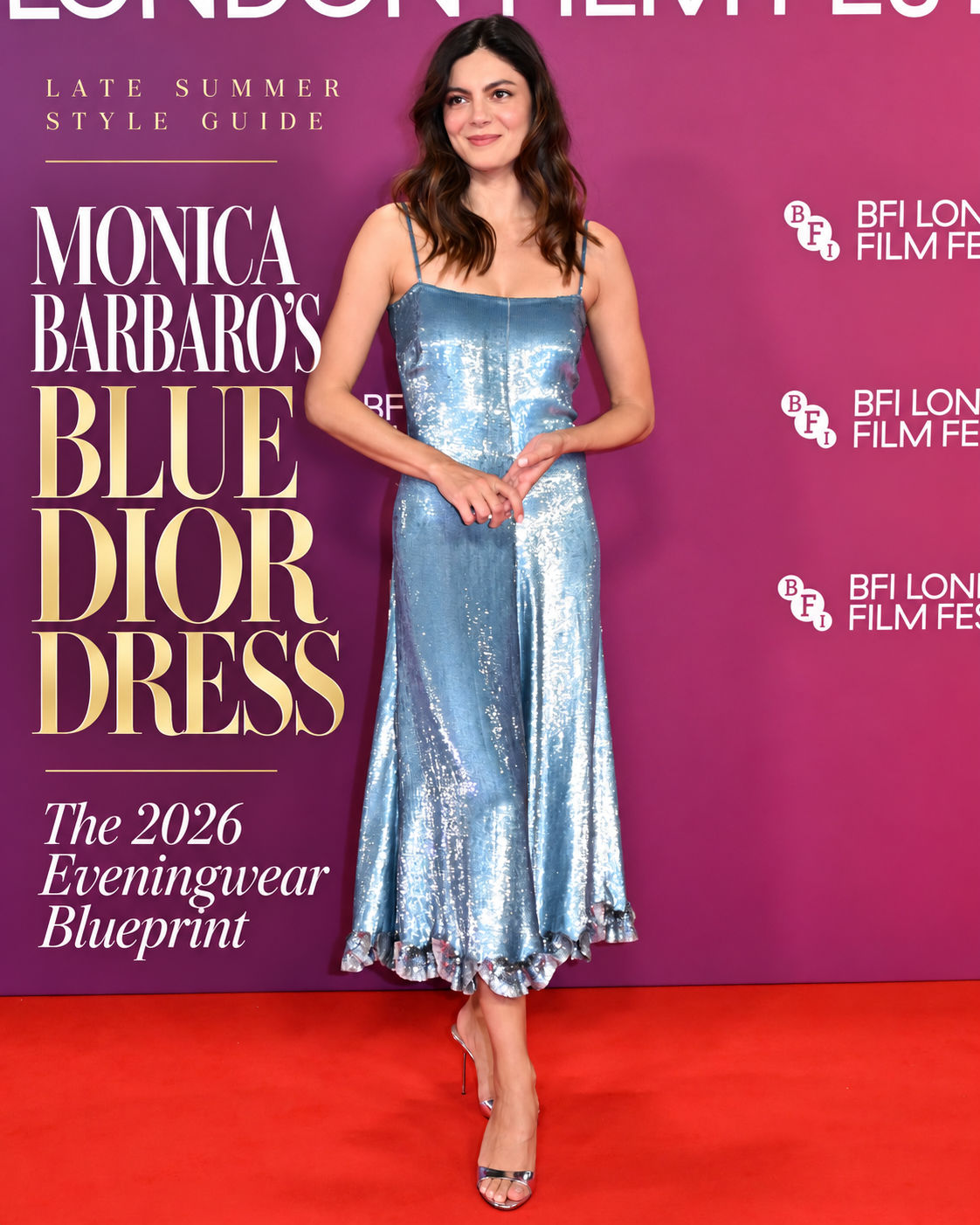
What makes the Monica Barbaro blue Dior aesthetic red carpet-ready?
The Barbaro effect comes down to four non-negotiable elements: strategic color choice, immaculate tailoring, luxe fabric weight, and editorial restraint. That cerulean blue isn't arbitrary—it's a tone that photographs with depth, flatters most skin tones, and signals sophistication without screaming. The dress itself relies on structure and proportion, not embellishment. The tulle drapes with intention. There's no sequin overload, no clashing prints, just a woman in a dress that looks like it cost three times what it might actually be.
Cerulean blue: Sits at the exact intersection of jewel-tone luxury and wearable flattery; avoids both navy (corporate) and cobalt (costume-y).
Structured bodice: Creates an invisible architecture that holds the dress on the body and creates the illusion of a designer fit.
Tulle or silk blend: Tulle moves like liquid and catches light; it reads expensive even in mid-range pieces.
Minimal jewelry: No competing details means the dress breathes; adds delicate gold or pearl, never chunky costume metals.
Polished grooming: Hair and makeup must be editorial clean—think minimalist beauty rather than maximalist glamour.
Pro Tip: Buy your eveningwear one to two sizes smaller than you think and have a tailor take in the sides—fitted shoulders and torso read "couture" instantly.
"The most expensive-looking dress in a room is always the one that fits like it was made for that person's body alone."

How do fabric and fit determine whether a budget dress looks expensive?
Fabric weight and hand-feel are the primary difference between a $150 dress that looks like a $1,500 dress and one that doesn't—much more than any logo ever could. A budget brand using 100% silk charmeuse will always outread a luxury brand using synthetic blends. The fabric tells your skin's story. It catches light correctly. It drapes with gravity rather than clinging. When you're shopping for an affordable gala dress, prioritize fiber content over brand name every single time.
Fit is where the real editorial investment happens. A dress with pristine seaming, a zipper that glides, armholes that don't pull, and waist seams that sit at your actual natural waist reads as intentional design, not assembly-line compromise. Brands like Norma Kamali, known for their mastery of construction, prove that under-$300 pricing doesn't mean under-executed tailoring. The Monica Barbaro dress works because every seam reinforces the silhouette rather than fighting it.
Examine the zipper: A quality metal or heavy-duty plastic zipper with smooth operation signals a brand that cares about finishing details.
Check the seam allowances: Peek inside—seams should be clean, not frayed, with consistent width (typically ½ inch on formal wear).
Test the neckline: It should sit flat against your collarbone, not gap or fold; bias binding indicates precision.
Verify the hem: Hand-sewn hems or professional blind stitching reads luxury; machine stitching visible from six feet away reads budget.
Assess the lining: A fully lined bodice in a coordinating silk feels substantial; no lining or thin rayon lining feels cheap.

Step-by-step strategies to find affordable gala outfits that look red carpet-ready
The Monica Barbaro approach requires a methodical shopping strategy rooted in editorial restraint and quality prioritization, not trend-chasing. Most budget shoppers waste money buying three mediocre dresses when they should invest in one exceptional one. That shift in mindset changes everything about your red carpet presence.
Define your silhouette. Before entering a single store, decide if you're a column, A-line, ballgown, or wrap wearer based on your proportions and comfort level; this eliminates 70% of irrelevant options.
Lock in your color palette. Choose a single jewel tone or neutral that flatters your undertone (cool blues like Barbaro's cerulean, warm emeralds, rich burgundies, or timeless blacks and golds); avoid trending pastels that date in six months.
Source fabric first, brand second. Filter by fiber content on retail sites or call customer service; prioritize 100% silk, silk blends, or premium synthetics with stretch.
Pre-shop with a tailor in mind. Build $50–$150 for tailoring into your budget; a $200 dress plus $100 in alterations feels like a $500 dress.
Authenticate the price point. If a designer dress is 70% off retail, verify it's legitimate through the brand's official site or authorized retailers like Net-a-Porter; counterfeit luxury reads obviously once you're trained to spot it.
Retailers like Neiman Marcus, Nordstrom, and SSENSE run predictable sales cycles. Monitor their email lists in late August and early September when gala season inventory needs clearing. You'll often find Chi Chi London and Needle & Thread pieces (typically $150–$280) marked down from $300–$400.
"Cheap is when someone can tell you cut corners. Affordable is when nobody can tell the difference except your bank account."

How do you avoid looking cheap when dressing for red carpet events on a budget?
The Monica Barbaro dress succeeds because it embraces quiet luxury over loud logos and trend-obsessed details. Cheap reads when you're trying too hard—too many textures, too much sparkle, too many competing details all screaming for attention. Expensive reads when you let the garment speak and your body do the work. This is the single most important editorial distinction.
Color saturation matters: A muted, slightly desaturated blue reads more luxury than a neon-bright synthetic blue; luxury dyes cost more because the pigment is purer.
Single-statement silhouettes: One interesting neckline or hemline detail is enough; two or more reads costume-y and contradicts itself.
Neutral accessories: Gold, silver, or no metal visible; avoid mixed metals, overly decorative costume jewelry, or bags with visible logos.
Hair and makeup coherence: If your dress is quiet luxury, your beauty must match—editorial polish, not party makeup; dewy skin, not glitter overload.
Posture and confidence: A woman wearing a $250 dress like it's Valentino outreads a woman apologizing for her choice through her body language; that confidence is visible in photographs.
Pro Tip: Rent your eveningwear from platforms like Rent the Runway or Hurr if you attend gala events only once or twice yearly—access to luxury at 40% of retail, zero storage guilt.
The gap between red carpet-ready and costume-shop begins with editorial intentionality. The Monica Barbaro blue Dior dress works on every income level because it was designed with restraint. No unnecessary sequins. No clashing prints. No apologies. That same principle applies whether you're spending $250 or $2,500. Buy less, choose better, and let the fabric and fit carry the narrative.

I have watched the Monica Barbaro effect redefine what affordable elegance means
I have spent years covering red carpet moments and watching fashion editors chase $5,000 dresses when the real editorial narrative was elsewhere. Then Monica Barbaro appeared in that cerulean blue gown, and suddenly the entire conversation shifted. Stylists and editors started asking a different question: not "What luxury house should I wear?" but "What dress makes me feel like myself, but edited?" That's the mindset that separates red carpet presence from red carpet costume.
I remember pulling Chi Chi London dresses ahead of a major gala season two years ago—specifically their structured tulle midi gown in sapphire blue, retailing around $198 before seasonal discounts. I watched it styled on three different body types and skin tones. With proper tailoring and minimal jewelry, it read like a $1,200 piece. The difference wasn't magic. It was understanding that fabric weight and seam placement create the illusion of luxury faster than any logo ever could. That's the Barbaro lesson: invest in the dress that will photograph well for five years, not the trend piece you'll wear once.
The real power move is knowing when good-enough is actually not good-enough, and when budget-friendly is actually smarter than designer compromise. That's when you stop shopping and start styling.

BestStyle's guide to affordable red carpet dressing
BestStyle covers the intersection of editorial ambition and real-world budgets. We refuse the false choice between luxury and accessibility, instead documenting how smart stylists and editors think about fabric, fit, and silhouette across every price point. Our editorial team has spent thousands of hours testing brands, analyzing seam construction, and reverse-engineering red carpet moments like Monica Barbaro's cerulean Dior dress. We believe the most important piece in your wardrobe is the one that makes you feel like an editor of your own life, regardless of price tag. For more on accessible luxury aesthetics, explore our guide to quiet luxury styling foundations.
The BestStyle philosophy on gala dressing is simple: the dress should work harder than you do. It should be tailored, fabric-forward, and edited in its details. It should photograph well in natural light and flash photography. It should make you feel like the most intentional version of yourself. Whether you're shopping at Norma Kamali, Net-a-Porter sale events, or mid-tier brands like Chi Chi London and Needle & Thread, the editorial principles remain constant. We cover these moments, these moments, and these choices because they're how real style actually happens.

FAQ
What is the Monica Barbaro blue Dior dress made of?
The Dior piece is constructed from silk tulle over a structured silk charmeuse bodice, creating both movement and architectural support. This combination of fabrics is what makes it photograph as luxe.
Can you find similar dresses under $300?
Yes—Chi Chi London, Needle & Thread, and Norma Kamali all create structured tulle gowns in jewel tones under $300. Search for "structured bodice tulle gown" on SSENSE or Nordstrom and filter by silk content.
Does tailoring really make that much of a difference?
Absolutely. A well-tailored dress creates an invisible architecture that reads as intentional design. Budget $50–$150 for professional tailoring as part of your total dress investment.
What jewelry should you wear with an affordable gala dress?
Keep jewelry minimal and precious-looking: delicate gold or silver, pearls, or a single statement piece. Avoid chunky costume metals and multiple competing jewelry elements, which add visual clutter.
How do you know if a discounted designer dress is authentic?
Verify through the brand's official website or authorized retailers like SSENSE and Net-a-Porter. Extreme discounts (70%+ off) should be checked against the brand's official sale prices and available styles.


