Red Sequin Dresses 2026: How to Wear Jane Fonda's L'Oréal Runway Look
The red sequin dress is back—and this time it's channeling old money elegance. Learn how to steal Jane Fonda's L'Oréal runway moment without the luxury price tag.
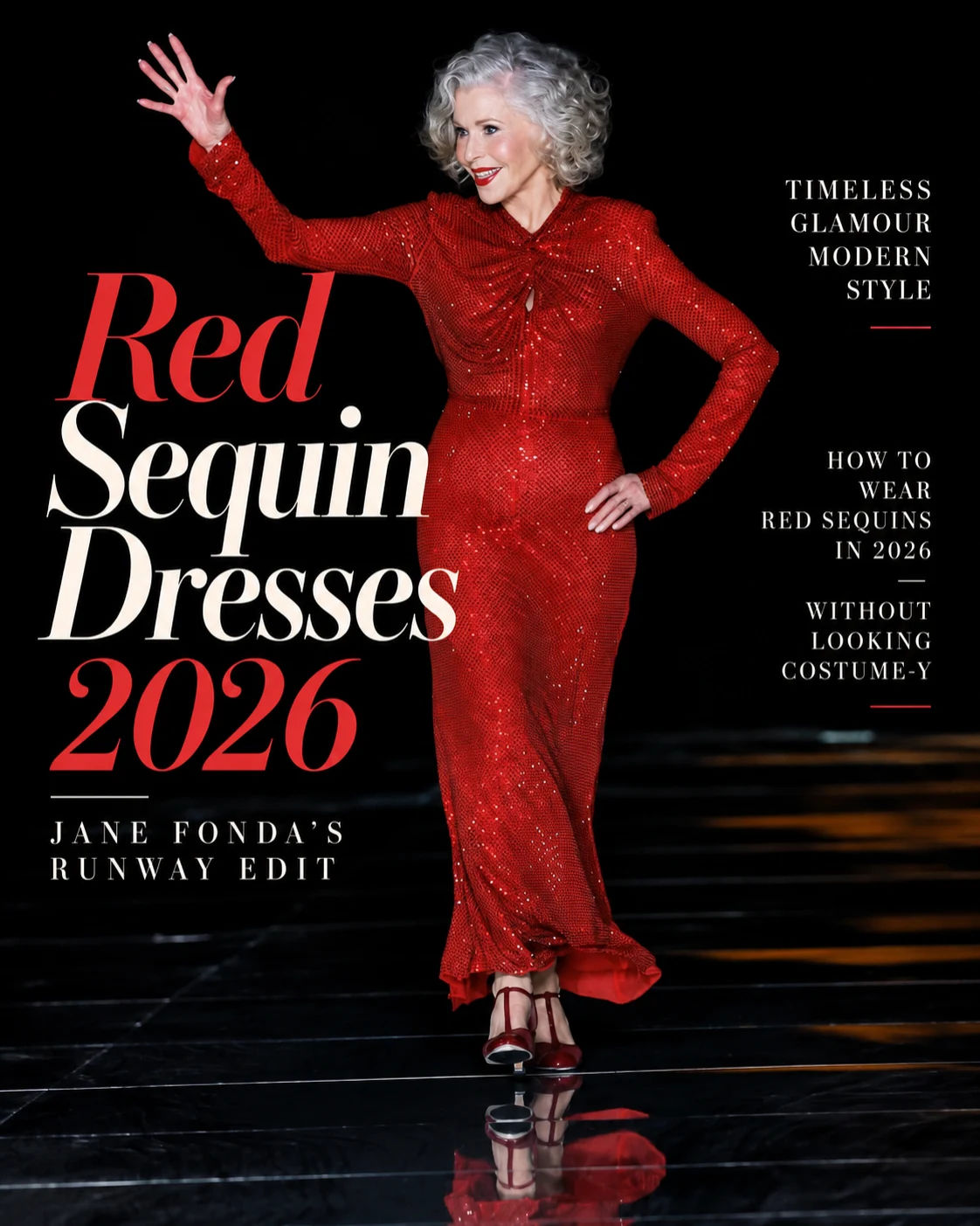
Red Sequin Dresses 2026: Jane Fonda's Runway Edit
The red sequin dress is the practice of balancing maximalist shine with quiet luxury restraint—a paradox that separates the overdressed from the iconic. Jane Fonda's recent appearance in a custom L'Oréal sequined gown at a Paris runway event reignited the conversation: how do you wear red sequins in 2026 without looking costume-y? The answer lies in fabric weight, silhouette discipline, and strategic styling. You can capture this aesthetic with accessible options: AKIRA sequin slip dresses from $49.99, Lulus red sequined rentals starting at $88, or even Zara's limited-edition sequin minis under $120. The resurgence signals that sequins are no longer confined to holiday parties—they're legitimate red carpet currency, as confirmed by recent coverage in Harper's Bazaar and Vogue's Fall Trend Forecasting.
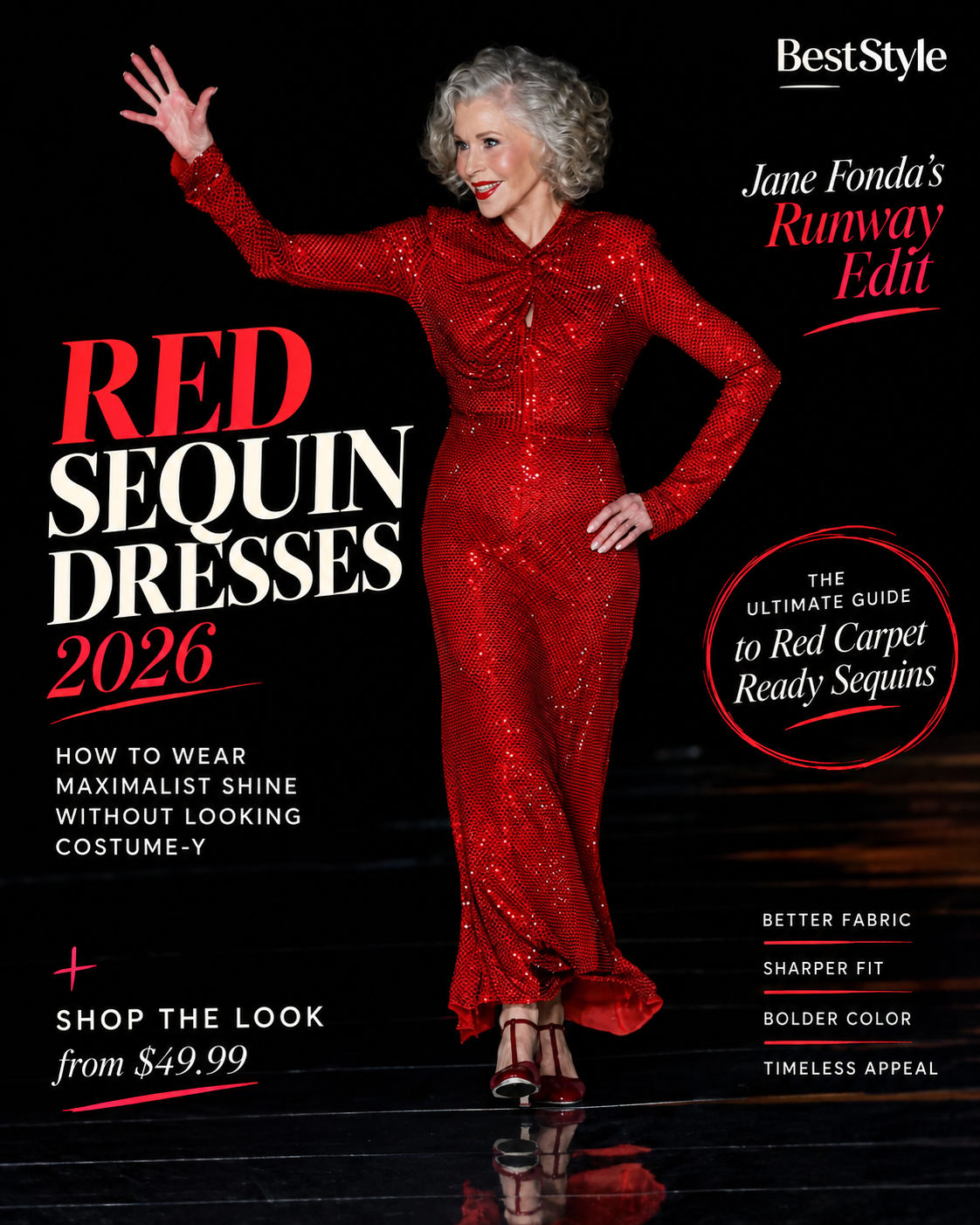
What makes Jane Fonda's sequin moment timeless in 2026?
The fabric choice and cut of Fonda's L'Oréal gown elevated it beyond typical sequin fatigue: a fluid, bias-cut column that let the sequins drape rather than cling. The dress succeeds because it respects proportion and fabric weight, two elements that determine whether sequins read luxury or costume.
Fabric weight matters: Heavy-duty sequin mesh holds its shape and reflects light uniformly, whereas thin polyester sequins bunch and create uneven shine. Fonda's dress used hand-applied sequins on silk charmeuse—the foundation fabric that keeps the garment from feeling plastic.
Silhouette restraint: The gown featured a floor-length column with minimal ruching, letting the sequins do the talking without competing pattern or embellishment density. 2026 sequins favor minimalist cuts over heavily gathered or ruffled silhouettes.
Color saturation: True red sequins—not burgundy, not orange-red—carry an almost aggressive confidence that works only on confident dressers. Fonda's age and bearing made the boldness feel earned rather than compensatory.
Neckline simplicity: A classic round neck and sleeveless cut prevented the sequins from overwhelming the upper body. The collarbone and shoulders stayed bare to create visual relief.
Pro Tip: If you're shopping affordable red sequin dresses, prioritize those made from nylon sequins on a jersey or knit base rather than poly-mesh blends—they move better and hold their shine longer than cheaper alternatives.

Jane Fanda's Red Rhinestone Mesh Twist Midi Dress by Self-Portrait
How do fabric and fit determine whether a budget dress looks red carpet ready?
The difference between a $60 red sequin dress and a $600 one isn't magic—it's material science and construction detail. A red carpet-ready sequin dress on any budget requires understanding how fabric behaves under light and movement.
Pro Tip: Check the fiber content on the tag: if it says "100% polyester sequins on 100% polyester backing," pass—you're paying for a garment that will flatten and pill after one or two wears.
"Sequins in 2026 are not about covering the body in shine—they're about creating selective radiance. Restraint is the new excess."
Fit directly impacts how sequins read on camera and in person. A dress that's too loose creates bunching and uneven sequin direction; too tight and the sequins stretch unevenly, creating visible gaps in coverage. Fonda's dress featured a precise bodice seam that held the sequins in alignment from shoulder to hip, then released into a gentle A-line that flowed without clinging.
Check the garment's core seam placement: The side seam should sit directly at your natural waistline or slightly forward. If it drifts toward the back, the sequins will spiral and distort.
Measure the bust, not the dress. Lay the dress flat and measure across the bust seam (armpit to armpit, then double). Your measurement should be 2–3 inches larger than your actual bust for sequin dresses specifically—they need more breathing room than regular fabric.
Assess neckline depth at the seamstress stage. If ordering online, budget $40–$80 for professional tailoring to adjust neckline, length, and side seams. Sequin dresses rarely fit perfectly off-the-rack.
Verify hem allowance capacity. Sequin dresses are harder to hem than regular dresses because the sequins must be removed from the hem area, adjusted, then hand-reapplied. Ask the tailor if they have experience before committing.
Try the dress with the exact shoes you'll wear. Heel height directly impacts the visual proportion of a floor-length sequin dress. A half-inch difference changes the line entirely.

Credit: Instagram | @voguegermany
Jane Fanda's Red Rhinestone Mesh Twist Midi Dress by Self-Portrait
Step-by-step strategies to find affordable gala outfits that look red carpet ready
Shopping a red sequin dress on a budget requires a methodical approach: retail excavation, rental consideration, and styling amplification to create the illusion of couture investment.
The hunt starts with recognizing that 2026's best red carpet sequin buys exist in three categories: end-of-season clearance from luxury department stores, dedicated rental platforms like Rent the Runway and HURR (where you can rent a $500 dress for $75–$150), and contemporary bridge lines that crack the code between fast fashion and investment pieces. Norma Kamali's red sequin minis hover under $300 and carry genuine runway credibility. BHLDN offers Reformation-adjacent sequin options in the $200–$400 range, while Revolve's curated selection includes brands like superdown ($89–$169) and Nookie ($130–$280) that deliver video-friendly construction without the price point.
Strategic shopping timing matters: red sequin dresses drop in July (holiday preview season) and January (post-holiday clearance). Set alerts on Farfetch, SSENSE, and Browns Fashion for flash sales. Follow brand Instagram accounts and join their VIP mailing lists—many brands offer 15–25% off codes before major events.
Once you've identified a candidate dress, vet it through four questions: (1) Is the sequin pattern consistent and intentional, not sparse or random? (2) Does the neckline sit flush against your body without gaping? (3) Are the seams finished cleanly on the inside? (4) Is the hem either hand-finished or reinforced for alterations? If three of four are yes, the dress is worth buying or renting.

Jane Fanda's Red Rhinestone Mesh Twist Midi Dress by Self-Portrait
How do you avoid looking cheap when wearing budget sequin dresses on a red carpet?
The sequin dress itself is only 40% of the equation; the other 60% is execution, grooming, and contextual styling that signals intentionality rather than compromise.
Fonda's L'Oréal appearance succeeded because every element outside the dress was refined to near-invisibility. Her hair was a soft, sculpted bob—not competing with the sequins. Makeup was neutral and matte, letting the dress shine without fighting for attention. Jewelry was minimal: small diamond studs and a thin gold bracelet. Shoes were classic black satin pumps. This restraint principle is non-negotiable when wearing a sequin dress at any price point. If the dress is doing the talking, everything else whispers.
Budget-conscious sequin dressing also requires strategic layering. A long, tailored camel coat or black satin blazer worn over a sequin dress immediately elevates the whole look into "intentional style moment" rather than "party dress." This tactic works because it adds another fabric weight and silhouette element that disrupts the "all sequin all the time" visual. Pair a $79 AKIRA sequin slip with a $120 Zara wool coat, and the total investment ($199) reads as thoughtful styling, not economizing.
Footwear and bag choices are the final arbiters of cheap versus chic. A red sequin dress paired with rhinestone heels and a metallic clutch screams costume; the same dress with matte black pumps and a structured leather minaudiere reads editorial. The rule: one textured piece (the dress), everything else matte, minimal, or classic. This principle keeps even the most affordable sequin dress from veering into Vegas bride territory.
Color coordination matters too. Red sequins demand that outerwear and accessories stay in the cool or neutral spectrum: blacks, navies, silvers, golds, creams. Warm tones (camel, rust, warm bronze) fight with the red and cheapen the overall impression.

Jane Fanda's Red Rhinestone Mesh Twist Midi Dress by Self-Portrait
In my years covering red carpet fashion, sequin dressing has taught me restraint
I have spent years watching celebrities and civilians alike make the same sequin mistake: they buy the dress, assume the dress does all the work, and wonder why they look overdressed rather than iconic. The sequin dress is seductive because it promises instant glamour, but it delivers only if you understand its paradox—more shine requires more restraint everywhere else.
I watched a young editor at a Vogue event last year pair a gorgeous $95 AKIRA red sequin slip dress with a statement belt, chandelier earrings, a metallic clutch, and nude block heels. The dress was fighting for attention against five other visual elements. Then Jane Fonda walked past in that L'Oréal gown—sequins, black pumps, studs, a soft updo—and the difference was instantly visible. Same dress category, two completely different energy levels. One looked like she was trying; the other looked like she simply showed up.
The cheapest-looking red sequin dress isn't always the most affordable one—it's the one styled without editing.

Jane Fonda's Salomés Baya Heels by Repetto Paris Heels
BestStyle's guide to red sequin dresses
BestStyle covers the intersection of accessibility and aspiration—how to wear trends, pieces, and moments that usually feel out of reach. The red sequin dress is a perfect case study: a piece that exists across every price point, from $30 fast fashion to $3,000 designer, but looks expensive only when styled with precision and confidence. Our editorial team has spent years deconstructing why certain sequin dresses read luxury while others read costume, and the answer always comes down to the same factors: fabric weight, silhouette restraint, fit precision, and styling context.
We believe that a budget red sequin dress can compete with luxury versions when you understand construction, tailoring, and the psychology of elegant styling. This season, we're documenting the red sequin renaissance as it connects to broader 2026 trends: the return of maximalist pieces styled with minimalist restraint, the rise of gala culture among Gen Z and millennial audiences, and the democratization of red carpet dressing through rental platforms and accessible brands. Whether you're renting a Tadashi Shoji sequin gown or buying an affordable AKIRA slip, the principles remain constant.

Jane Fonda's Salomés Baya Heels by Repetto Paris Heels
FAQ
Can you wear red sequin dresses outside formal events?
Absolutely. Layer a red sequin slip dress under a tailored coat or blazer for brunch, or style a shorter sequin dress with minimal jewelry and flat shoes for dinner. The key is proportional styling—the more casual the event, the more matte and minimal your accessories should be.
What undergarments should you wear with red sequin dresses?
Always wear seamless, nude-toned undergarments to prevent visible panty lines. For dresses with thin backing or lightweight sequins, consider a full slip or bodysuit underneath to prevent the sequins from clinging directly to your skin.
How do you care for red sequin dresses after wearing?
Dry clean only for luxury or delicate sequin dresses. For affordable polyester or nylon sequins, gently hand wash in cool water with gentle detergent, lay flat to dry, and store in a garment bag. Never wring or twist sequin dresses, as this causes dislodging and color fading.
Which red sequin dress brands offer the best value?
AKIRA ($49–$169), superdown ($89–$169), Revolve house brand ($100–$200), Norma Kamali ($200–$350), and BHLDN ($200–$400) consistently deliver construction and styling that punches above their price point. Rent the Runway and HURR are excellent for one-time wear.
Should you buy or rent a red sequin dress?
Rent if you're wearing it once and the dress costs over $200. Buy if it's under $150 or if you plan to style it multiple ways throughout the year. Rental platforms like Rent the Runway and HURR offer luxury dresses at 70–80% off retail, making a one-time wear economically smart.


