Naomi Osaka's Custom Hana Yagi Kimono Sets the Feed on Fir
Naomi Osaka's bespoke Hana Yagi kimono redefined red carpet dressing as cultural storytelling. Here's how to master that quiet luxury precision tailoring on every budget.

Naomi Osaka's Custom Hana Yagi Kimono Sets the Feed on Fire
Quiet luxury dressing is the art of commanding a room through intention, heritage, and impeccable tailoring rather than logos or volume. When Naomi Osaka stepped onto the red carpet in a custom Hana Yagi kimono earlier this year, she crystallized what the term actually means—cultural storytelling married to precision fit, the kind of moment that breaks the internet precisely because it refuses to shout. The kimono, a garment steeped in Japanese textile tradition, became her statement piece, proving that the most powerful fashion moves come from alignment with identity and craft. You don't need a six-figure wardrobe to channel this energy; brands like UNIQLO's silk-blend robes start at $59.90, while vintage Kimono Revival pieces on Depop range from $40–$200, and even contemporary interpretations from emerging designers like Hanae Mori diffusion collections hover under $400. This shift toward cultural precision and sustainable storytelling is reshaping how style editors and Gen-Z fashion consumers define luxury—The Business of Fashion recently highlighted how quiet luxury is now the dominant aesthetic across luxury and mid-tier markets alike.
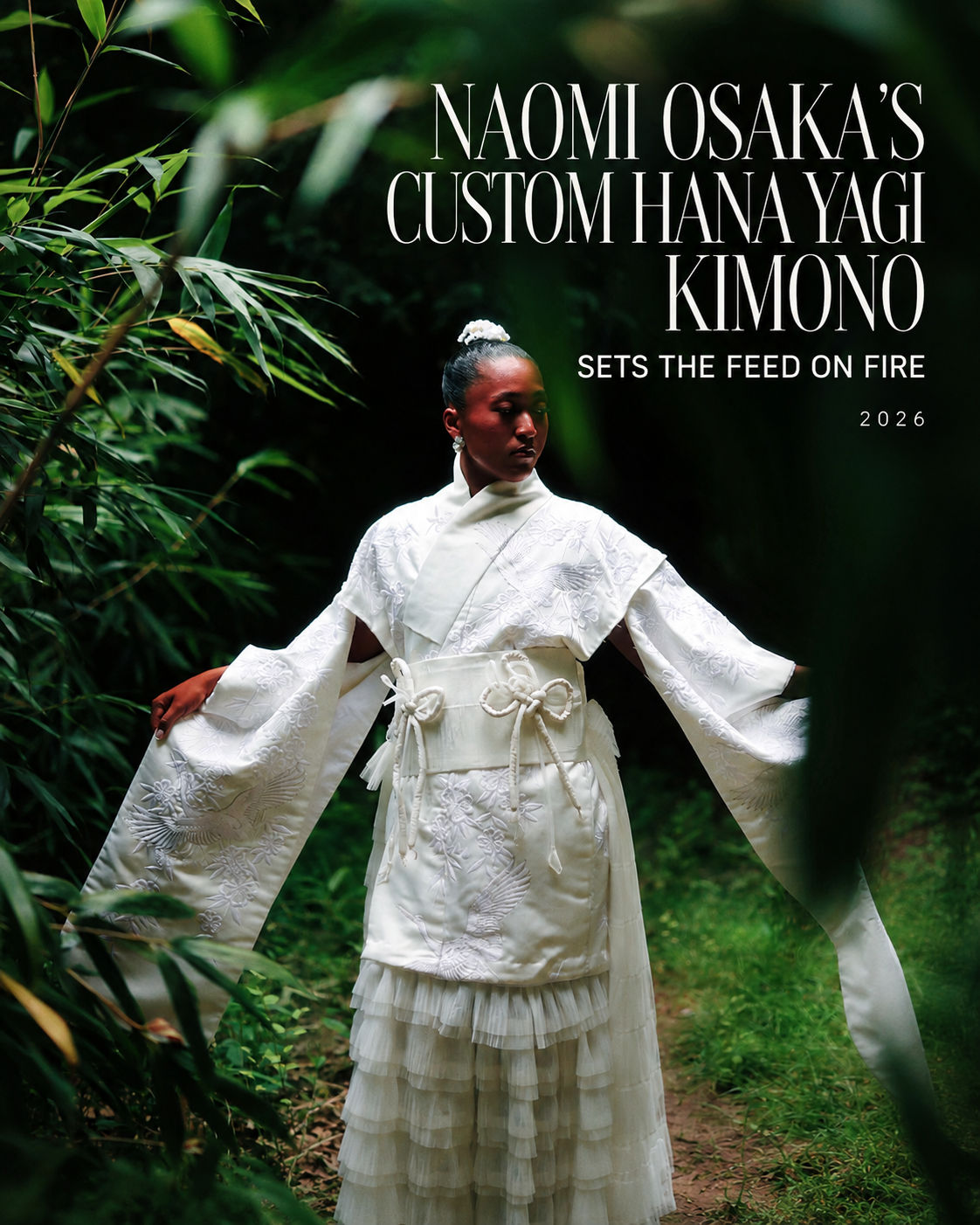
What makes Naomi Osaka's kimono the gold standard for cultural red carpet dressing?
Osaka's choice to wear a custom Hana Yagi kimono signals that authentic red carpet dominance now demands deep cultural connection, not just a designer name tag. The kimono itself—a garment with centuries of layering tradition, color symbolism, and regional weaving techniques—becomes the storyteller, and Osaka's personal narrative as a Japanese-Haitian athlete amplifies that cultural conversation in a way that a standard gown simply cannot.
Textile integrity matters: The Hana Yagi studio is known for hand-dyed silk and traditional indigo techniques passed down through generations. When you wear something with that level of craft, the garment carries weight and presence that fast fashion cannot replicate, even at a distance.
Fit precision elevates everything: A custom kimono requires understanding how the body moves, how the obi (belt) sits, how sleeves fall—this is tailoring logic that translates to every category. When something is cut for you, not at you, people sense the difference immediately.
Color symbolism creates depth: Traditional Japanese color choices carry meaning. Deep indigo, for instance, signals both restraint and formality. This is the opposite of trend-chasing; it's strategic quietness.
Styling restraint amplifies impact: Osaka paired the kimono with minimal jewelry and neutral makeup. No competing narratives. No visual noise. This is quiet luxury in its truest form—letting the garment and its story do the talking.
Pro Tip: If you're shopping for statement pieces, research the designer's heritage and craft story first—buy because of the maker's intention, not the red carpet moment, and you'll always look intentional rather than copycat.

How do fabric construction and tailoring determine whether an affordable kimono or robe reads expensive?
The gap between a $50 robe and a $500 kimono lives in three places: silk weight, seam engineering, and how the fabric responds to movement.
Pro Tip: Before buying any robe or kimono-style piece, look at how it drapes on the model's shoulders in the back—if it pulls, gaps, or creates bunching around the armhole, the pattern grading is off and tailoring won't fix that.
"The most powerful fashion move is wearing something that tells your story before anyone asks your name. Osaka understood that. That's not trend; that's authority."

Step-by-step strategies to find affordable cultural statement pieces that rival custom luxury
Building a quiet luxury wardrobe around cultural heritage doesn't require designer waiting lists; it demands patience, research, and knowing where emerging artisans actually sell.
Research the craft origin. Before clicking "add to cart," spend 10 minutes on the brand's site or social media. Does the designer explain their techniques, dyes, or weaving? If they do, the price is anchored in real knowledge, not just aesthetics.
Shop heritage brands at entry price points. Visit UNIQLO's collaborative collections, vintage Japanese department store finds on Depop, or emerging designers like Ahluwalia who blend cultural references with contemporary tailoring—expect to spend $80–$250 rather than $1,200.
Authenticate secondhand through provenance. If you're buying vintage or pre-owned, ask for photos of labels, tags, and seam details. Real artisanal pieces leave traces—uneven stitching (in a good way), aged silk, subtle color variations that signal hand-dyeing.
Commission or customize from emerging makers. Platforms like Etsy's "Custom Clothing" category connect you directly to tailors and textile artists who will create a bespoke piece for $150–$400—far below Hana Yagi's prices but with the same made-to-measure logic.
Invest in one statement piece per season. Rather than a closet of mediocre basics, buy one exceptional robe, one intentional kimono-style wrap, one heritage-forward piece quarterly. Build slowly and deliberately, and your wardrobe reads expensive because every item has a story.
The quiet luxury philosophy isn't about deprivation or thrift-only shopping. It's about conscious repetition and depth. Wearing the same Hana Yagi-inspired robe three times in one season, knowing its story, learning to style it new ways—that's how you achieve the authority Osaka radiates.

How do you avoid looking underdressed when styling affordable kimonos and robes for elevated occasions?
The mistake most people make is treating a kimono or robe as a casual layer rather than a complete statement. If you're wearing it to a red carpet adjacent event or upscale dinner, approach it as you would a gown—with intention around silhouette, accessories, and posture.
Undergarment architecture: Wear a seamless slip dress or bodysuit underneath (try Spanx or Skims basics for smooth lines). This creates clean edges and prevents gapping. A $28 bodysuit from Everlane instantly makes a $100 robe read premium.
Footwear elevation: Pair with heeled sandals (metallic, minimal), pointed-toe flats (leather-backed, no scuff), or traditional geta or zori if the moment calls for authenticity. Never sneakers unless you're fully committing to a streetwear remix—and that's a different conversation.
Jewelry restraint: A single sculptural piece—one cuff, one necklace, one pair of earrings—reads wealthier than layered chains. Look toward minimalist makers like Bonny Jewelry (delicate brass pieces, $35–$120) or vintage gold that has weight and age patina.
Hair and makeup as negative space: Slicked-back ponytails, minimal makeup, or a single bold lip color. The garment is the conversation. Your face and hair should create a clean frame, not compete for attention.
Posture and movement: A custom kimono demands slower, more intentional movement. Walk with that energy regardless of price point. Confidence in how you wear something costs nothing and reads everywhere.
When minimalism reshaped red carpet dressing, the rule became clear: silence is louder than noise. An affordable piece styled with precision, restraint, and cultural knowledge will always outrank an expensive one worn carelessly.

Why Naomi Osaka understands what most luxury brands are still learning
I have spent years watching athletes, entertainers, and influencers treat red carpet as a transaction—a moment to wear the loaned dress, credit the stylist, move on. Osaka flipped that narrative by making her red carpet moment about inheritance. The custom Hana Yagi kimono wasn't a borrowed statement; it was a cultural conversation wrapped in textile history. When I first saw those photos, what struck me wasn't the garment itself—it was how deliberately she held it, how the obi sat with precision, how her styling choices amplified rather than competed. That's the difference between dressing for the camera and dressing for yourself.
I've watched this shift accelerate across the industry, especially among Gen-Z and millennial consumers who are rejecting fast fashion's throwaway cycle. Last year, I attended a private shopping event at a mid-tier Japanese textile brand in Brooklyn, and the owner told me her biggest customers now want to know where the silk comes from, whether it's hand-dyed, how long a piece will last. Price was secondary to storytelling. A customer paid $185 for a robe when she could have spent $60 elsewhere, simply because she understood the maker's process. That's Osaka's effect in action—she elevated what quiet luxury actually means, and everyone who understands fashion is playing catch-up.
The insight: authority on red carpet, in 2026, belongs to those who dress from a place of deep intention rather than trend reactivity. It's the opposite of the streetwear maximalism or festival style chaos that dominated just five years ago. Quiet luxury isn't quiet because it's timid; it's quiet because it doesn't need to explain itself.

BestStyle's guide to quiet luxury red carpet dressing
BestStyle covers the intersection of cultural heritage, craftsmanship, and accessible luxury—the space where quiet luxury lives. We believe red carpet moments are opportunities to tell deeper stories about identity, maker tradition, and intentional style rather than trend consumption. Whether you're navigating a gala, a gallery opening, or a high-stakes industry event, the principles Osaka exemplified apply across contexts: know your story, invest in tailoring, and let restraint do the heavy lifting. Our editorial team has tracked how quiet luxury has displaced maximalism across luxury and contemporary markets, and the shift is permanent.
We've created comprehensive resources across our platform to help you build this aesthetic on any budget. Visit BestStyle's main editorial hub to explore our full collection of guides on cultural fashion, sustainable red carpet strategies, and emerging makers who are redefining what luxury actually looks like. From affordable kimono styling to sourcing vintage heritage pieces, we help you make intentional choices that feel expensive because they are thoughtful.

FAQ
Can I wear a kimono to a western red carpet event respectfully?
Yes, if you approach it as a cultural statement rather than a costume. Ensure you understand the garment's significance, style it with intention, and be prepared to discuss its heritage if asked. Naomi Osaka's choice carried weight because she has direct cultural connection; if you do as well, wear confidently. If not, consider a kimono-inspired contemporary piece from a Japanese designer instead—brands like Hanae Mori and Yohji Yamamoto create modern interpretations specifically for this context.
What budget should I set for a quiet luxury statement robe?
Entry-level quiet luxury robes start around $80–$150 (UNIQLO, contemporary Asian brands, or vintage finds). Mid-tier quality pieces with better silk and tailoring cost $150–$300. Custom or emerging maker pieces run $300–$500. Above that, you're paying for brand heritage rather than necessarily better construction. Start at your comfortable mid-tier and invest there.
Where can I find affordable kimonos that don't feel like fast fashion?
Depop (vintage and pre-owned), Etsy's custom clothing category, UNIQLO's heritage collaborations, and independent Japanese designers selling through their own sites or boutiques like Browns Fashion. Avoid Amazon and Shein knockoffs entirely; they'll never read expensive and often trivialize the garment's cultural meaning.
How do I style a kimono for a modern nighttime event?
Pair it with a seamless slip dress underneath for clean lines, pointed-toe flats or heeled sandals, one sculptural piece of jewelry, and a slicked-back hairstyle. Let the robe or kimono be the full statement—avoid competing patterns, heavy makeup, or layered accessories. The goal is precision and intention, not coverage.
Is it worth commissioning a custom robe instead of buying pre-made?
Absolutely, especially if you're investing in the $150–$400 price range. Custom pieces guarantee proper fit, allow you to specify fabric and construction details, and connect you directly to the maker's story—all elements that elevate how the piece reads on your body and in photos. Emerging makers on platforms like Etsy often deliver comparable quality to luxury brands at half the cost.
Recommended
Chappell Roan’s Tinsel Shrug Marks the Return of High-Gloss Glitter Glam
BTS’ Jimin Turns Dior’s Early Paris Show Into Fashion’s Most-Watched Morning
Meta’s Kylie Jenner AI Glasses Bring Smart Tech to Fashion’s Front RowRosie Huntington-Whiteley’s Tom Ford Column Gown Rules the London Heatwave
Salma Hayek Ditched the Tennis Dress for Buttery Leather Bermudas at Roland Garros


