J.Lo’s Optical Illusion Versace: A New Spin on the Naked Dress
Jennifer Lopez just rewrote the rules of strategic transparency with a gravity-defying Versace illusion gown that plays with geometry, skin, and pure visual deception.

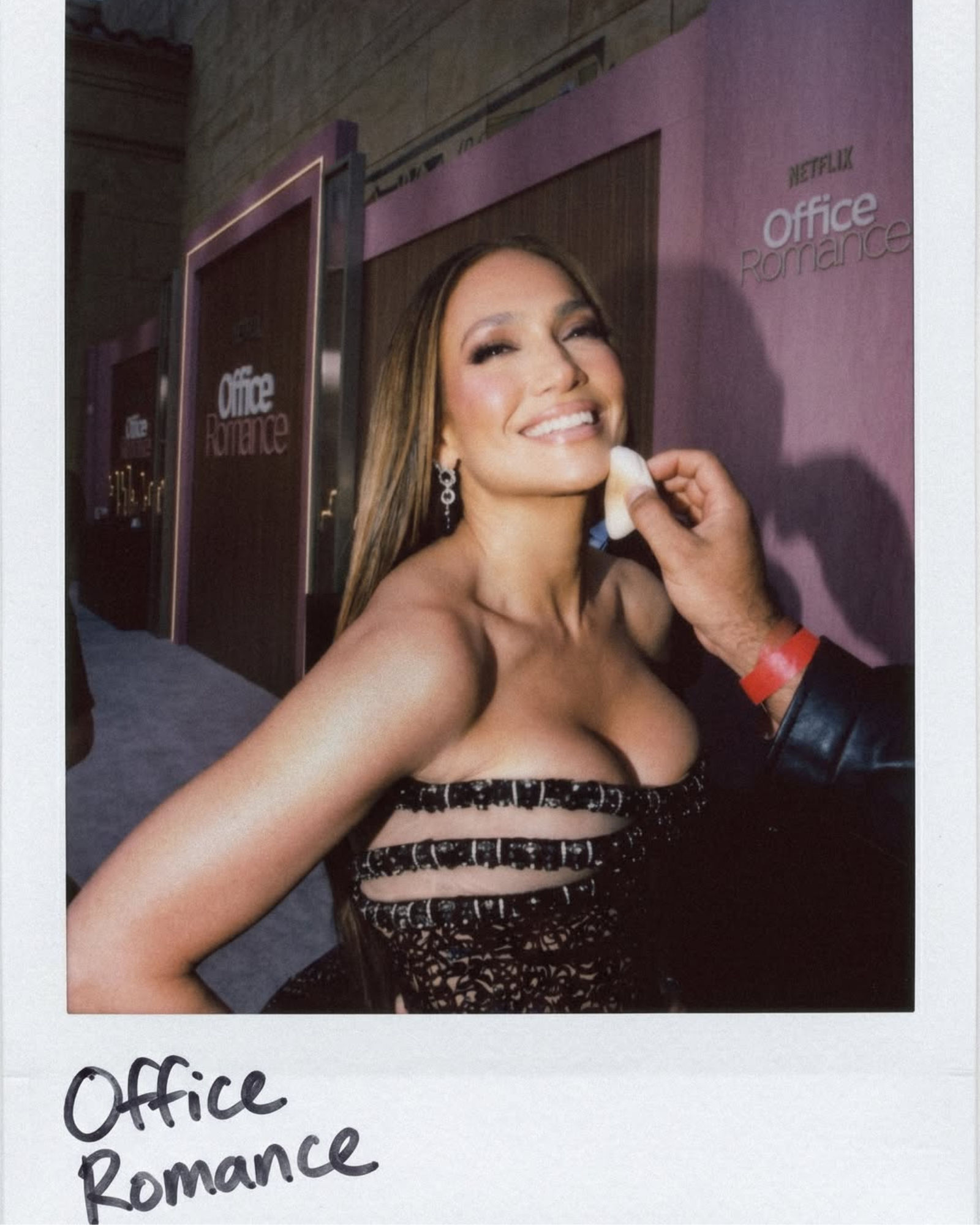
Jennifer Lopez didn't just wear a naked dress to the red carpet last night—she engineered one. The Versace illusion gown she selected was a masterclass in geometric seduction: plunging neckline, strategic cutouts along the ribs, and a sheer panel down the front that creates the visual effect of bare skin where fabric actually exists. It's the naked dress's most intellectually rigorous moment. Not since Donatella's 1999 safety-pin dress has Versace played this audaciously with the viewer's eye.

The Illusion That Changed Everything
This wasn't transparency for transparency's sake. The dress weaponizes negative space and placement. Where you expect skin, there's an optical game—high-shine material catching light in ways that confuse the eye, creating the illusion of bare patches that simply aren't there. The effect is hypnotic, unsettling in the best way. It's the kind of construction that makes you stare longer than you should, trying to decode what's real and what's visual trickery.
The silhouette itself is vintage Versace sensuality recalibrated for 2024: the plunge is confident without apology, the cutouts are placed with architectural precision, and the fabric—a blend of stretch jersey and strategically positioned mesh—moves like a second skin. In person, this dress probably reads as pure confidence. On camera, it's a fever dream of geometry and skin tone.

Why This Matters More Than You Think
The naked dress has been through iterations. There was the literal nakedness of Rihanna in that see-through Margiela gown (2015). There was the audacious mesh moment of Kendall in that completely sheer Givenchy (2016). Then came the era of the strategic cutout—Hailey's Kooples moments, Zendaya's tasteful nudity through fabric manipulation.
But what J.Lo just did is different. She took the concept and weaponized confusion. The dress asks viewers to question what they're seeing. Is that fabric or skin? Is that an illusion or strategic transparency? The power of the naked dress has always been about confidence and sensuality, but this version adds a layer of intellectual play that feels distinctly next-level.
The dress weaponizes negative space and placement—where you expect skin, there's an optical game that confuses the eye.

The Technical Brilliance
Let's talk construction, because this is where Versace's atelier flexed. The dress required:
Precision cutting: Every cutout is positioned to maximize visual impact while maintaining structural integrity. The rib cutouts specifically align with the body's natural curves.
Fabric layering: Sheer panels are layered beneath opaque sections, creating depth and that crucial illusion of skin where there's actually strategic coverage.
Stretch technology: The jersey moves with the body without gaping or shifting, maintaining the optical effect from every angle and in every frame.
Nude undertoning: The base layer matches J.Lo's exact skin tone, which is where the real magic happens—the eye can't distinguish where coverage ends and nudity begins.

The Cultural Moment
This dress arrives at a specific cultural moment. We're past the era of nudity-as-shock. Transparency is expected on red carpets now. What separates a good naked dress from an iconic one is restraint, precision, and intelligence. J.Lo's Versace has all three in spades.
The naked dress works because it occupies that perfect threshold between vulnerability and power. There's nudity without actual nakedness, sensuality without gratuitousness. It's the garment equivalent of a perfectly executed plot twist—you think you know what you're looking at until you don't.
Donatella clearly understood the assignment. She didn't go for literal transparency; she went for psychological transparency. The dress makes you feel like you're seeing more than you actually are, which is somehow more powerful than the thing itself. That's the difference between a moment and an icon.