Formula 1 Chic: Why Speedcat Shoes and Racing Jackets Are Trending in 2026
Motorsport style has officially lapped luxury streetwear. From Puma's Speedcat revival to vintage Sparco bombers, the racing aesthetic is dominating red carpets and the streets—and it's nowhere near pit stop.
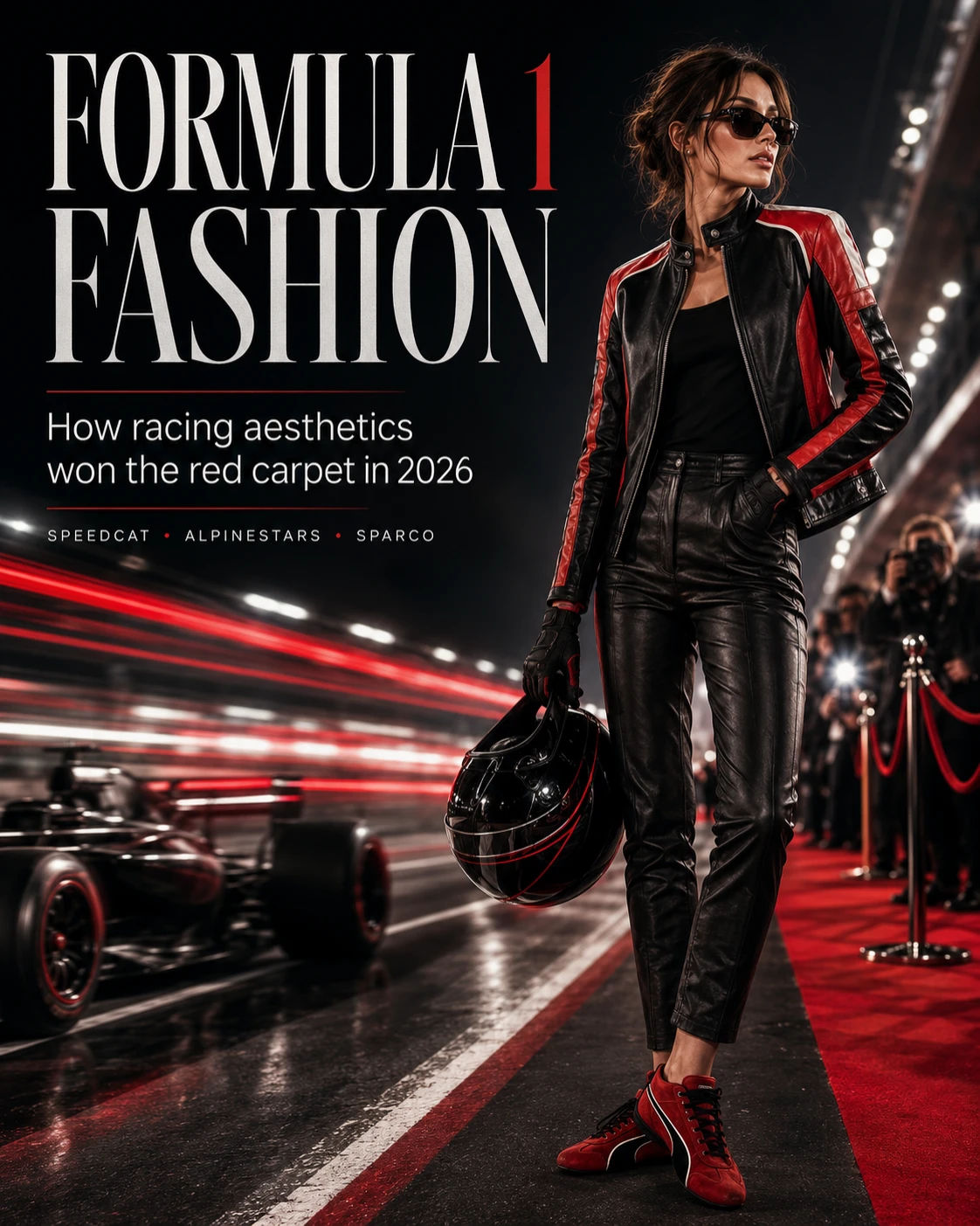
Formula 1 has always been about speed, precision, and the kind of cool that doesn't need explanation. But in 2026, the sport's aesthetic has transcended the track entirely. Racing-inspired pieces—Speedcat sneakers, oversized Alpinestars jackets, Sparco bomber coats in Ferrari red—are the uniform of choice for celebrities, influencers, and fashion insiders who understand that high fashion's future wears a helmet.

The Speedcat Phenomenon
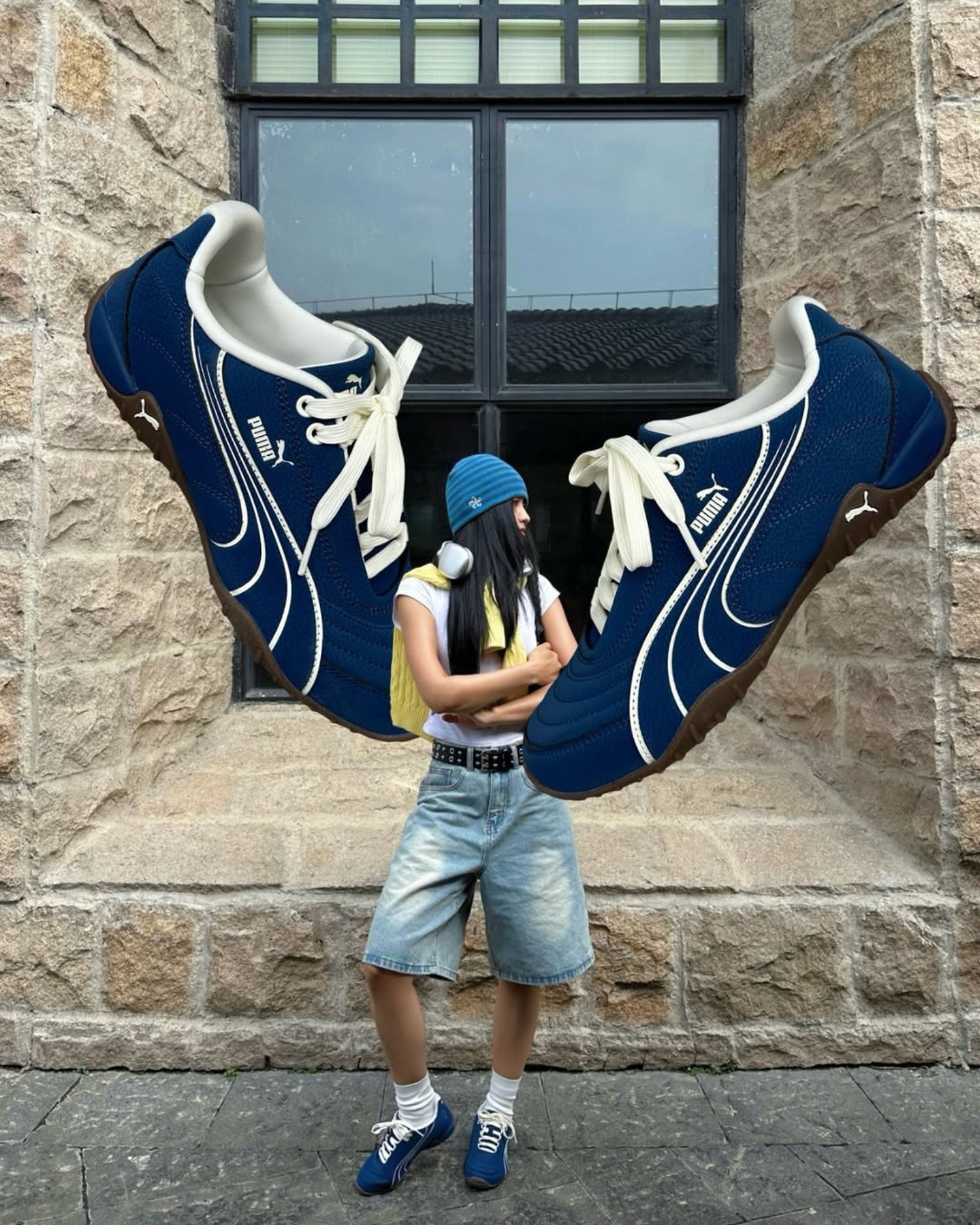
Puma's Speedcat sneaker didn't just return from its archives; it arrived as a cultural reset. Originally born in 1995 as a racing shoe, the silhouette's 2026 revival captured something Gen Z desperately wanted: heritage that actually moves. Unlike the chunky, maximalist sneakers that dominated the early 2020s, Speedcats are lean, aggressive, purpose-built. They're the opposite of ironic—there's no winking involved when you wear them.
What makes the Speedcat's resurgence particularly potent is its cross-pollination across fashion's worlds. You'll see them laced on the feet of 22-year-old model-influencers at Paris Fashion Week, then again on a retired F1 driver's feet at a Miami nightclub. That's not coincidence. The shoe reads as both deeply technical and effortlessly cool, which is the exact frequency fashion operates on right now.
The Speedcat reads as both deeply technical and effortlessly cool—the exact frequency fashion operates on in 2026.

Jackets That Mean Business
If sneakers are the foundation, racing jackets are the statement. Alpinestars' leather bombers—structured, minimal, usually in black or team colors—have become the go-to piece for anyone trying to signal that they understand luxury's new direction. These aren't the floral or oversized bombers of 2015. These are tight, architectural, with visible stitching and the kind of tailoring that costs.
The cultural moment matters here. As sustainability conversations have hardened in fashion, there's renewed respect for pieces that do something—jackets that were engineered to protect drivers at 200 mph, tracksuits that were built to handle extreme conditions. Fashion has tired of pure decoration. These items come with function as their narrative.
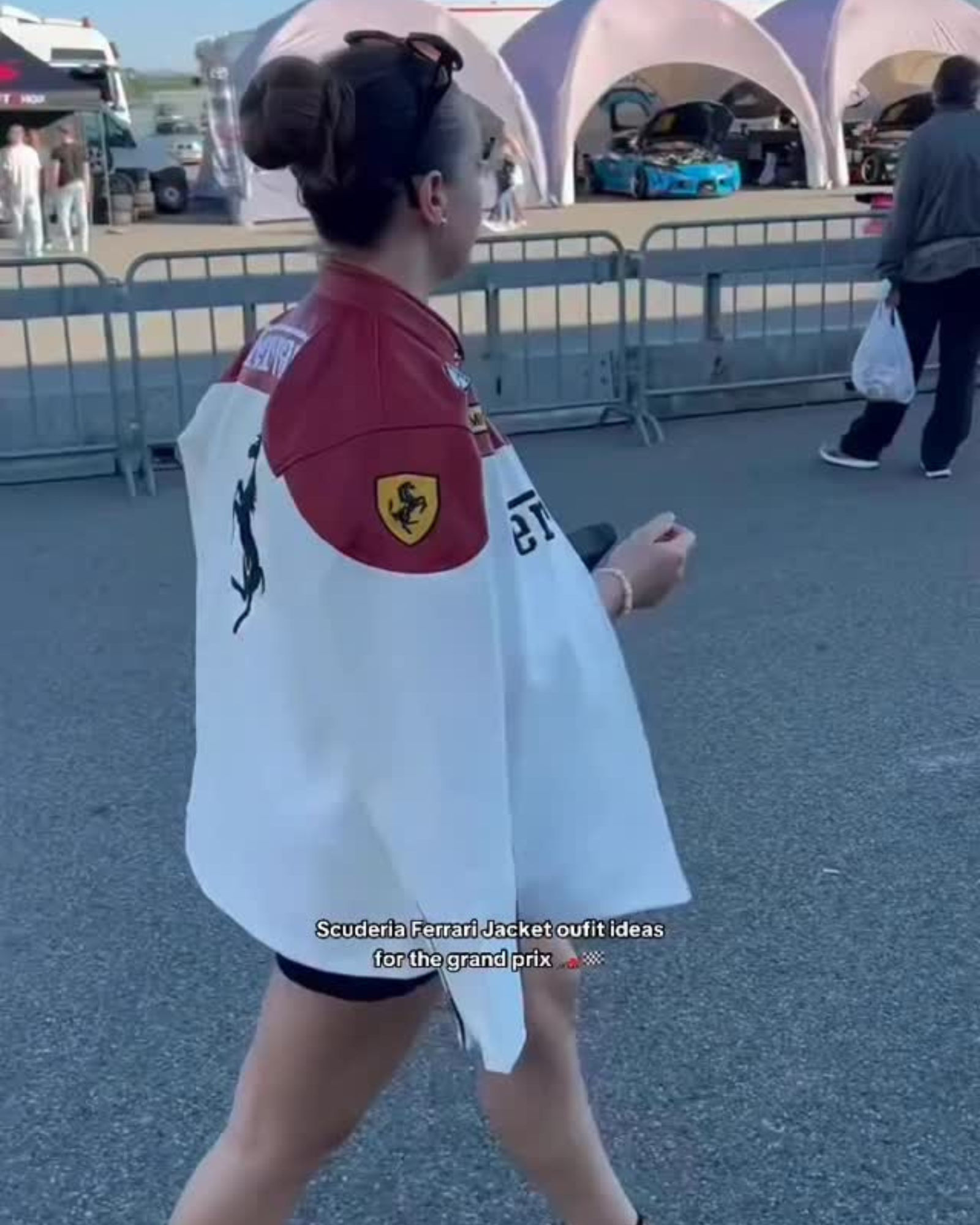
Vintage Sparco and Taiga racing wear, meanwhile, has become the new It-girl flex. A properly archived Sparco suit in Ferrari colors—the iconic red with the white central stripe—now costs what a mid-tier designer handbag did five years ago. On the red carpet, these pieces signal: I know things you don't.

Why Racing Aesthetic Wins Right Now
Several cultural currents converge here. First: the formula one expansion. Netflix's Drive to Survive phenomenon created a new, fashion-forward F1 audience. These fans aren't just watching the sport; they're absorbing its visual language. The paddock itself has become a fashion theater, with drivers and team principals playing style stakes that rival any fashion week.
Second: maximalism fatigue. After years of logo saturation, ruffles, and pattern overload, racing wear's minimalism reads as radical. A clean Alpinestars zip-up with no embellishment, worn with pressed trousers? That's luxury now.
Third: the authenticity demand. Gen Z's luxury appetite rewards things that originated with real purpose. Racing gear was born on the track, engineered by engineers, worn by athletes. It's not a costume. It's the opposite—when a celebrity wears it, they're adopting the language of precision and performance.
The Red Carpet Translation
What's fascinating is how these pieces have translated upward. At the 2026 BAFTAS, a notable actor wore a custom Alpinestars jacket with tailored evening trousers—racing wear recontextualized as black-tie. At Cannes, the trend manifested differently: oversized Sparco windbreakers thrown over silk slip dresses, creating a high-low collision that felt fresh rather than confused.
The formula works because racing aesthetics carry an inherent confidence. Speedcats don't apologize for being functional. Alpinestars jackets don't pretend to be precious. They arrive fully formed, borrowed from a world where style serves performance, not the reverse.
Speedcat sneakers: The technical minimalism beats trend-chasing every time. Puma's 2026 colorways in ice blue and metallic silver sold out in hours.
Alpinestars leather bombers: The luxury price point ($2,800–$4,200) keeps them exclusive while the design makes them widely visible
Vintage Sparco suits: Archive hunting for original '80s and '90s pieces has become a serious collector pursuit among fashion insiders
Racing gloves: Armored leather driving gloves are appearing as micro-accessories, worn or tucked in jacket pockets for that paddock-adjacent edge
What's Next
The racing moment won't last forever—fashion moves too fast. But what's happening now is a recalibration of what luxury means. It's shifting from decorative toward capable, from precious toward purposeful. Formula 1 style has won the red carpet because it refuses to perform. It just performs.