The ‘Main Character’ Mirror Filter: Why Your Feed is Suddenly Full of 1970s Disco-Glow
A viral TikTok filter is turning bedroom selfies into Studio 54 fantasies. But the real story? How Gen Z is rewiring nostalgia into pure aesthetic dominance.

Your feed has been hijacked by a golden hour that never ends. Warm amber lighting, a hazy glow, and that unmistakable brush of seventies glamour—the "Main Character Mirror" filter is everywhere, and it's doing something psychology can't quite explain: making everyone look like they belong on a velvet rope somewhere important.

The Filter That Cracked the Algorithm
It started innocuously enough—another beauty filter in TikTok's endless carousel. But this one landed differently. Unlike the hyper-realistic beauty standards that dominate Instagram, the Main Character Mirror doesn't airbrush you into submission. Instead, it wraps you in a flattering, slightly diffused warmth that feels less like correction and more like curation. It's the visual equivalent of someone saying "you look good," without making you feel inspected.
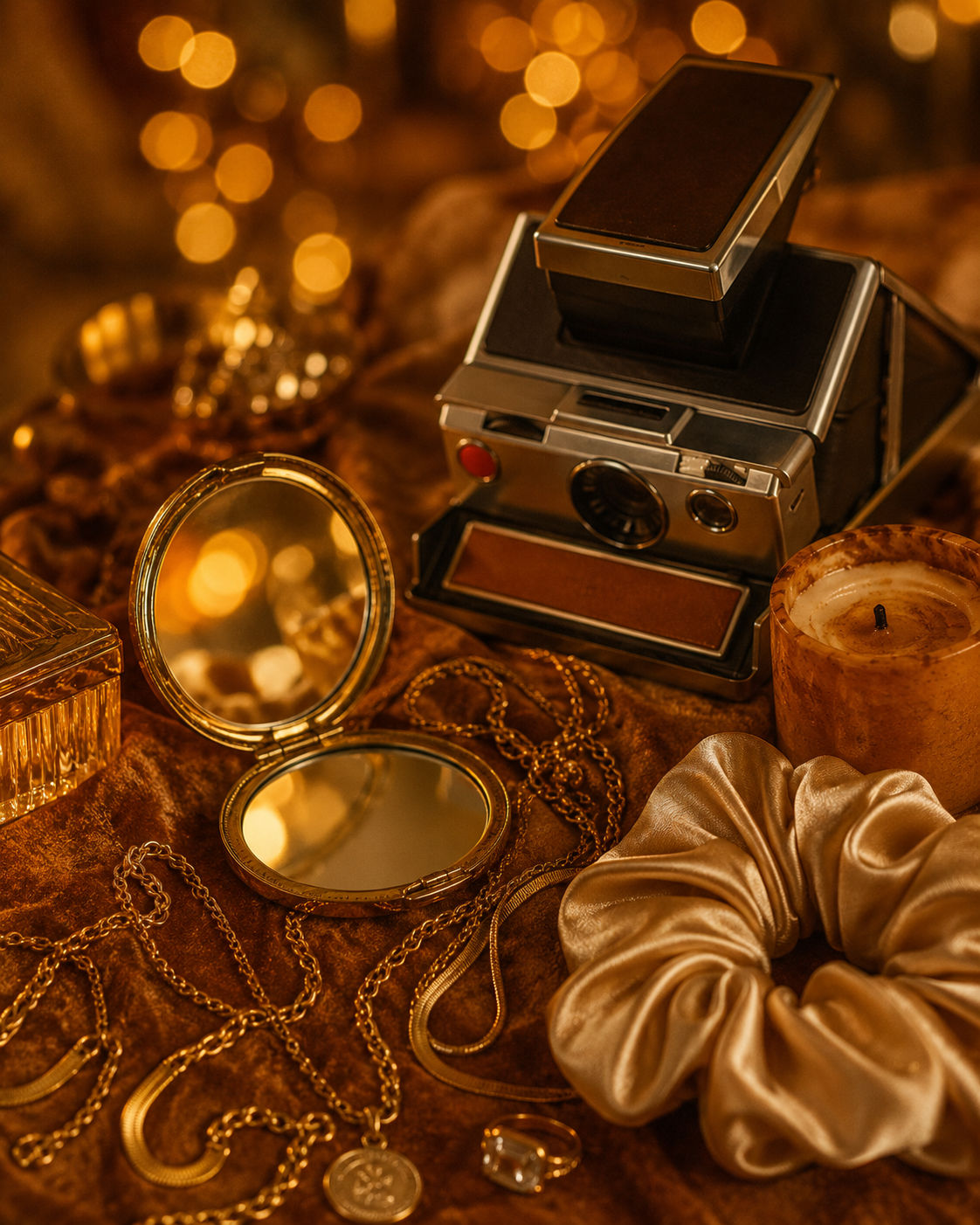
The disco-inspired color palette is deliberate. Warm golds, bronze undertones, and a softness that recalls the heyday of '70s photography—when studio lighting was an art form, not a technical specification. This isn't the harsh ring light of bedroom YouTube tutorials. This is the nostalgic glow of a moment when looking "effortless" required actual effort.

Why Gen Z is Obsessed With Borrowed Decades
Here's what's interesting: Gen Z isn't discovering the '70s. They've been mining that decade for five years straight—from Euphoria's maximalist makeup to the oversized suiting trend to every luxury brand's "Archive" collection. But the Main Character Mirror filter represents something subtly different. It's not about wearing the '70s; it's about inhabiting that aesthetic temporally. For three seconds, your bathroom becomes Studio 54.
The filter taps into a deeper cultural moment: the maincharacter trend itself. Being the "main character" of your own life is less about accomplishment and more about perspective—how you frame yourself, how you curate your narrative, which lighting makes you feel most yourself. The filter democratizes that feeling. No expensive ring light. No professional photographer. Just your phone and suddenly you're illuminated like you matter.
"The filter doesn't make you look different—it makes you look like you were always meant to be lit this way."

The Aesthetic Code It's Cracking
What separates this filter from the dozens of others clogging TikTok is its refusal to lie. It's not smoothing your skin into poreless oblivion or augmenting your features. Instead, it's operating within the logic of flattery through atmosphere. Think of it as the digital equivalent of the right photographer choosing golden hour. The raw material stays honest; the context shifts everything.
The color science is also crucial. That warm cast—specifically in the amber and bronze family—photographs well across all skin tones, which explains its viral velocity. Unlike filters built on the baseline of pale skin (yes, still a problem), this one bends toward universality. It's also giving luxury: that expensive-hotel-bathroom lighting that feels aspirational without being anatomically impossible.

The Cultural Undercurrent
There's also something generationally specific happening here. The '70s represent a moment before algorithm-imposed beauty standards, before Instagram beauty, before the surveillance of the selfie became totalizing. For Gen Z, raised entirely on curated feeds and ring-light realism, the '70s aesthetic offers a kind of historical fantasy—what if looking "good" was about vibe and presence rather than metric perfection?
The filter's virality isn't accidental. It arrived at a moment when:
Quiet luxury and minimalism have exhausted themselves on Instagram
Y2K nostalgia has been fully commodified by every brand
Gen Z is actively searching for a new visual language that feels both retro and rebellious
Authenticity (however ironic that term is) is increasingly valued over perfection
What Happens Next
In two months, the Main Character Mirror will probably be replaced by something else—maybe a vaporwave filter, maybe something yet unnamed. But what it's revealing is the hunger for a different kind of self-presentation: one that flatters without lying, that references the past without being trapped by it, and that makes you feel like the story you're telling is worth watching.
The real genius of the filter isn't the lighting. It's that it gives you permission to feel like you already are the main character. The camera is just finally catching up.