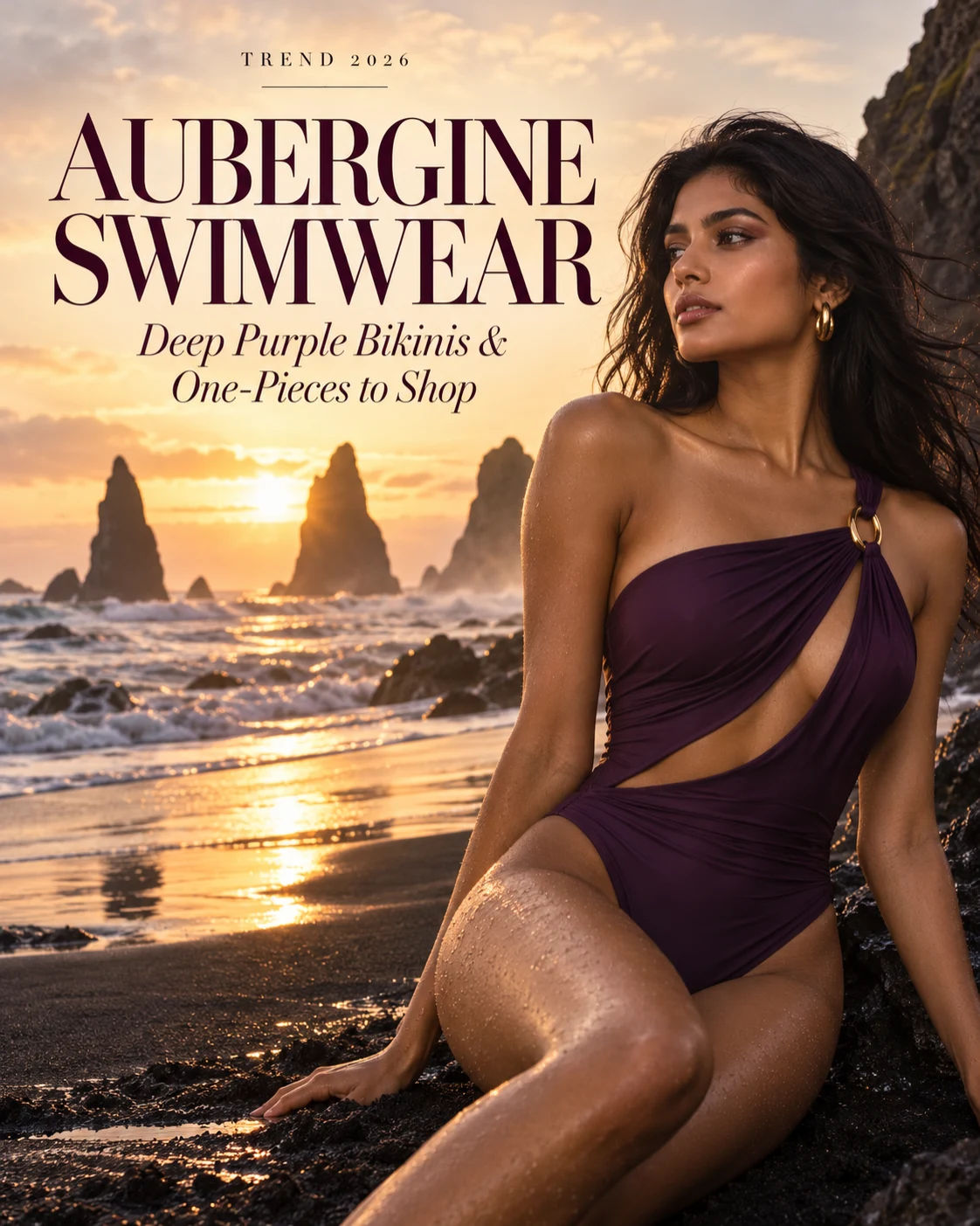
The Broderie Boom: Why Texture is the #1 Luxury Swimwear Trend of 2026
Forget minimalism. The most coveted swim looks of 2026 are layered in intricate embroidery, cutouts, and three-dimensional detail. Here's how to decode the trend taking over resort season.

The death of the plain bikini has officially arrived. This season, luxury swimwear is rejecting the stripped-back, barely-there aesthetic that dominated the last five years. Instead, high-fashion houses are going full maximalist, drowning their swim pieces in broderie anglaise, laser-cut details, and ornate embroidery that transforms a simple one-piece into a wearable art installation. It's textile excess as the ultimate flex—and the red carpet is obsessed.

From Beach Club to Museum Piece
What started as a whisper in the Miu Miu and Zimmermann collections is now a full-throated revolution. Brands like Erdem have pivoted entirely toward embroidered swim, while even minimalist houses like Jil Sander are introducing delicate cut-outs and subtle floral detailing. The message is clear: a $2,000 swimsuit should look like it cost $2,000. And it should demand to be looked at.
The broderie movement taps into something deeper than seasonal whimsy. After a decade of "quiet luxury" and the Instagram-baiting minimalism of the early 2020s, there's a collective hunger for unapologetic opulence. Texture reads as intelligence, craftsmanship, and a refusal to apologize for taking up space. It's the anti-influencer swim brief—less TikTok, more i-D editorial.
"We're seeing clients spend the equivalent of evening wear on swim pieces because they're fully realized design moments," says a senior buyer at Dover Street Market. "It's no longer about the body anymore—it's about the garment itself."

The Designers Winning Right Now
Miu Miu has weaponized crochet and cut-outs into cultural currency. Their recent collection featured micro-broderie details so intricate they required consultation with archival textile experts. Zimmermann continues to dominate the segment with their signature blend of Australian craft sensibility and haute couture precision—their new Alchemy collection uses hand-applied sequins and laser-cut layers that create impossible silhouettes underwater.
Then there's the outsider play: Paris-based brand Selchioral is having a genuine moment, creating sculptural swim pieces that read more gallery installation than beach day. Young celebrity swimmers are quietly rotating these pieces at Cabo retreats and Saint-Barth photoshoots. The internet hasn't caught on yet, but it will.

How to Wear the Trend Without Looking Costume-y
Pair textured swim with minimal cover-ups. If your one-piece is doing the talking, let a plain linen shirt or unstructured resort shirt be the supporting act. Think Kris Jenner's approach to accessories: restraint makes the statement louder.
Embrace the broderie in unexpected colors. Forget white-on-white. The most interesting pieces are appearing in deep plum, chocolate brown, and even dusty sage. It signals confidence and separates the trend-chasers from the design nerds.
Invest in architectural silhouettes. High-cut legs, asymmetrical necklines, and strategic cutouts maximize the visual impact of embroidery. Flat, simple silhouettes muddy the detail work.
Layer it for land moments. A Zimmermann broderie one-piece works as a bodysuit with tailored trousers, or under a sheer Raf Simons shirt. The investment should work harder than just poolside.

The Cultural Moment
This trend reflects a broader cultural reset. Gen Z and older millennials are simultaneously rejecting both the "Instagram hustle" of the 2010s and the performative minimalism that followed. What's emerging is a maximalism rooted in craft, heritage, and the kind of details that require real skill—not just a good phone camera. Broderie isn't trendy because an algorithm said so. It's trendy because it requires time, expertise, and intention to produce.
There's also a quiet rebellion against the body-normative culture that dominated swim fashion for two decades. A heavily detailed, textured piece isn't about showing the body—it's about presenting it. The garment becomes the frame, not the flesh. That's a genuine shift.

The Price Point Reality
Be honest with yourself: entry-level broderie swim starts at $800 and escalates rapidly. A Miu Miu piece with hand-applied details runs $1,800–$2,400. Erdem's archive pieces are fetching $3,000+ resale. This isn't a trend for everyone, and that's exactly why it's winning—exclusivity plus obvious craftsmanship equals credibility in 2026.
But here's the smart play: secondary market pieces from past seasons offer significantly lower entry points. And smaller designers like Selchioral and UK-based Palomo are producing museum-quality work at slightly more digestible price points. The trend is mature enough now that there are options beyond the obvious houses.
The broderie boom isn't about being seen in a swimming pool. It's about being a walking textile study, a person who cares enough to notice seaming, who understands that luxury isn't a logo—it's in the details. That's the only trend that matters.
More from BEACH
ALL BEACH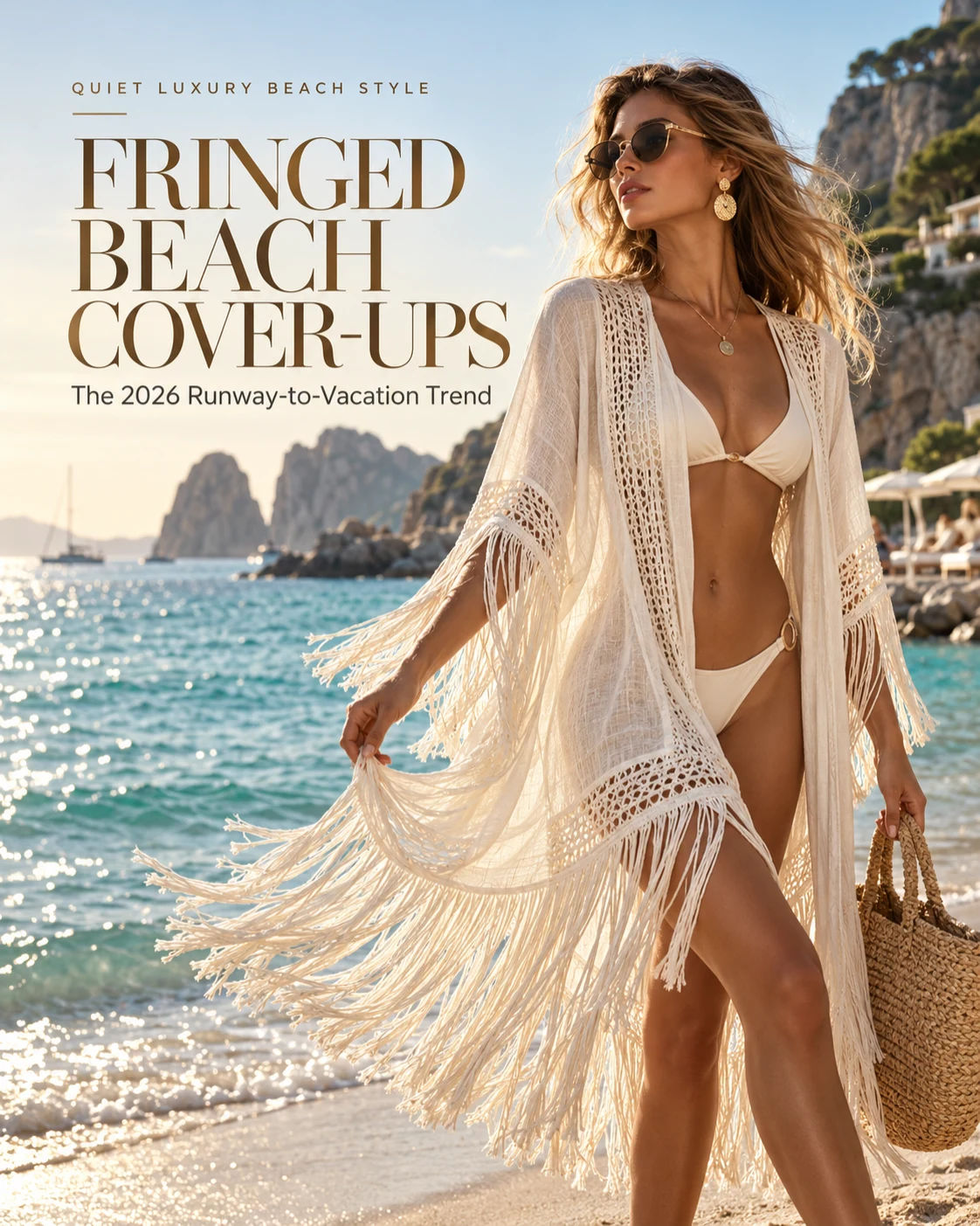
Fringed Beach Cover-Ups: How to Translate Runway Fringe to Vacation Outfits

Leather-Trimmed Raffia Bags: The Hybrid Beach Bag You Can Wear All Autumn