Runway Music Video: Gaga and Doechii Take Over Prada 2
A New Chapter for a Fashion Legacy The Runway music video marks a defining moment for The Devil Wears Prada 2, bringing Lady Gaga and Doechii into a cinematic space where fashion and music move in sync. Few films have shaped the language of style and ambition like The Devil Wears Prada, and this latest […]
A New Chapter for a Fashion Legacy
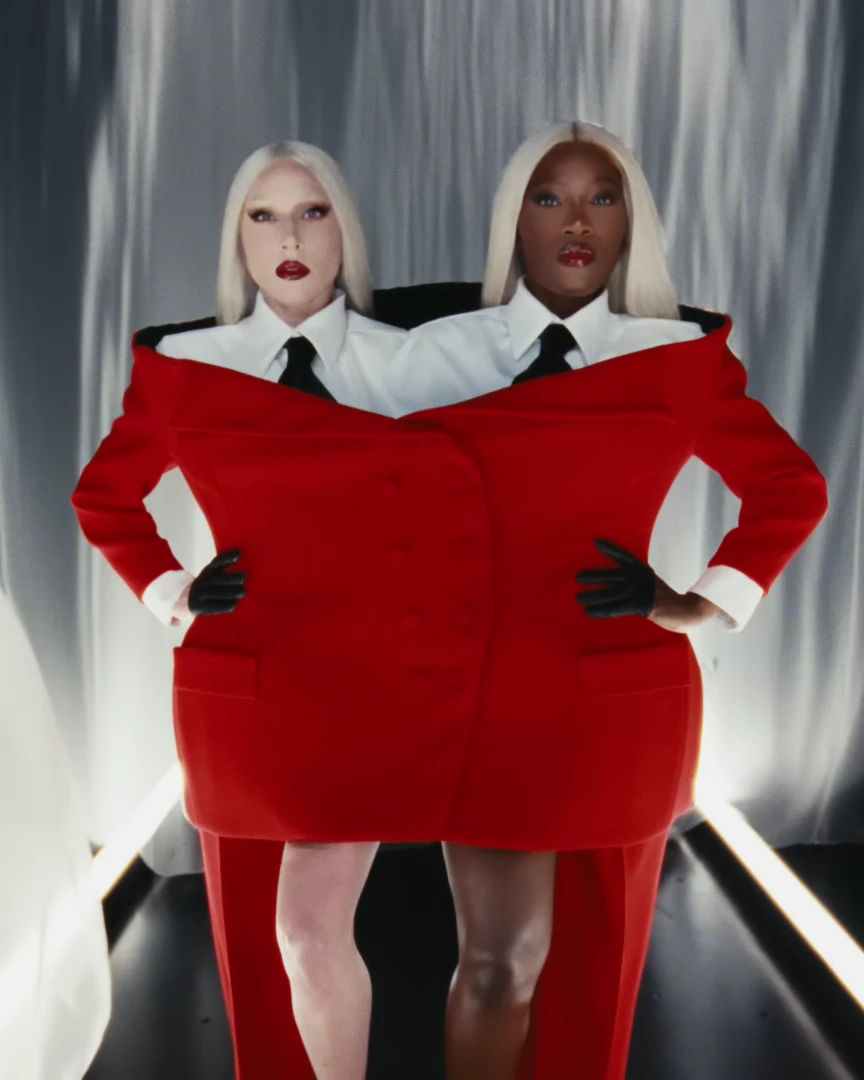
The Runway music video marks a defining moment for The Devil Wears Prada 2, bringing Lady Gaga and Doechii into a cinematic space where fashion and music move in sync. Few films have shaped the language of style and ambition like The Devil Wears Prada, and this latest visual extends that influence with precision and modern clarity.
This is more than a soundtrack release. It’s a cultural continuation. The Runway music video reframes the mythology of fashion power for a new era—one shaped by speed, visibility, and evolving influence. It acknowledges its roots without relying on them, translating a familiar world into something distinctly current.

Gaga and Doechii Define the Runway Music Video Era
Lady Gaga has long operated at the intersection of performance and fashion, where each look feels authored rather than styled. In the Runway music video, she brings that same sense of control—precise, composed, and visually commanding. Her presence feels intentional, linking the legacy of fashion spectacle to a more refined, cinematic approach.
Doechii offers a compelling counterpoint. Her aesthetic feels instinctive and immediate, shaped by contemporary culture yet grounded in individuality. Where Gaga leans into structure, Doechii introduces fluidity—shifting between moods, silhouettes, and gestures with ease. Together, they create contrast that defines the visual rhythm of the Runway music video.
This dynamic isn’t about succession. It’s about coexistence—two distinct expressions of style meeting on equal footing.

Inside the Runway Music Video: Where Music Meets Couture
The Runway music video unfolds with the precision of a fashion editorial in motion. Lighting is sculpted with care, framing each scene with the discipline of a runway show. Textures—patent leather, silk, structured wool—carry narrative weight, while small details anchor the visual story: the line of a shoulder, the pace of a walk, the pause before a turn.
Rather than overwhelming with excess, the video leans into restraint. Power in fashion often lies in what is held back. Silhouettes remain bold but controlled. The palette stays focused. Each sequence builds with intention, creating a rhythm that complements the music without overwhelming it.
There are subtle echoes of the original film’s aesthetic—its sharpness, its precision—but here, they feel more personal than institutional. Fashion is no longer just a system to navigate. It becomes a language of self-definition.

Conclusion
The Runway music video arrives at a moment when fashion and music continue to shape cultural identity in real time. Lady Gaga and Doechii don’t simply contribute to The Devil Wears Prada 2—they expand its visual and emotional scope.
The result feels both grounded and forward-looking. It honors the legacy that came before while refining what a fashion-driven narrative can be today—more intentional, more fluid, and unmistakably aligned with the present.


