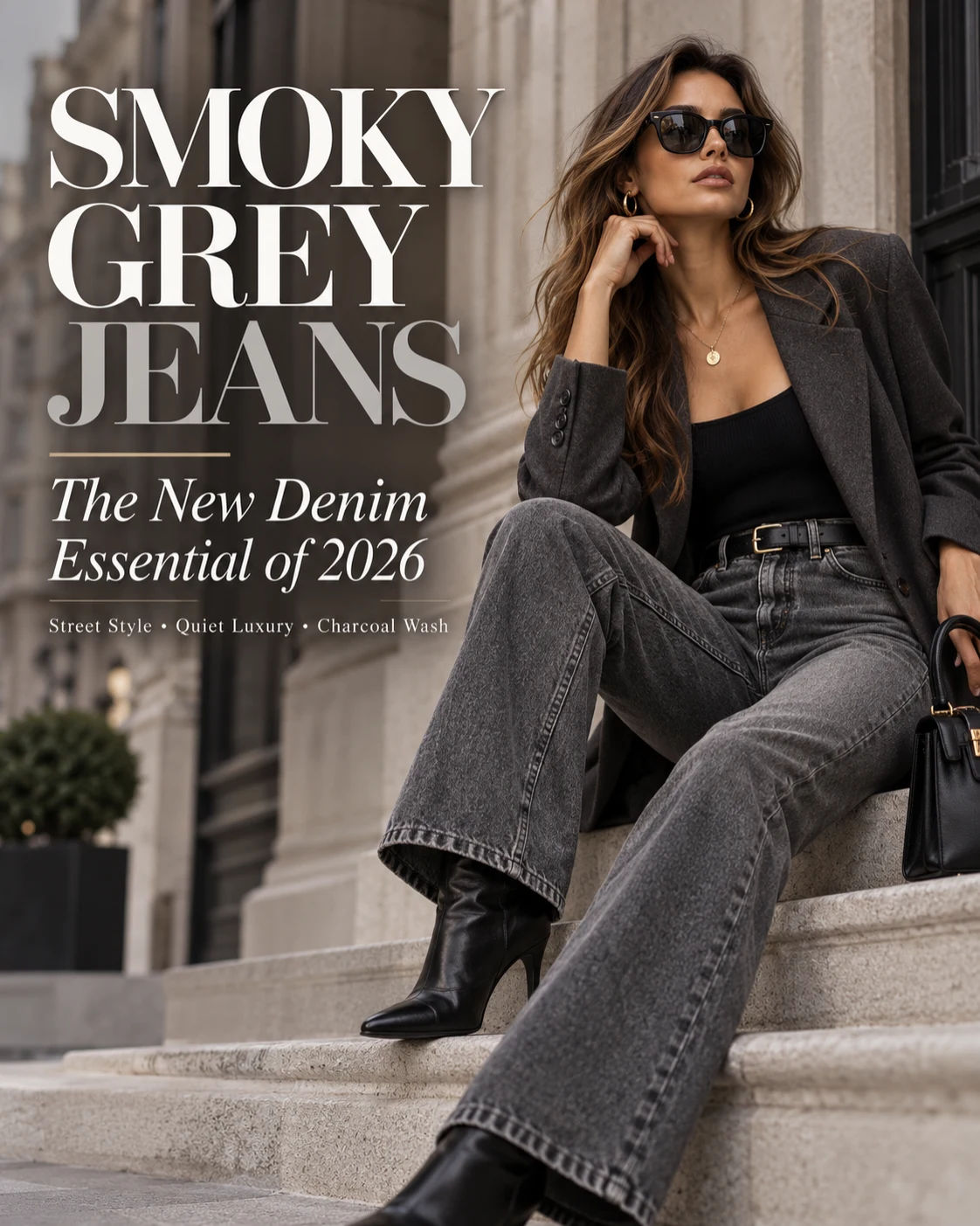
Blouson Jackets Fall 2026: The Cool-Girl Outerwear Replacing Bombers
Blouson jackets are the elevated alternative to oversaturated bombers. Learn how tailored silhouettes and premium fabrics are reshaping fall layering for 2026.

Blouson Jackets Fall 2026: The Cool-Girl Outerwear Replacing Bombers
The blouson jacket is the art of taking menswear precision and folding it into a silhouette that feels both tailored and fluid—a departure from the boxy oversaturation of the bomber era. For fall 2026, the blouson stands as the definitive cool-girl outerwear choice, elevated by structured waistbands, premium fabrications, and a refined restraint that bombers abandoned seasons ago. Brands like Lemaire offer blouson iterations starting at $1,495, while more accessible options from Mango hover around $119.99, proving the trend scales across price points. The shift signals a broader move toward quiet luxury dressing and away from logo-heavy streetwear—a sentiment reflected across Vogue's September trends coverage and street-style reports from Copenhagen Fashion Week.

What makes blouson jackets the 2026 silhouette over bombers?
Blouson jackets prioritize tailored construction and waist definition, where bombers default to shapeless bulk and archive-chasing nostalgia.
Waist architecture: Blousons cinch at the hip with gathered elastic or precise seaming, creating an hourglass line that reads expensive and intentional.
Fabric weight: Technical woolens, silk-blend twills, and Italian nylons replace the polyester shell of mass-market bombers, allowing for drape and movement instead of stiffness.
Sleeve construction: Blouson sleeves taper toward a fitted cuff, whereas bomber sleeves sit loose and undefined—a key signal of whether an outerwear piece feels fashion-forward or dated.
Color restraint: Blousons favor tonal blacks, caramels, sage greens, and deep chocolates; bombers lean on primary brights and tonal-blocking that feels early-2020s.
Collar variation: Many blousons feature subtle stand collars or convertible necklines; bombers are locked into the rigid rib-knit uniform.
Pro Tip: The blouson's waistline should hit at your natural hip bone—lower placement kills the silhouette and reads costume rather than editorial.

How do fabric and fit determine whether a blouson jacket looks luxury?
Luxury blousons live in the intersection of hand-feel and construction precision—two elements that separate a $120 version from a $1,200 investment.
"The blouson is a democratic silhouette—it works whether you're spending $100 or $1,500, as long as the waist hits right and the fabric doesn't scream disposable."
Pro Tip: Check seam spacing and lining quality on any blouson under $300—crisp, even stitching and a silk-like interior indicate construction discipline even at accessible price points.
Fit precision matters more than label prestige. A blouson's success hinges on three measurements: shoulder seams sitting exactly at your shoulder bone (not pitched forward or back), sleeve length ending mid-wrist, and that crucial waistline cinch positioned where your body naturally tapers. Premium blousons from houses like Lemaire and Holzweiler invest in multiple fit iterations; mass-market versions from Zara or & Other Stories often nail the silhouette for one body type only. Try before committing to blousons at $200 and above—proportions vary wildly across manufacturers.

Step-by-step: How to style a blouson jacket for fall 2026
Styling a blouson requires intention and proportion awareness—pair it with pieces that respect its tailored structure rather than compete for visual real estate.
Choose your base layer. Opt for slim-fit turtlenecks, ribbed knits, or fitted long-sleeves in black, cream, or warm neutrals; avoid oversized silhouettes that bury the blouson's waist definition.
Anchor with bottoms discipline. High-waisted trousers, tapered jeans, or midi pencil skirts create vertical line extension; avoid wide-leg or slouch cuts that fight the jacket's intentionality.
Ground with elevated footwear. Loafers, pointed-toe flats, knee-high boots, or minimalist sneakers in tonal shades keep the silhouette grounded; clunky trainers or platform boots add unnecessary visual weight.
Layer selectively for fall. A silk scarf tied at the neck or a cropped sweater over the blouson amplifies texture; avoid adding bulk via oversized cardigans or hoodies underneath.
Accessorize for proportion. A structured handbag (not oversized), delicate jewelry, and sunglasses in understated frames complete the silhouette without cluttering the composition.
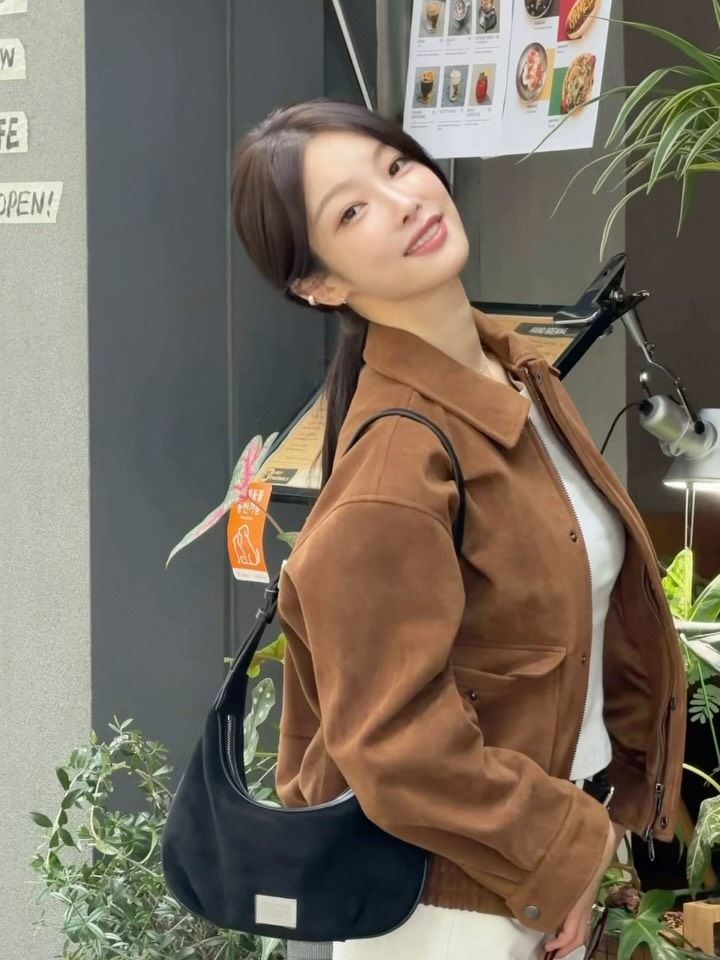
The blouson thrives in minimalist contexts where every piece earns its place. A Mango blouson in caramel paired with black trousers, a cream turtleneck, and white sneakers reads effortlessly editorial—no logo bags or statement jewelry needed. Alternatively, layer a chocolate-brown blouson over a maxi skirt and kitten heels for an office-siren moment that feels contemporary rather than costume-y.

How do you avoid dated styling with a 2026 blouson jacket?
The most common blouson missteps stem from pairing tailored silhouettes with oversaturated '90s or Y2K references that muddy the narrative.
Skip baggy denim: Wide-leg, low-rise, or heavily distressed jeans contradict a blouson's refined waist-definition. Lean into tailored or straight-leg cuts instead.
Avoid oversized everything: An oversized blouson plus oversized trousers plus oversized sweater reads costume, not curated. Let the jacket's fit do the work.
Ditch chunky sneaker culture: Platform trainers, chunky outdoor boots, and logger silhouettes cheapen a blouson's editorial value. Choose pointed-toe or minimalist sneakers.
Don't layer visible logos: Wearing branded tees, visible brand scarves, or logomania under a designer blouson dilutes its quiet-luxury positioning.
Resist matchy-matchy: Matching your blouson's color to your trousers and shoes reads costume; instead, create tonal depth (chocolate blouson, cream knit, black trousers, caramel loafers).
"Treat your blouson like a luxury handbag—the styling should be so subtle that the focus lands on the piece itself, not the outfit algorithm around it."
Fall 2026 blouson styling leans heavily into the quiet luxury ethos: single-texture fabrics, tonal palettes, and an absence of visual clutter. A blouson paired with a silk slip dress, opaque tights, and ballet flats—all in shades of charcoal and cream—exemplifies the restraint that separates contemporary cool from archive nostalgia. The jacket itself becomes the statement; everything else recedes into intentional neutrality.

In my years covering fall outerwear, the blouson shift feels inevitable
I have spent years watching silhouettes cycle through seasons, and the blouson's ascendance in fall 2026 marks a genuine departure from the bomber saturation that defined 2019–2023. The shift isn't nostalgic—it's evolutionary. Where bombers leaned into irony and logomania, blousons embrace precision and restraint, values that resonate with readers fatigued by trend-chasing. I watched a Lemaire blouson in butter-caramel sell out within 48 hours at Dover Street Market, priced at $1,495, because its waist construction and silk lining made it feel like the jacket equivalent of an investment-grade handbag.
What strikes me most is how the blouson democratizes across price points. A $119.99 Mango blouson in sage green, styled with black trousers and white sneakers, can read just as editorial as its luxury counterpart if proportions are respected. The difference isn't always visible in a still photo—it's in the hand-feel of the fabric, the evenness of seaming, and the weight distribution. But for fall 2026, that accessibility matters. It signals that quiet luxury and tailored restraint aren't gatekept behind four-figure price tags.
The blouson era will outlast the bomber because it evolves. Where bombers locked into a rigid silhouette, blousons accommodate sleeve variations, collar treatments, and fabrication experiments. That flexibility is why I'm betting the blouson dominates through 2026 and beyond—it's not a trend, it's an infrastructure.
BestStyle's guide to blouson jackets
BestStyle's editorial team has tracked the blouson resurgence since early 2024, when luxury houses like Lemaire and Holzweiler began repositioning the silhouette as a contemporary alternative to oversaturated bombers. Our coverage spans fabric education, price-point comparisons, and real-world styling breakdowns—because understanding why a blouson feels expensive matters as much as knowing where to buy one. We've tested blousons across every price tier, from fast-fashion iterations ($100–$200) to investment-grade pieces ($800–$1,500), to provide readers with actionable intel on construction quality, fit consistency, and longevity. Visit BestStyle for our full outerwear taxonomy and seasonal styling guides.
Whether you're seeking a quiet luxury fall 2026 guide or a breakdown of tailored silhouettes for contemporary workwear, our blouson coverage connects fabrication literacy to styling discipline. We believe outerwear should be understood—not just consumed—which is why we pair visual inspiration with technical detail. The blouson's rise signals a moment where precision and restraint matter again, and BestStyle is here to help you navigate that shift with confidence.

FAQ
What is the difference between a blouson and a bomber jacket?
Blouson jackets feature tailored waist cinching, premium fabrication, and refined seaming; bombers prioritize bulk, relaxed silhouettes, and archive-heavy aesthetics. Blousons read tailored and editorial; bombers feel casual and retro.
How much should I spend on a blouson jacket in 2026?
Accessible blousons from Mango, & Other Stories, and H&M start at $100–$200 and can read editorial if proportions are precise. Investment-grade options from Lemaire, Holzweiler, and Ganni range $600–$1,500 and offer superior fabric weight and seaming longevity.
What fabrics make a blouson feel expensive?
Italian virgin wool, silk-blend twills, and technical nylon blends signal quality and durability. Polyester blousons, regardless of fit, typically read budget; natural fiber blends feel refined even at mid-tier price points.
Can I wear a blouson jacket year-round?
Lighter linen-blend and cotton blousons work for spring and summer; heavier wool and silk-blend versions are optimized for fall and winter. Transitional technical nylons adapt across seasons depending on base-layer thickness.
What shoes pair best with a blouson jacket?
Pointed-toe loafers, ballet flats, knee-high boots, and minimalist sneakers in tonal shades preserve the blouson's tailored aesthetic. Avoid chunky platform sneakers, outdoor boots, and heavy-soled shoes that compete for visual weight.