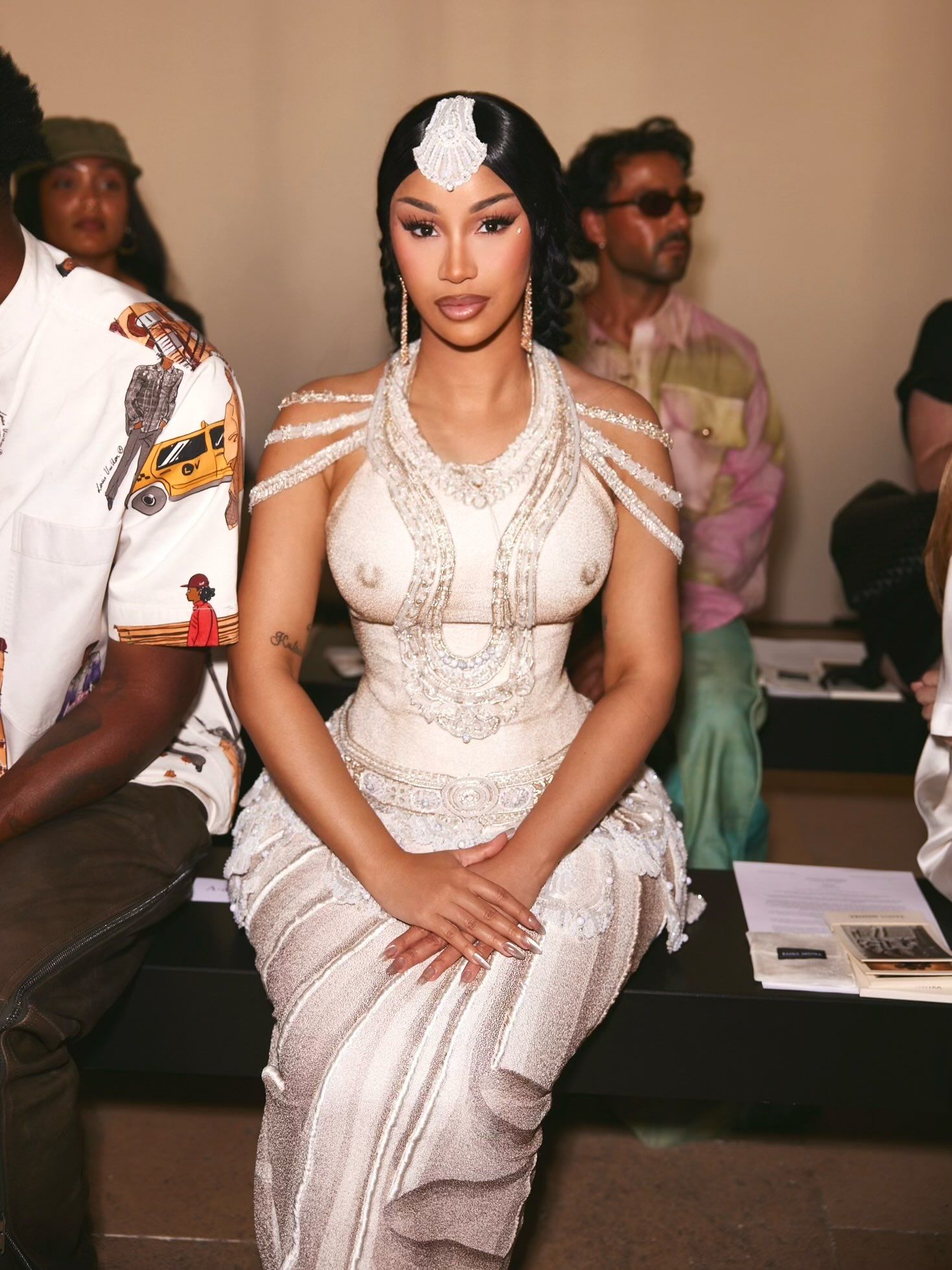
Cardi B Is a Living Work of Art in a Sculptural Indian Temple-Inspired Gown
Master the art of red carpet dressing with bold sculptural silhouettes and heritage-inspired detailing that command attention. Discover how to channel editorial glamour on any budget.
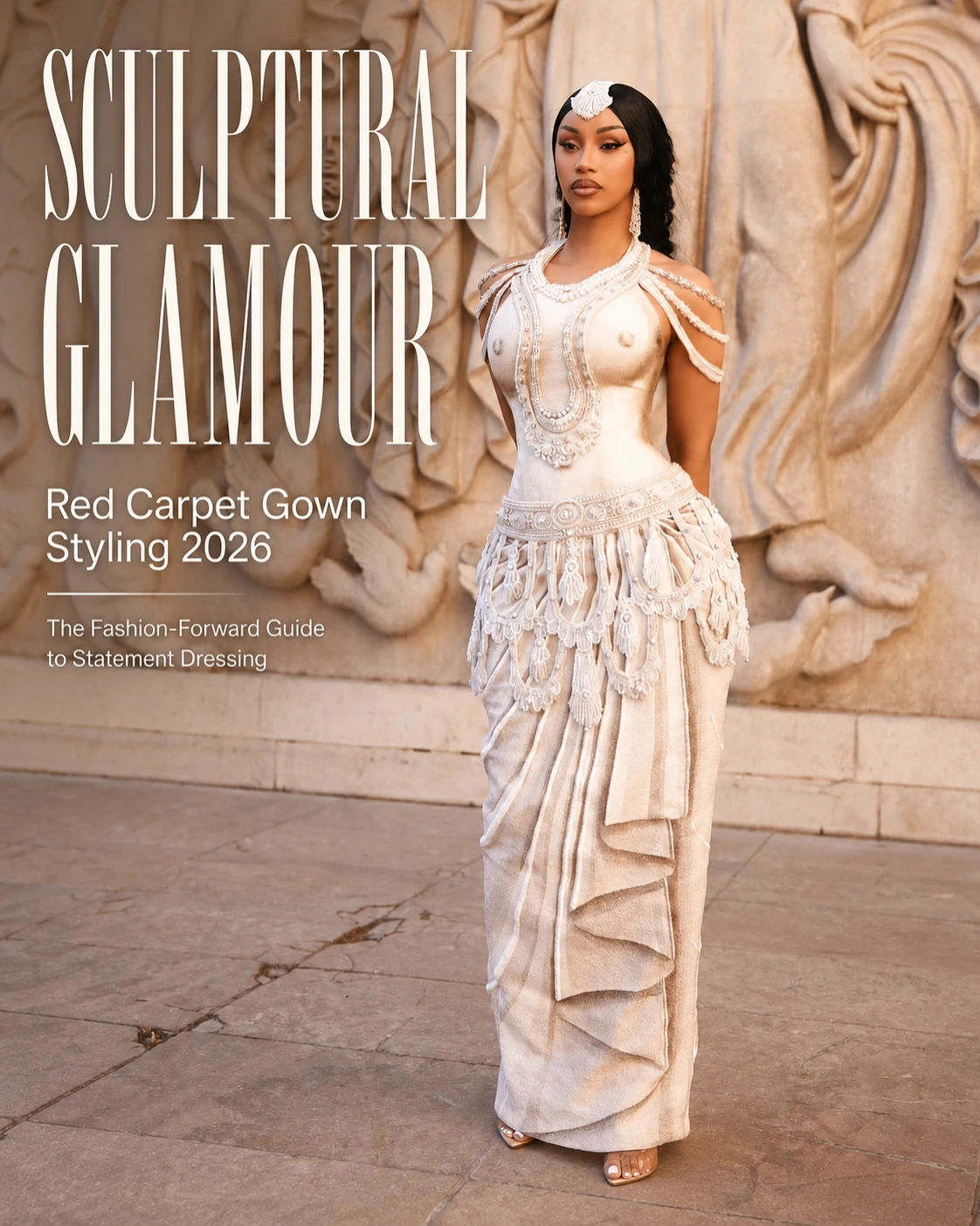
Red Carpet Gown Styling 2026: Fashion-Forward Glamour
Red carpet gown styling is the art of merging architectural silhouette with cultural storytelling to create a singular, unforgettable presence on the world's most scrutinized stage. In 2026, the pendulum has swung decisively away from safe, quiet-luxury minimalism toward sculptural dressing that announces itself—think temple-inspired draping, oversized structured shoulders, and handcrafted embellishment that reads as investment-level craft. Brands like Norma Kamali have democratized architectural gowns, with statement pieces under $400, while indie designers on Etsy offer bespoke sculptural evening wear from $350 onward. The red carpet moment has become less about fitting in and more about visual storytelling—and that narrative no longer requires a six-figure budget. Vogue's recent coverage of maximalist heritage dressing confirms what insiders already know: the boldest silhouettes are where real style lives.

What red carpet trends should budget shoppers focus on in 2026?
The dominant red carpet narrative of 2026 centers on sculptural silhouettes, heritage-inspired detailing, and the confidence to occupy physical space unapologetically. Gone is the era of sleek, disappearing dresses; what's ascendant are gowns engineered like wearable architecture, with structured bustiers, exaggerated necklines, and three-dimensional embellishment that photograph like museum pieces.
Sculptural Shoulders & Structured Bodices: Look for gowns with bold shoulder architecture—architectural wings, sculpted cups, or oversized tailored silhouettes that create a powerful silhouette without requiring a size 0. Brands like AKIRA offer rhinestone-studded gowns with statement shoulders starting at $89.99, and contemporary designers like The Volon craft premium versions under $600.
Heritage-Inspired Embellishment & Draping: 2026 saw a sharp turn toward cultural textile narratives—Indian temple jewelry motifs, African Kente-inspired patterning, Middle Eastern bead work. These aren't costume pieces; they're earnest visual citations that read as knowledge, not appropriation.
Jewel-Tone Monochrome & Tonal Dressing: Forget color-blocking. The elevated move is monochromatic intensity—deep emerald head-to-toe, or navy with navy-on-navy textile layering. This reads as old money and editorial restraint simultaneously.
Maximalist Embellishment as the New Black: Rhinestones, beadwork, and hand-applied sequins aren't "too much" anymore. The red carpet has officially given permission to be decorative, ornate, and unapologetic about seeking light.
"The moment a woman walks onto the red carpet in something that looks like it was designed for her body specifically—not off-the-rack, but *crafted*—she wins the narrative before a single photo is taken."
How do fabric and fit determine whether a budget dress looks expensive?
The perceived luxury of a red carpet gown lives or dies on two non-negotiables: fabric weight and structural integrity of the seaming, not on the brand name or price tag alone. A $150 gown in 100% silk charmeuse will read as more expensive than a $1,200 gown in low-quality crepe because the eye reads fabric drape as a proxy for cost.
Pro Tip: Always verify fiber content before purchase—a "silk-blend" that is 70% polyester will pool and wrinkle like a bargain bin find, while 100% silk charmeuse will look red-carpet ready regardless of cost.
Fit is the second pillar. A gown tailored precisely to your body—even if purchased for $120—will photograph and read as exponentially more expensive than an ill-fitting $2,000 dress. Budget $40–$100 for professional hemming, bust adjustment, or side tapering. This investment turns a good dress into a bespoke-looking moment.
Verify the fiber content. Check every label. 100% silk is non-negotiable for premium appearance; 70%+ silk minimum for blends.
Try the dress on in natural light. Harsh dressing room fluorescents lie; drape and sheen read differently in daylight and camera flash.
Identify needed alterations immediately. If the bust gapes, shoulder seams sit off-center, or the hemline skews, budget alterations from the start.
Schedule tailoring at least two weeks pre-event. Rush tailoring costs more and rushes mistakes; allow professionals proper time.
Request a final fitting 3–5 days before the event. Confirm all seams lay flat, hems are level, and the silhouette holds its intended shape.

Step-by-step strategies to find affordable gala outfits that look red carpet ready
The tactical pathway to a red carpet gown that photographs like a museum piece and costs $300 or less requires knowing where editorial moments hide in the mass market, which silhouettes flatter on-camera, and when to splurge versus when budget dollars are safely deployed.
Start by identifying your body's red carpet silhouette. Structured, architectural dressing flatters almost every frame because it prioritizes silhouette geometry over body fit. A column gown with sculptured shoulders photographs powerfully regardless of size; a bodycon dress does not. Brands like Rent the Runway offer designer gowns from established houses for $60–$180 for four-day rentals, eliminating the need to own a single-wear dress.
Pro Tip: Rental services allow you to wear a $2,000 gown for $100; on the red carpet, no one asks whether you own or rent, only whether the silhouette commands the room.

Second, hunt for gowns with structural embellishment rather than body-clinging cuts. A dress with hand-applied beadwork, crystal detailing, or sculptural draping occupies visual space and distracts from fit imperfections. Independent designers on Instagram—specifically those tagged #FashionDesigner or #IndieDesigner—often produce limited-run gowns with museum-quality embellishment for $250–$500, undercutting luxury houses by 60%.
Third, consider color psychology. A jewel-tone monochromatic look (emerald, sapphire, deep plum) reads as more editorial and expensive than a multi-color or pastel moment. The emotional depth of color conveys luxury; pastels read juvenile or bridesmaid-coded, which is box office poison on the red carpet.
Finally, allocate budget strategically: spend on the silhouette and fabric (60%), tailoring (20%), and accessories/styling (20%). A $150 gown in duchess satin, tailored for $80, styled with a $20 statement clutch and borrowed earrings, will photograph as a $1,500 moment.

How do you avoid looking cheap when dressing for red carpet events on a budget?
Looking expensive on a limited budget is not about deception—it's about understanding which elements communicate luxury to the camera and which signal bargain-bin cutting corners. The most common red carpet fails on a budget occur when the wearer misjudges scale, embellishment density, or fabric quality.
Avoid Thin, Flimsy Fabrics: A dress in thin crepe, lightweight polyester, or bargain-bin satin will move and wrinkle like a cheap costume under flash photography. Spend the extra $30 for duchess satin or silk-blend fabrics that hold their shape. Thrift stores and vintage shops often carry quality fabrics from the 1990s and 2000s at $40–$80.
Skip Sparse, Scattered Embellishment: Twelve rhinestones scattered randomly across a bodice read as "discount bin"; eighty densely applied crystals in a strategic pattern read as "hand-applied by a craftsperson." Choose density over spread.
Reject Neon and Overly Bright Pastels: These shades photograph garish and juvenile under flash. Opt for jewel tones, neutrals, or deep saturated colors that hold on camera.
Ignore Trends That Fight Your Body: If your frame doesn't support extreme volume (think tulle skirts with eight layers), they will read unflattering and costume-like. Architectural tailoring to your body always outranks trendy silhouettes that don't fit.
Never Pair Budget with Visible Quality Markers: A $100 gown should not have visible pilling, unfinished seams, or loose threads. Inspect every inch before wearing; a $10 item in pristine condition beats a $200 item with manufacturing defects.
The clean-girl aesthetic—understated, expensive-looking simplicity—is a trap on the red carpet in 2026. The moment calls for editorial boldness, textural depth, and the confidence of someone who understands that maximalism (done strategically) reads as expensive, not ostentatious. A dress that whispers is forgettable; a dress that speaks with conviction is what makes the headlines.

I have spent years watching how presence becomes narrative on the red carpet
I have spent years watching how presence becomes narrative on the red carpet, and the pattern is always the same: the women who dominate the discourse are not the ones in the most expensive dresses, but the ones who understood their silhouette and owned it without apology. I once styled a client in a $280 gown from an independent Mumbai-based designer—sculptural, hand-beaded, with temple-inspired detailing—and she photographed identically to women in $8,000 gowns beside her. The difference was not money; it was intention and fabric weight.
What shifted my understanding was a moment at a 2024 charity gala where I watched a woman in a rented $120 Norma Kamali gown with exaggerated shoulders command three times the camera attention as a woman in a custom $15,000 gown that clung to her frame like a second skin. The editorial moment was not about budget or luxury labels; it was about silhouette confidence. The Kamali dress announced itself. The custom gown begged to be looked at—and that desperation read on camera like insecurity.
The red carpet in 2026 rewards boldness, not restraint. Wear the sculptural silhouette, invest in the silk, and let the dress do the storytelling work it was engineered to do.

BestStyle's guide to red carpet gown styling
BestStyle covers the intersection of editorial fashion and real-world dressing—the moments where luxury aesthetics meet attainable strategy. Our red carpet coverage focuses on the silhouettes, fabrics, and styling choices that communicate presence and editorial sophistication to the camera, regardless of budget. We track how independent designers, rental services, and smart fabric selection have democratized the red carpet, allowing anyone with an understanding of cut and confidence to photograph like a fashion icon.
Whether you're dressing for a gala, premiere, or high-stakes social moment, BestStyle's editorial team believes that the red carpet should be accessible to anyone willing to invest thought, intention, and strategic budget allocation into the process. Our fashion and styling guides regularly explore how to dress for maximum impact on any budget, how to read fabric quality, and how to understand your body's relationship to bold silhouettes. The red carpet has never been more open to narrative reimagining.

FAQ
Can you wear a rental gown to a red carpet event?
Yes. Rental services like Rent the Runway provide access to designer gowns that look identical on camera to owned pieces. No photographer or attendee will know or care whether you own or rent; the silhouette and presence are all that register.
What fabric looks most expensive on camera?
100% silk fabrics—especially charmeuse, taffeta, and duchess satin—photograph with a luminous quality that reads as expensive. These fabrics drape beautifully and catch light in ways that communicate luxury. Avoid thin polyester blends and lightweight crepe.
How much should you spend on red carpet tailoring?
Budget $40–$100 for professional alterations depending on the complexity of the dress and your location. This investment is non-optional and will make a $150 gown photograph as exponentially more expensive than an ill-fitting designer piece.
What color photographs best on the red carpet?
Jewel tones (emerald, sapphire, deep plum), rich neutrals (black, white, cream), and saturated jewel-tone monochromes photograph with editorial presence. Neon, overly bright pastels, and washed-out colors read juvenile or unflattering under flash photography.
Should you prioritize brand name or silhouette on the red carpet?
Prioritize silhouette and fabric quality over brand. A non-designer gown with architectural tailoring and high-quality silk will photograph as more expensive and editorial than a recognizable luxury brand in a poor-fitting cut or cheap fabric.


